

Fruit Tree Pre-Winter Care and Residential Pruning Tips | NH Seacoast
Introduction to Fruit Tree Pre-Winter Care
Fruit trees are both genuinely beautiful and productive, adding seasonal color along with fresh harvests to Seacoast landscapes throughout the year. As winter approaches, these trees need a different kind of attention than they get during the growing season, attention focused on staying healthy through cold winds, fluctuating temperatures, and the pest pressures that build as the weather turns. Pre-winter care is less about reshaping the tree and more genuinely about protecting it through the months ahead. What you do in October versus what you save for late winter pruning can make the real difference between a thriving, fruit-filled season the following year and one marked by setbacks that trace directly back to fall timing mistakes.
Why Not to Prune Heavily in October
Heavy pruning in October is genuinely one of the most common mistakes homeowners make with fruit trees here on the Seacoast. Structural or shaping cuts made at this point in the year stimulate soft, tender new shoots that simply cannot harden off before frost arrives. Once winter sets in for good, these vulnerable shoots are the first part of the tree to die back, leaving the whole plant stressed and noticeably more vulnerable to disease moving in through the resulting wounds. Instead of giving the tree any kind of head start on the next season, fall pruning actually weakens it heading into the hardest part of the year. The right time for any major structural work is late winter or very early spring instead, when the tree is fully dormant and can respond to those cuts with strong, healthy growth right as the new season begins.
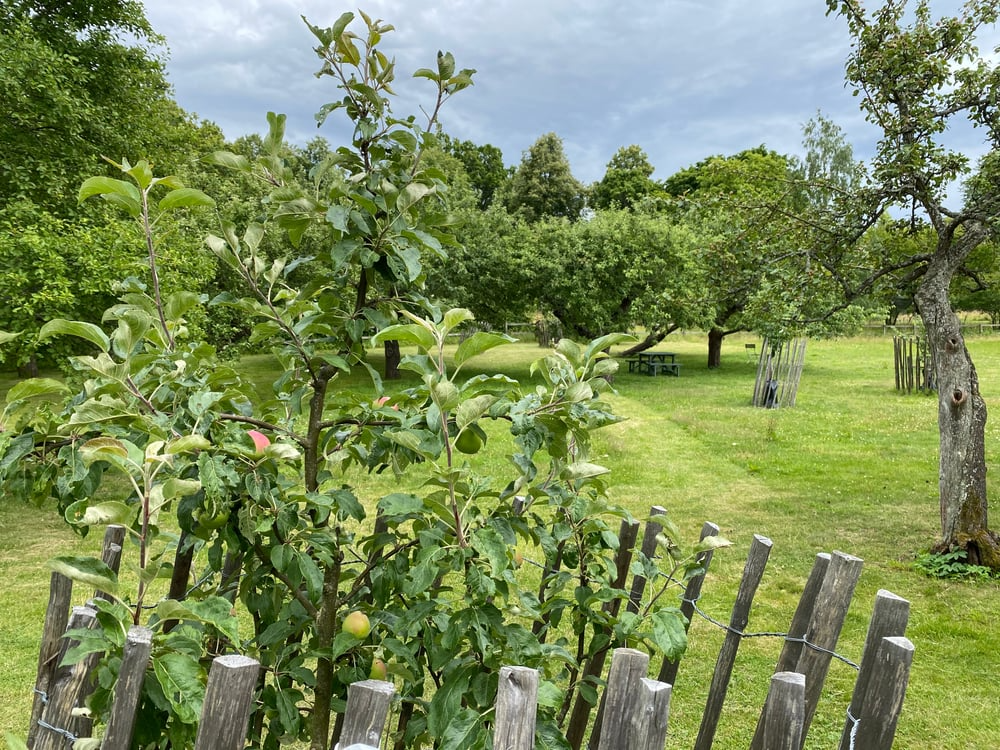
October Priorities for Fruit Trees
October isn't the time for major pruning, but it's genuinely the perfect season for the kind of cleanup that protects trees through the winter ahead. Start by removing any mummies, the shriveled fruits that often cling stubbornly to branches well after the rest of the harvest is done, since they frequently harbor pests and fungal spores that would otherwise overwinter right there on the tree. Cutting out dead or diseased wood is also genuinely safe to do now, and doing so before winter sets in helps prevent problems like cankers and rot from spreading further into healthy tissue over the dormant months. Finally, take the time to rake and properly dispose of fallen leaves and dropped fruit from beneath your trees. On the Seacoast, where apple scab and other fungal diseases thrive in our damp coastal conditions, this particular step matters more than homeowners often realize, since it's what stops infections already present from carrying over and reestablishing themselves the following spring.
Protective Care Before Winter
As fall winds down toward its end, focus shifts to giving fruit trees the genuine protection they need to withstand a tough Seacoast winter ahead. Spread two to three inches of mulch around the base of each tree to insulate the roots and conserve moisture in our typically sandy soils, but keep that mulch a few inches back from direct contact with the trunk to prevent rot from developing where bark meets damp material. If autumn has run particularly dry, give trees a deep, thorough watering before the ground freezes solid, so the root system goes into dormancy genuinely well hydrated rather than already stressed going into the cold months. Finally, wrap trunks with breathable tree guards to prevent sunscald that results from freeze-thaw cycles, and to protect against gnawing rodents that become noticeably more active once winter sets in and other food sources disappear.
Seacoast-Specific Considerations
Fruit trees on the New Hampshire Seacoast face a set of unique pressures that genuinely require extra care compared to trees grown further inland. Salt spray and coastal winds can scorch both bark and developing buds, so young or particularly exposed trees benefit considerably from burlap screens that act as effective windbreaks through the worst of winter. Heavy, wet snow presents another real challenge here, often snapping weak or crossing limbs under its sheer weight. Save any corrective pruning for late winter instead, when the tree is fully dormant and far better able to recover from those necessary cuts. Sandy soils common throughout our region also dry out surprisingly quickly even during the cold season, so on days when the ground has thawed somewhat, occasional winter watering can genuinely help prevent root stress and keep trees resilient all the way through to spring.
Common Mistakes to Avoid
One of the biggest errors homeowners make is heavy pruning in October, which removes genuinely valuable fruiting wood and weakens the tree right before it needs to face winter at its strongest. Another common mistake is leaving mummified fruit or diseased branches in place through the cold months, allowing pests and pathogens to overwinter undisturbed and return considerably stronger the following spring. Mulching too close to the trunk is also a frequent error we see, since it traps moisture against the bark, encourages rot to take hold, and genuinely invites rodents to chew on that bark during the leanest part of winter when other food is scarce.
Conclusion
October fruit tree care is fundamentally about cleaning, protecting, and preparing the tree, not reshaping it. Save structural and shaping cuts for late winter or very early spring instead, when trees are fully dormant and genuinely ready to respond with healthy new growth once the season turns. With the right timing applied consistently, you set your trees up for a strong season of blossoms and fruit the following year.
For professional shrub pruning and expert pruning care throughout the Seacoast of New Hampshire and Southern Maine, contact us at 📧info@expertpruning.com
or call 📞 (603) 999-7470to schedule your consultation.
