

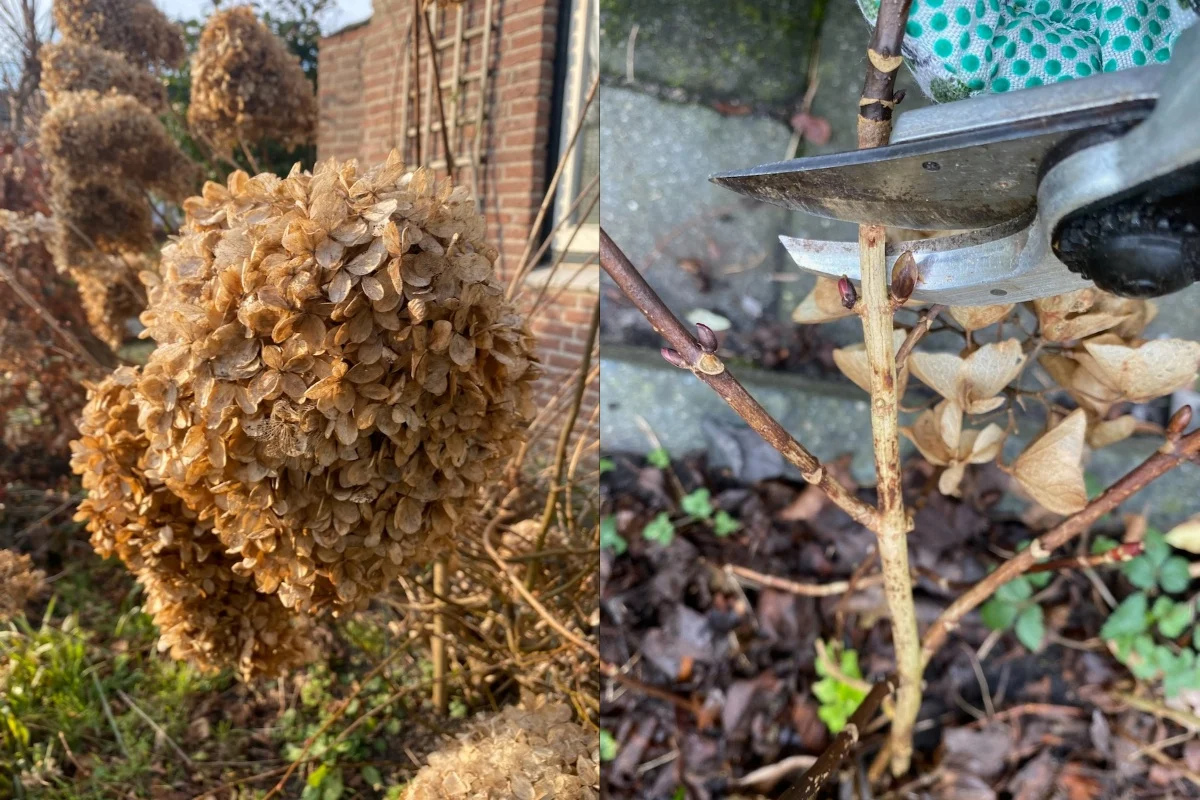
Pruning Hydrangeas: Old Wood vs. New Wood Varieties
Not all hydrangeas should be pruned the same way. Understanding whether your variety blooms on old wood or new wood is the key to enjoying full, healthy flowers each season in Zone 6b. With proper timing and expert care, hydrangeas in Portsmouth, Rye, Exeter, and North Hampton can thrive and bloom beautifully year after year.
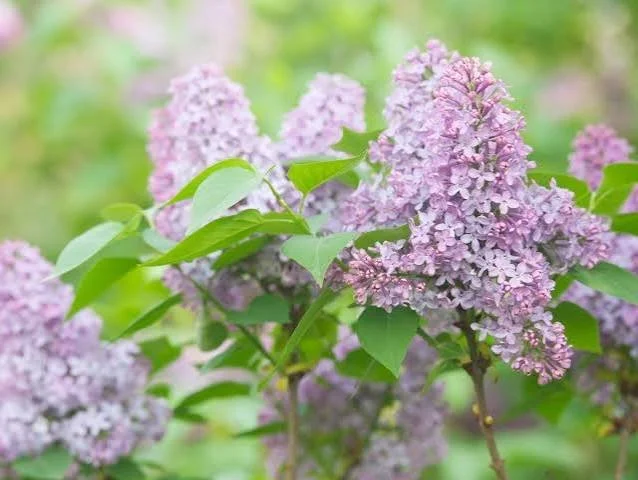
How to Refresh Overgrown Lilacs in Early Fall | Durham, NH
Overgrown lilacs can be brought back to health with thoughtful pruning and a little patience. Early fall is the perfect time to assess, thin, and prepare these beloved shrubs for the seasons ahead. Here is how Durham homeowners can restore their lilacs for years of fragrant spring blooms.
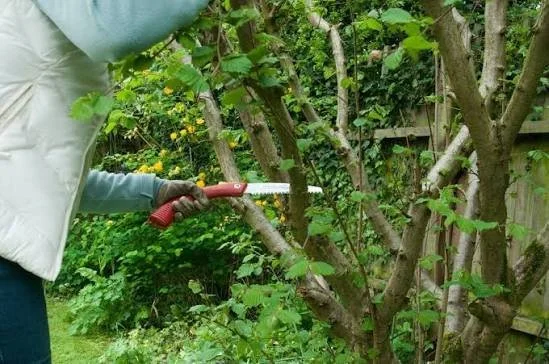
Pruning Safety Tips for Taller Shrubs and Small Trees
Pruning taller shrubs and small ornamental trees is where most homeowner injuries happen, and nearly always for preventable reasons. This guide covers overhead hazards, ladder placement on soft coastal soil, matching tools to branch size, and the three cut method that protects both you and the tree.
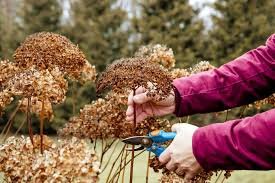
How to Shape Shrubs Before Dormancy Begins
There's a narrow window each fall when shaping a shrub helps rather than harms it. Here's how to tell which Portsmouth shrubs are ready for a light trim now, which need to wait, and how to avoid the over-pruning pattern that invites disease.
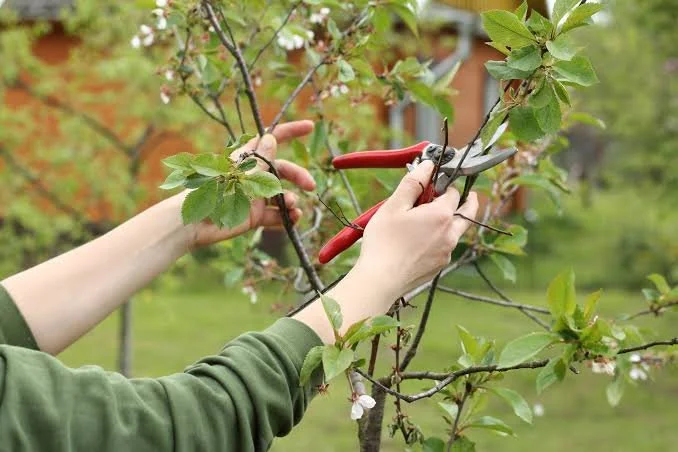
Pruning Hydrangeas: Preparing for Next Year’s Blooms
Prune a hydrangea at the wrong time and you can lose an entire season of blooms. Here's how to tell which type you have, what's safe to trim this fall, and what to leave alone until your North Hampton garden wakes up next spring.

How to Prune Back Ornamental Grasses for Autumn
Ornamental grasses need a lighter touch than most fall pruning jobs. Here's exactly what Seacoast homeowners should groom now, what to save for late winter, and how to keep grasses healthy through a Rye, NH winter.
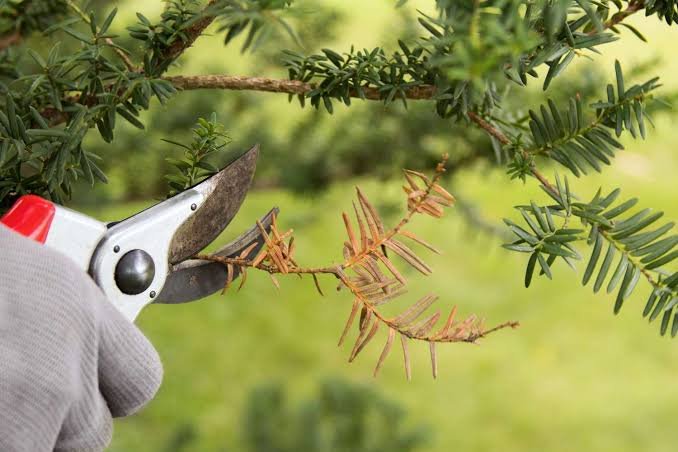
How to Revive Ornamental Trees With Midseason Pruning in Stratham
Midsummer is when a struggling ornamental tree often reveals its trouble, and it's also a fine time to help it recover. This Master Gardener's guide shows Stratham gardeners how to prune away dead and diseased wood, open the canopy for light and air, and know when to wait for winter. With a careful hand and the right timing, a tired tree can be well on its way back to health.
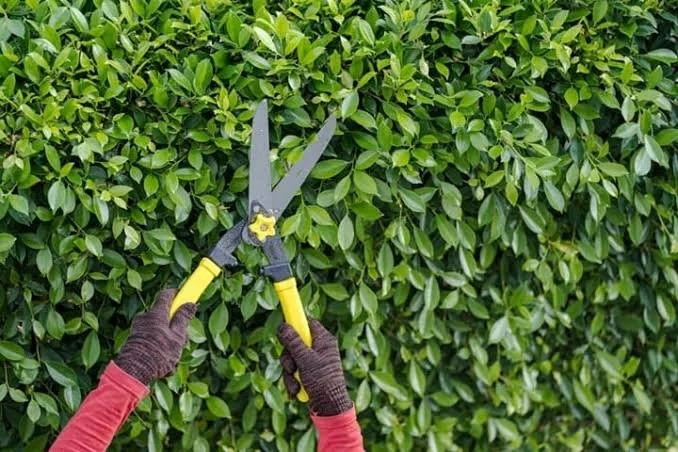
Managing Overgrown Hedges in August Heat in Hampton Falls
An overgrown hedge in the August heat calls for a careful hand, not a hard cutback. This Master Gardener's guide shows Hampton Falls gardeners how to shape hedges safely in summer, why timing matters in Zone 6b, and how to care for them afterward. With light shaping and the right technique, your hedges can stay full, healthy, and crisp right into fall.
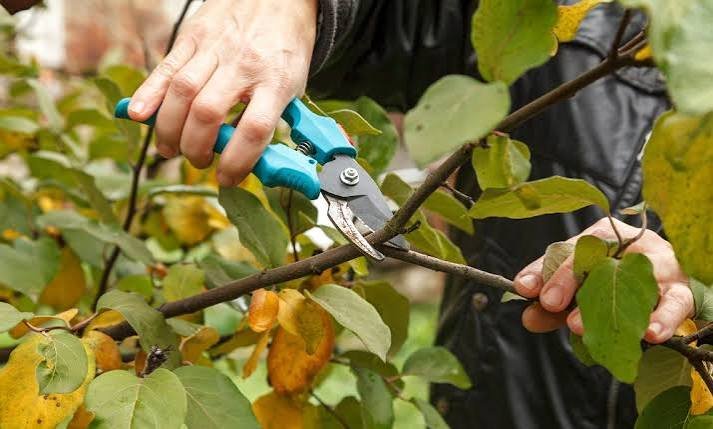
Pruning to Prevent Disease in the August Garden in Portsmouth
August's warm, humid weather makes it prime season for plant disease across the Seacoast, and your pruning tools can either spread trouble or stop it. This Master Gardener's guide shows Portsmouth gardeners which diseases to watch for, how to keep blades clean, and how thoughtful pruning improves airflow and plant health. With clean cuts and diligent cleanup, your Zone 6b garden can stay healthy through the season's turn.
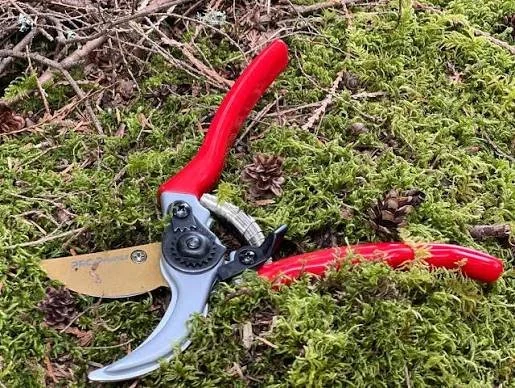
Top Tools for Late-Summer Pruning Jobs in Exeter
The right tool turns a frustrating pruning job into a satisfying one, and it protects your plants' health in the process. This Master Gardener's guide walks Exeter gardeners through the essential tools for late-summer work, from bypass pruners to saws, plus how to keep them clean and sharp. With the proper kit in hand, your Zone 6b garden will finish the season healthy and well-tended.
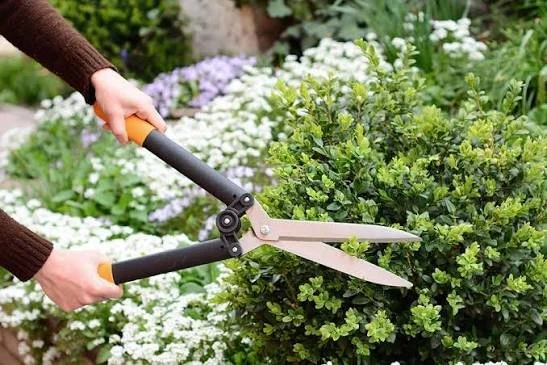
Hydrangeas, butterfly bush, and rose of Sharon carry the Seacoast garden through summer, but cutting them back at the wrong time can cost you next year's flowers. This Master Gardener's guide helps Exeter gardeners understand old versus new wood, master Zone 6b timing, and prune with confidence. Get the technique right, and your shrubs will reward you with fuller blooms for years to come.

How to Prune Spent Perennials Without Stressing Them in Rye
When summer blooms fade, how you cut back your perennials matters as much as when. This Master Gardener's guide walks Rye gardeners through gentle deadheading, smart timing in Zone 6b, and which plants to leave standing for winter interest and wildlife. A little thoughtful restraint now rewards you with healthier plants and a stronger spring display.
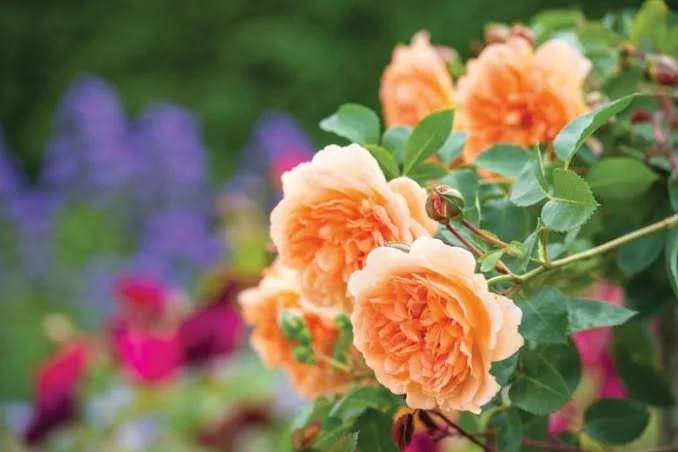
Pruning Roses for Late-Summer Blooms in Hampton
Late summer is the perfect time to coax one more glorious show from your roses before fall. This Master Gardener's guide walks Greenland gardeners through deadheading, shaping for airflow, and the right Zone 6b timing to encourage a healthy second bloom. With a gentle hand and a few well-placed cuts, your roses can finish the Seacoast summer at their very best.
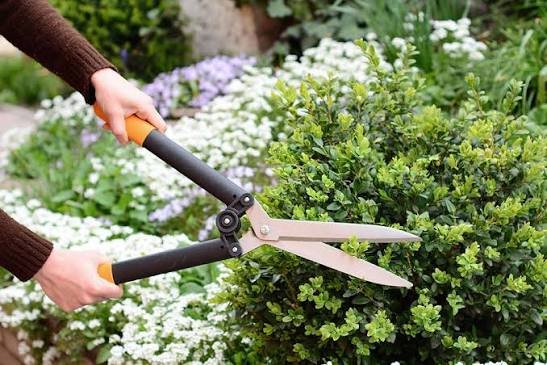
The Right Way to Cut Back Summer-Blooming Shrubs in Exeter
Hydrangeas, butterfly bush, and rose of Sharon carry the Seacoast garden through summer, but cutting them back at the wrong time can cost you next year's flowers. This Master Gardener's guide helps Exeter gardeners understand old versus new wood, master Zone 6b timing, and prune with confidence. Get the technique right, and your shrubs will reward you with fuller blooms for years to come.
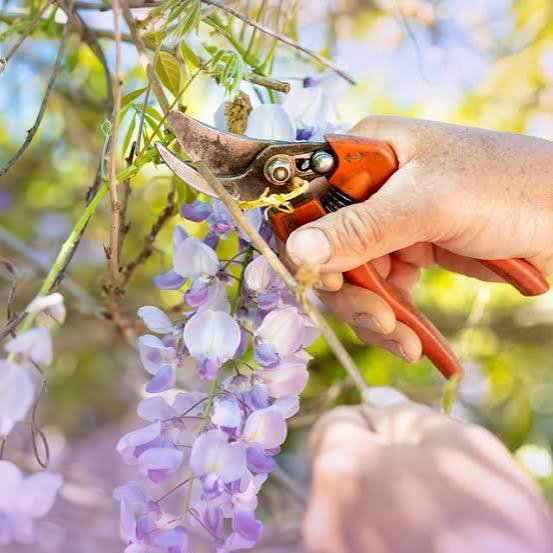
August Pruning Checklist in North Hampton: Preparing for Fall
August on the Seacoast marks the season's slow turn, and what you do now shapes your garden's health through fall and into spring. From deadheading and light shaping to ornamental tree care, weeding, and refreshing mulch, this Master Gardener's checklist covers the essential late-summer tasks for North Hampton gardens in Zone 6b. A little thoughtful attention this month rewards you with stronger structure, better blooms, and a landscape ready for whatever autumn brings.

How to Maintain Coastal Gardens in the Heat of July in Exeter, NH
By the time July settles in, Seacoast gardens are already feeling the strain of summer's peak. Gardens in Exeter face humidity, intense sun, and heat that can wilt even hardy plantings. Here's how deep watering, fresh mulch, and light seasonal pruning can help your beds, shrubs, and ornamental trees push through to fall in great shape.
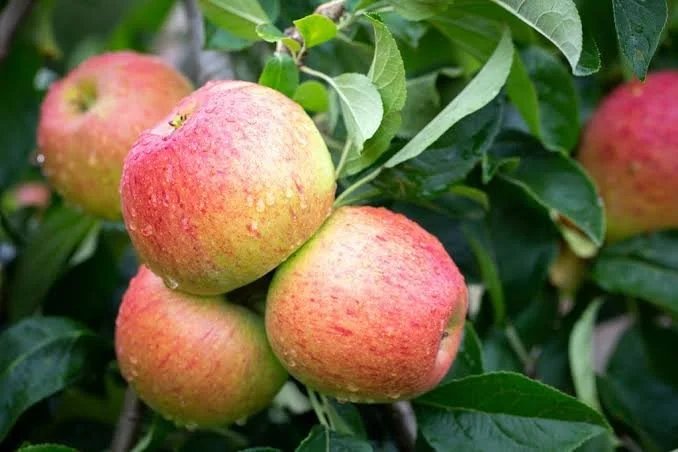
Best Practices for Summer Pruning of Fruit Trees in Rye, NH
July on the Seacoast brings a particular kind of heat, thick with humidity, salt air, and afternoon sun that can stress even well-established plantings. Coastal gardens in Portsmouth face challenges inland Zone 6b gardens simply don't deal with, from salt-laden breezes to fast-draining soils. Here's how to keep your beds, shrubs, and ornamental trees healthy and resilient through the hottest stretch of summer.
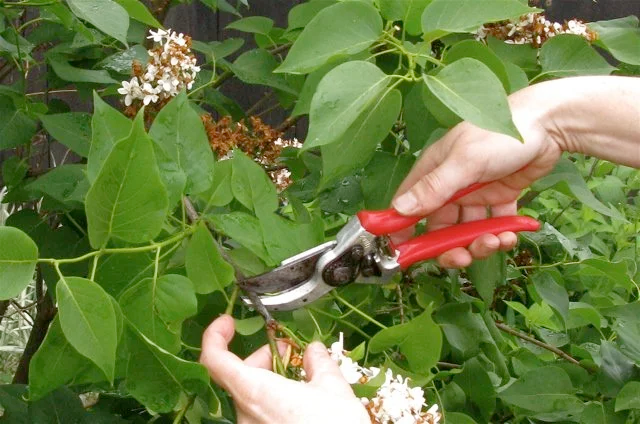
Pruning for Airflow: Reducing Disease in Humid Weather in Rye, NH
Humid coastal summers invite powdery mildew, leaf spot, and blight into dense gardens. Learn how strategic thinning cuts open your shrubs and trees to moving air, and why airflow is the most overlooked disease prevention tool in Rye landscapes.
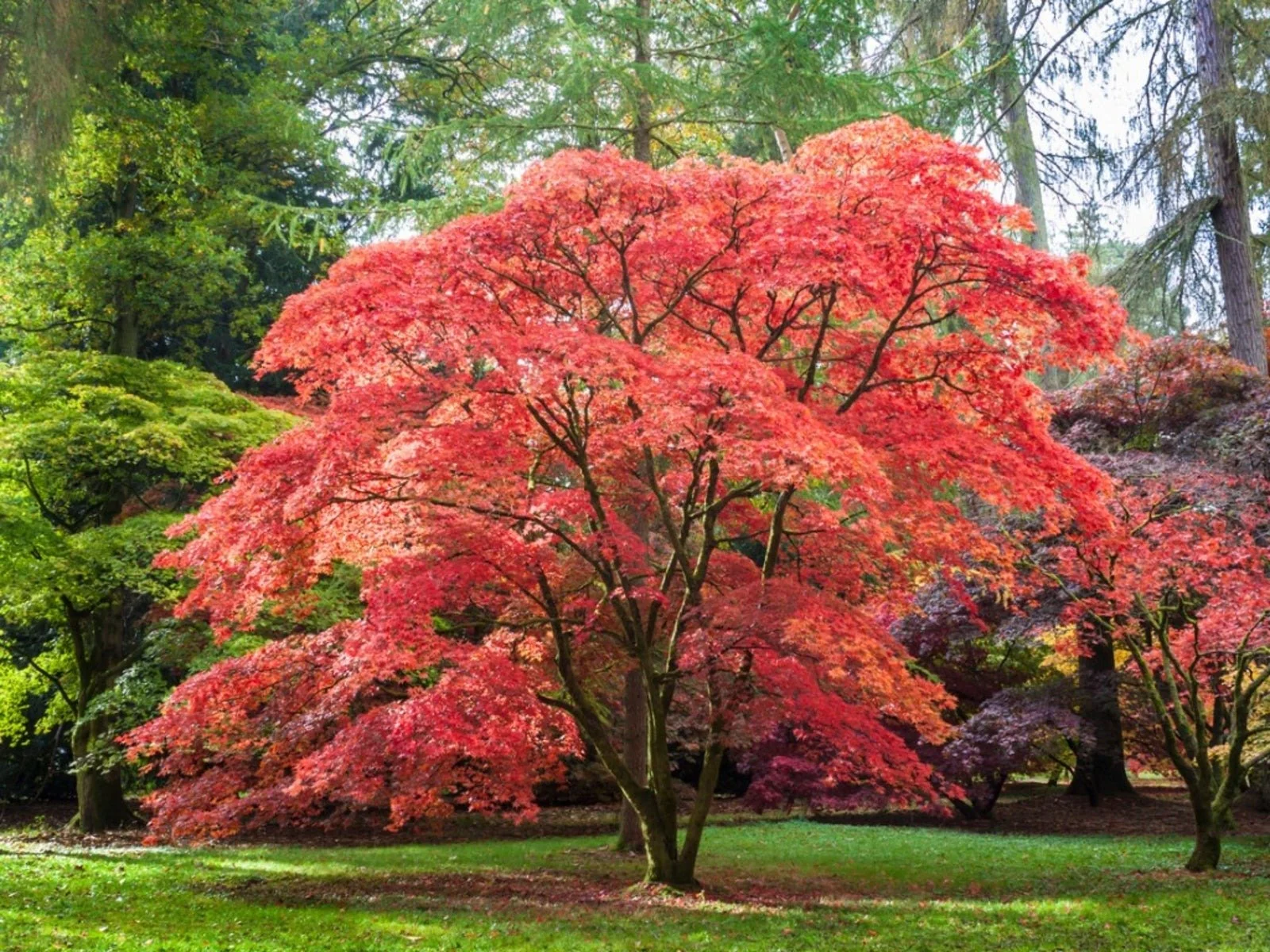
Shaping Ornamental Trees During Summer in Rye
Summer is a surprisingly good time to shape ornamental trees, when the full canopy shows you exactly what needs work. Learn which trees respond well, where to make the cuts, and how to keep Portsmouth landscapes looking graceful and healthy.
How to Handle Deadheading in July Gardens
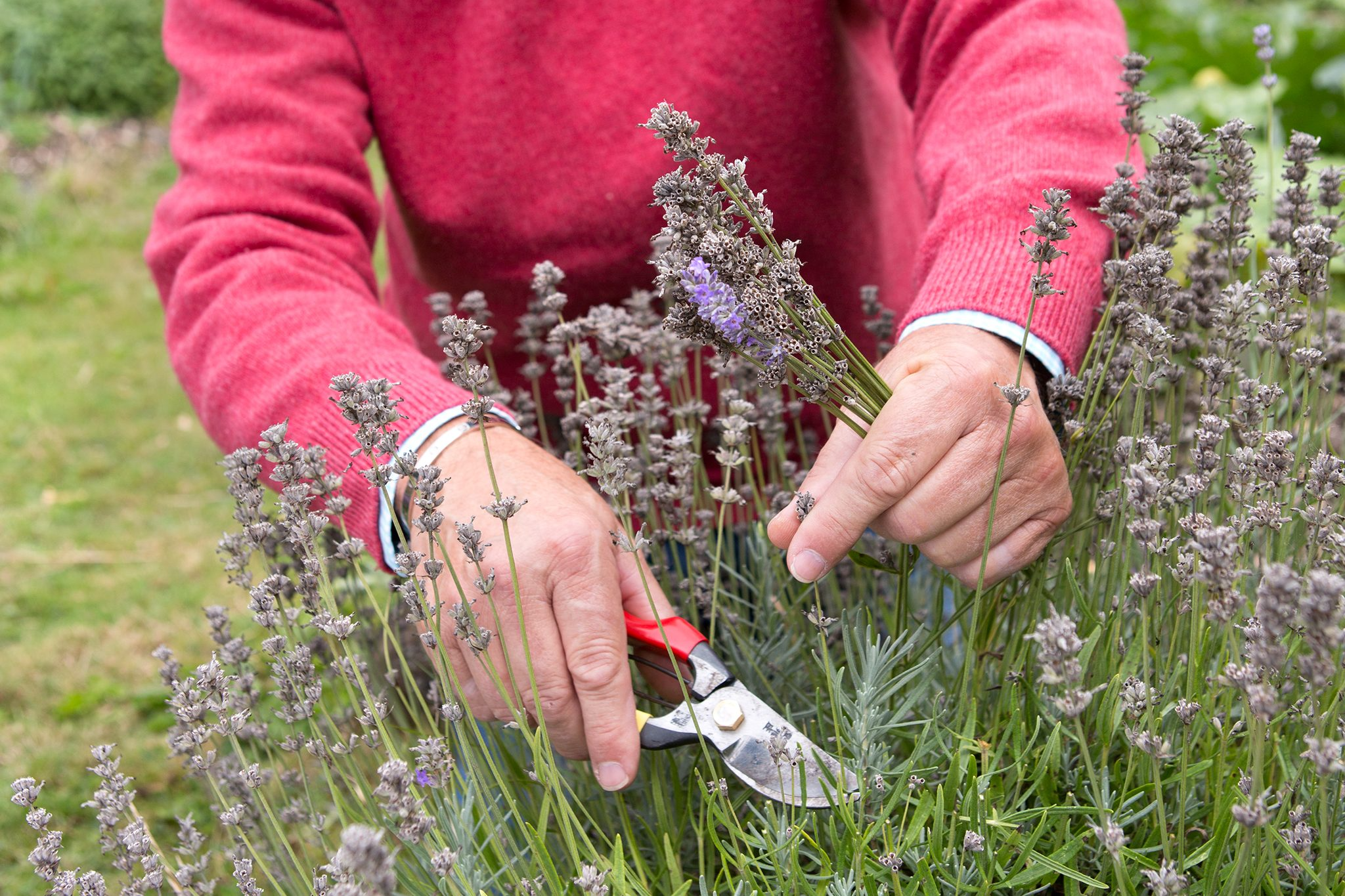
July is the month when a little deadheading goes a long way. Learn which flowers to snip, where to make the cut, and how this simple habit keeps Greenland gardens blooming strong through late summer.