

Identify Your Shrubs | Seacoast NH & So. Maine
Local Homeowners Gide to Common Zone 6b Shrubs
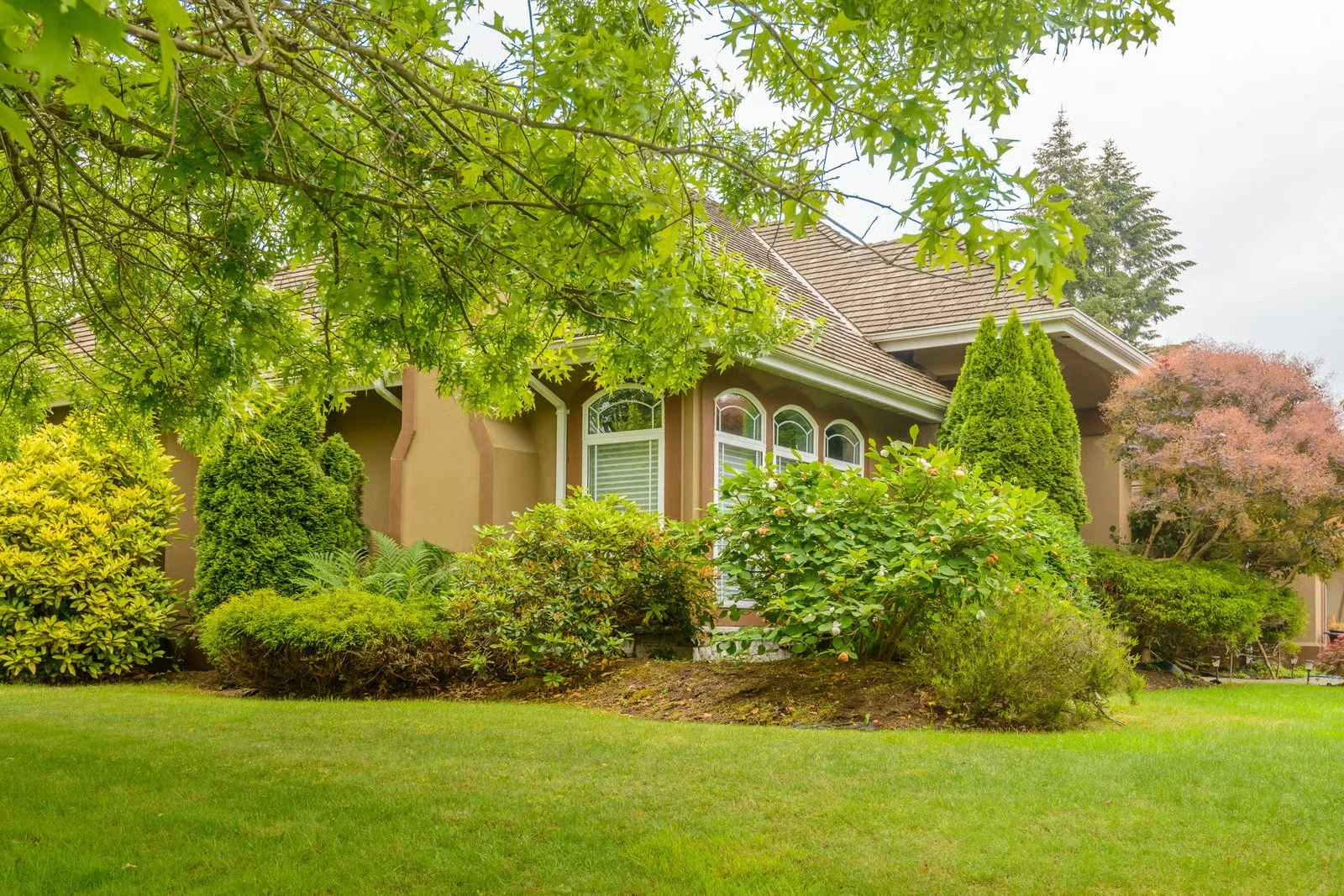
Shrubs form the backbone of many residential landscapes. They frame foundations, define property lines, soften walkways, and provide structure through all four seasons. Yet many homeowners aren’t entirely sure what varieties they have or how those plants are naturally meant to grow.
Understanding your shrubs is the first step toward caring for them properly. Correct identification prevents common mistakes such as cutting at the wrong season, removing developing flower buds, or reducing a shrub beyond its natural form.
Across Portsmouth, Exeter, and surrounding Seacoast communities, we regularly see a core group of shrubs thriving in Zone 6b coastal landscapes. At Expert Pruning, our plant-first approach begins with accurate identification, allowing us to match pruning timing and technique to each shrub’s biology. When care is guided by how a plant is designed to grow, the result is healthier structure, more reliable flowering, and a landscape that feels balanced and intentional year after year.
How to Identify Your Shrubs
Start with these key questions
Shrub identification begins with observing basic characteristics that narrow down possibilities. Most homeowners can identify their shrubs by answering a few simple questions about foliage, flowering, and growth habit. These observations point you to the right category and help determine appropriate care.
EVERGREEN SHRUB
What type of leaves?
Yew
Juniper
Holly
Euonymus
Mt. Laurel
Pieris
DECIDUOUS SHRUB
When does it bloom?
SPRING-FLOWERING
(blooms on old wood)
SUMMER-FLOWERING
(blooms on new wood)
🔍 Why Identification Matters for Pruning
Once you know what you have, you know when to prune it. Spring-flowering shrubs are pruned after bloom to preserve next year's flowers. Summer-flowering shrubs are pruned in late winter while dormant. Evergreens are pruned in late spring when new growth hardens.
Pruning at the wrong time removes flower buds, triggers excessive regrowth, or stresses plants during vulnerable periods. Correct identification eliminates guesswork and prevents years of poor flowering or weak growth.
Evergreen Shrubs
Shrubs that keep their foliage year-round
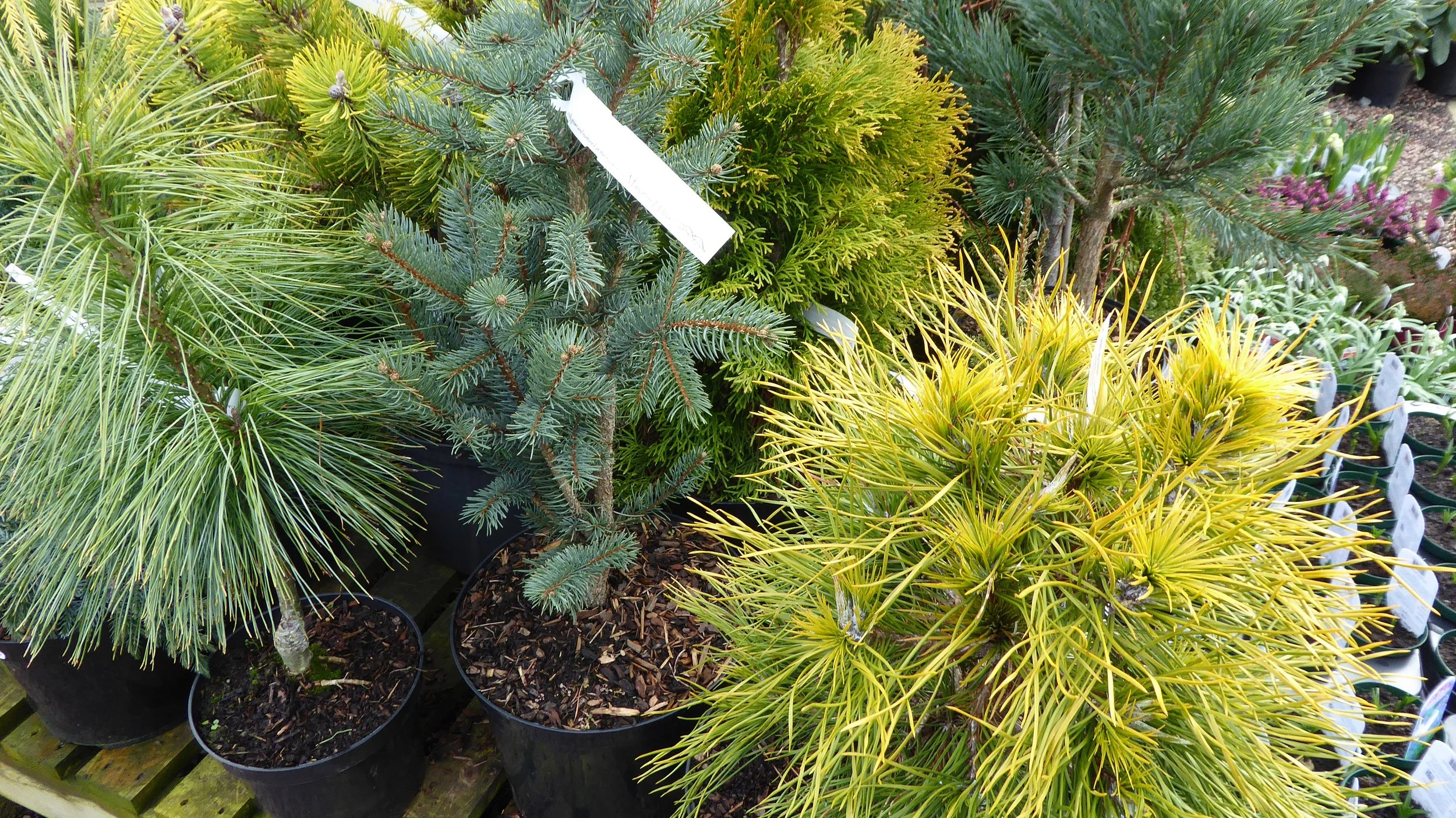
Evergreen shrubs retain foliage through winter, providing year-round structure and privacy screening. In Portsmouth and Seacoast NH, evergreens range from broadleaf types like rhododendron and boxwood to needled varieties like yew and juniper. These shrubs benefit from late spring pruning when new growth hardens, allowing a full growing season for recovery before winter.
Needled & Scale-Leaf Evergreens
Arborvitae (Thuja) – Tall, columnar or globe forms, scale-like foliage, common for screening. Varieties include emerald green, techny, and globe arborvitae.
Yew (Taxus) – Dark green needles, red berries, tolerates shade and shearing. Varieties include Hicks yew, spreading yew, and Japanese yew.
Juniper (Juniperus) – Low-growing or upright, blue-green to dark green foliage, drought-tolerant. Varieties include blue rug juniper, Sea Green juniper, and Skyrocket juniper.
False Cypress (Chamaecyparis) – Soft, feathery foliage, various colors including gold and blue-green. Varieties include Hinoki cypress and threadleaf cypress.
Broadleaf Evergreens
Boxwood (Buxus) – Small, dense leaves, formal or informal hedges, slow-growing. Varieties include Green Velvet, Winter Gem, and American boxwood.
Rhododendron – Large glossy leaves, spring flowers (pink, white, purple), prefers acidic soil and partial shade. Common varieties include PJM, Roseum Elegans, and Catawbiense types.
Mountain Laurel (Kalmia) – Native evergreen, pink/white flowers in late spring, glossy leaves, shade-tolerant.
Holly (Ilex) – Spiny or smooth leaves, red berries (on female plants), many varieties. Includes inkberry holly, winterberry holly (deciduous), and Blue Prince/Princess holly.
Leucothoe – Arching branches, white bell-shaped flowers, burgundy fall color even on evergreen foliage.
Pieris (Andromeda) – New growth often red or bronze, white drooping flowers in early spring, prefers acidic soil.
Euonymus – Variegated or solid green, tolerates pruning well, some winter leaf discoloration. Varieties include Manhattan euonymus and Emerald Gaiety.
Spring-Flowering Shrubs
Blooms on old wood from previous year's growth
Spring-flowering shrubs set their flower buds in summer and fall for the following spring. This means pruning in fall, winter, or early spring removes the buds and eliminates flowering. These shrubs should be pruned immediately after bloom finishes, giving them time to set next year's buds through summer.
Common Spring-Flowering Shrubs in Portsmouth NH Area
Forsythia – Bright yellow flowers in early April, arching branches, fast-growing. One of the first shrubs to bloom each spring.
Lilac (Syringa) – Fragrant purple, white, or pink flowers in May, suckers freely, prefers full sun. Common varieties include common lilac, Persian lilac, and dwarf Korean lilac.
Azalea – Pink, white, coral, or red flowers in May, prefers acidic soil and partial shade, both deciduous and evergreen types available.
Rhododendron – Large flower clusters in late May/early June, evergreen foliage, shade-tolerant, many colors available.
Viburnum – White or pink flowers in May, many with fragrant blooms, often followed by berries. Varieties include doublefile viburnum, Korean spice viburnum, and arrowwood viburnum.
Weigela – Pink, red, or white tubular flowers in late May/June, attracts hummingbirds, repeat bloomer in some varieties.
Mock Orange (Philadelphus) – Intensely fragrant white flowers in June, tall arching form, old-fashioned favorite.
Deutzia – White or pink flowers in late spring, arching branches, underused but reliable bloomer.
Flowering Quince (Chaenomeles) – Red, orange, pink, or white flowers in April before leaves emerge, thorny branches.
Daphne – Extremely fragrant pink or white flowers in early spring, evergreen or deciduous types, slow-growing.
Fothergilla – White bottlebrush flowers in spring, brilliant fall color (orange/red), native shrub, low-maintenance.
Serviceberry (Amelanchier) – White flowers in early May, edible berries in June, excellent fall color, small tree or large shrub.
Pieris (Andromeda) – White drooping flowers in April, evergreen with colorful new growth, prefers shade and acidic soil.
Beautybush (Kolkwitzia) – Pink bell-shaped flowers in late spring, arching fountain shape, old-fashioned charm.
Kerria – Bright yellow pom-pom flowers in April/May, green stems provide winter interest, shade-tolerant.
Summer-Flowering Shrubs
Blooms on new wood produced in current season
Summer-flowering shrubs produce flowers on new growth made during the current growing season. This means they can be pruned in late winter or early spring without affecting bloom—the plant simply grows new stems and flowers on those stems through summer. This flexibility makes timing easier than spring bloomers.
Common Summer-Flowering Shrubs in Seacoast NH
Hydrangea – Large flower clusters in white, pink, blue, or purple (depending on soil pH and variety). Many types: bigleaf (macrophylla), panicle (paniculata), smooth (arborescens), and oakleaf. Panicle and smooth types bloom reliably on new wood.
Rose (Rosa) – Repeat-blooming modern roses flower continuously on new growth through summer. Includes hybrid teas, floribundas, shrub roses, and landscape roses like Knock Out.
Spirea – Pink or white flowers in summer, compact to large sizes. Summer-blooming varieties include Goldflame spirea, Magic Carpet, and Anthony Waterer.
Potentilla (Cinquefoil) – Yellow, white, pink, or red flowers from June through frost, small neat habit, very low-maintenance.
Butterfly Bush (Buddleia) – Purple, pink, white, or yellow flower spikes, attracts butterflies and hummingbirds, fast-growing, may die back in harsh winters.
Rose of Sharon (Hibiscus syriacus) – Large hibiscus-like flowers in August/September, white, pink, purple, or red, tall upright form, self-seeds readily.
Clethra (Summersweet) – Fragrant white or pink flower spikes in July/August, native shrub, tolerates wet soil and shade, excellent for pollinators.
St. John's Wort (Hypericum) – Yellow flowers with prominent stamens, blooms most of summer, low-growing, tolerates poor soil.
Bluebeard (Caryopteris) – Blue/purple flowers in late summer, aromatic foliage, compact size, attracts bees and butterflies.
Abelia – Small tubular flowers white to pink, blooms summer into fall, semi-evergreen in mild winters, glossy foliage.
Vitex (Chaste Tree) – Lavender-blue flower spikes in summer, aromatic foliage, may die back to ground in Zone 6 but resprouts.
Perovskia (Russian Sage) – Lavender-blue flowers, silver foliage, blooms late summer, drought-tolerant, woody-based perennial or subshrub.
Still Not Sure? We Can Help
Professional identification and care recommendations
If you're unable to identify your shrubs using this guide, our team can assess your property and provide identification along with appropriate care recommendations. We work throughout Portsmouth, Exeter, Rye, North Hampton, and eighteen communities across the NH Seacoast and Southern Maine, and we're familiar with the full range of shrubs found in Zone 6b coastal landscapes.
Proper identification leads to better care, appropriate pruning timing, and healthier plants that perform as intended. Knowing what you have also helps when planning additions to your landscape—matching new plantings to existing mature shrubs creates cohesive design and simplified maintenance.
Need Help Identifying Your Shrubs?
Contact Expert Pruning for professional shrub identification and care recommendations. We'll assess your property, identify your plants, and provide pruning timing guidance for Portsmouth and Seacoast NH landscapes.
Schedule a Consultation