

The Science Behind Sap Flow: Why February Pruning Matters
Why February Pruning Matters on the Seacoast
If you’ve ever watched a maple tree drip steadily on a warm March day, you’ve seen sap flow in action. Here on the New Hampshire Seacoast and along Southern Maine, February is a quiet month in the garden, but inside trees and shrubs, important physiological processes are just beginning to wake. Understanding what’s happening beneath the bark helps explain why late winter pruning is one of the smartest things you can do for plant health. As a Master Gardener working in Zone 6b, I like to think of February pruning as working with the plant’s natural rhythm rather than against it. The timing matters more than most people realize, especially in our coastal climate where winters are cold but often fluctuate.
What Sap Flow Really Is
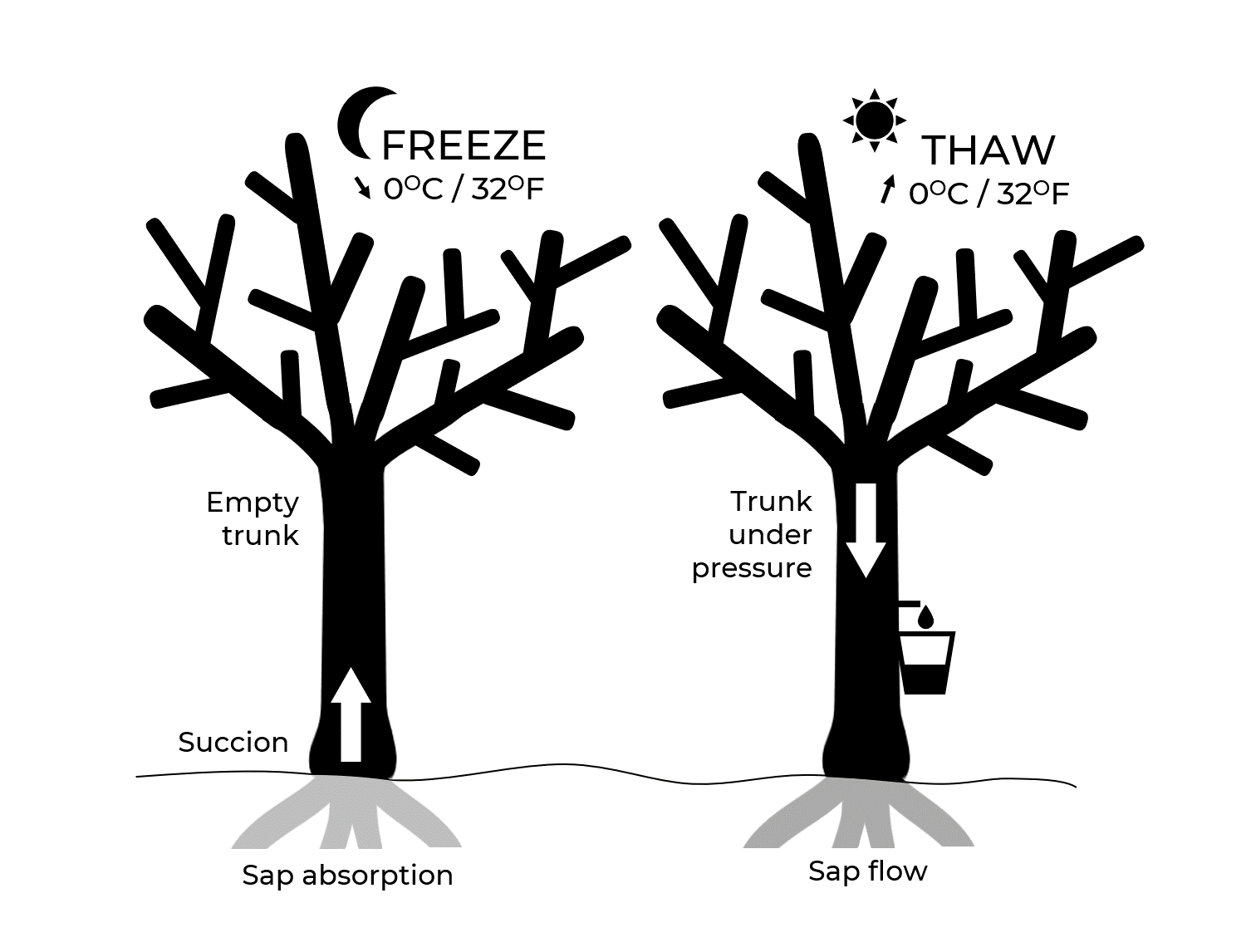
Sap is the plant’s internal transport system. It moves water, stored sugars, and nutrients from roots to branches and buds. During deep winter, sap flow slows dramatically as plants remain dormant, conserving energy until conditions improve. As daylight increases in late winter, roots begin to absorb moisture from unfrozen soil. On the Seacoast, sandy and loamy soils around Portsmouth, Rye, and North Hampton tend to drain well, which allows roots to respond quickly when temperatures rise above freezing. This is when sap pressure starts to build.
Why February Is the Sweet Spot for Pruning
February sits in a valuable window. Plants are still dormant, but they are close enough to spring that wounds will heal efficiently once growth resumes. Pruning now minimizes stress and reduces the risk of disease or pest problems.
When pruning is done after sap flow is fully active, trees may “bleed” sap, particularly species like maples and birches. While bleeding is not usually fatal, it can weaken the plant and attract insects. February pruning avoids this issue almost entirely.
Clear Structure, Healthier Growth
With no leaves to block your view, winter pruning makes plant structure easy to see. Crossing branches, weak crotches, and storm damaged limbs are obvious in February. This is especially important in coastal towns like Exeter and Hampton, where winter winds and heavy snow loads can cause hidden damage. Removing these problem branches now improves air circulation and light penetration once leaves emerge. Over time, this leads to stronger growth, better flowering, and fewer issues with fungal disease during humid Seacoast summers.
Shrubs and Ornamental Trees Benefit Most
Many common ornamental shrubs respond beautifully to February pruning. Hydrangeas, lilacs, and deciduous flowering shrubs benefit from selective thinning that encourages balanced spring growth. Pruning at the right time can mean more blooms and a cleaner shape throughout the season. Ornamental trees also benefit from careful structural pruning in late winter. Establishing good branch spacing and removing competing leaders now helps young trees mature into stable, long lived landscape anchors. This is a key part of fine gardening that often gets overlooked.
Local Climate Makes Timing Critical
Our Zone 6b climate brings freeze thaw cycles that gardeners inland may not experience as often. Coastal soils warm and cool quickly, and that influences sap movement. February pruning works with these conditions instead of fighting them. Waiting until March or April can mean pruning after sap pressure increases, especially in years with early thaws. By acting in February, homeowners in Portsmouth, Rye, and surrounding towns get ahead of the season rather than reacting to it.
Practical Steps Homeowners Can Take
Start by identifying which plants benefit from late winter pruning. Focus on deciduous trees and shrubs, leaving spring flowering plants that bloom on old wood for pruning after flowering. Use clean, sharp tools to make smooth cuts that heal easily. Avoid removing more than one third of a plant’s total growth in a single season. Over pruning causes stress and can lead to excessive, weak regrowth. If you’re unsure, this is where professional guidance makes a real difference.
Beyond Pruning: Setting the Stage for Spring
February is also the perfect time to plan complementary services like mulching and shrub care. Once pruning is complete and soils begin to thaw, a fresh layer of mulch helps regulate moisture and temperature around roots. This is especially helpful in exposed coastal gardens. Weeding may seem premature, but early removal of overwintering weeds reduces competition later in spring. Fine gardening is about stacking small, timely actions that add up to healthier landscapes.
Why Professional Timing Matters
Every property is different. Soil composition, exposure to salt air, and plant variety all influence how and when pruning should happen. A trained eye understands these nuances and adjusts techniques accordingly. At Seacoast Gardener, pruning is never rushed or generic. Each cut is made with long term plant health in mind, whether we’re caring for ornamental trees in Exeter or fine garden beds in North Hampton.
Looking Ahead to a Strong Growing Season
February pruning is an investment. It shapes how plants grow, bloom, and withstand stress throughout the year. When done correctly, it reduces maintenance later and improves the overall beauty of your landscape. If you want healthier shrubs, stronger trees, and a garden that thrives in our unique Seacoast conditions, thoughtful seasonal timing is the foundation. Expert Pruning is here to help you make the most of every season, beginning with the quiet, purposeful work done in February.
Reach out to schedule a consultation or ask a question about your garden.
📧 info@expertpruning.com
📞 (603) 999-7470
