

Hedge Trimming & Pruning | Seacoast NH
Species-specific care for healthy, beautiful hedges that support the entire landscape
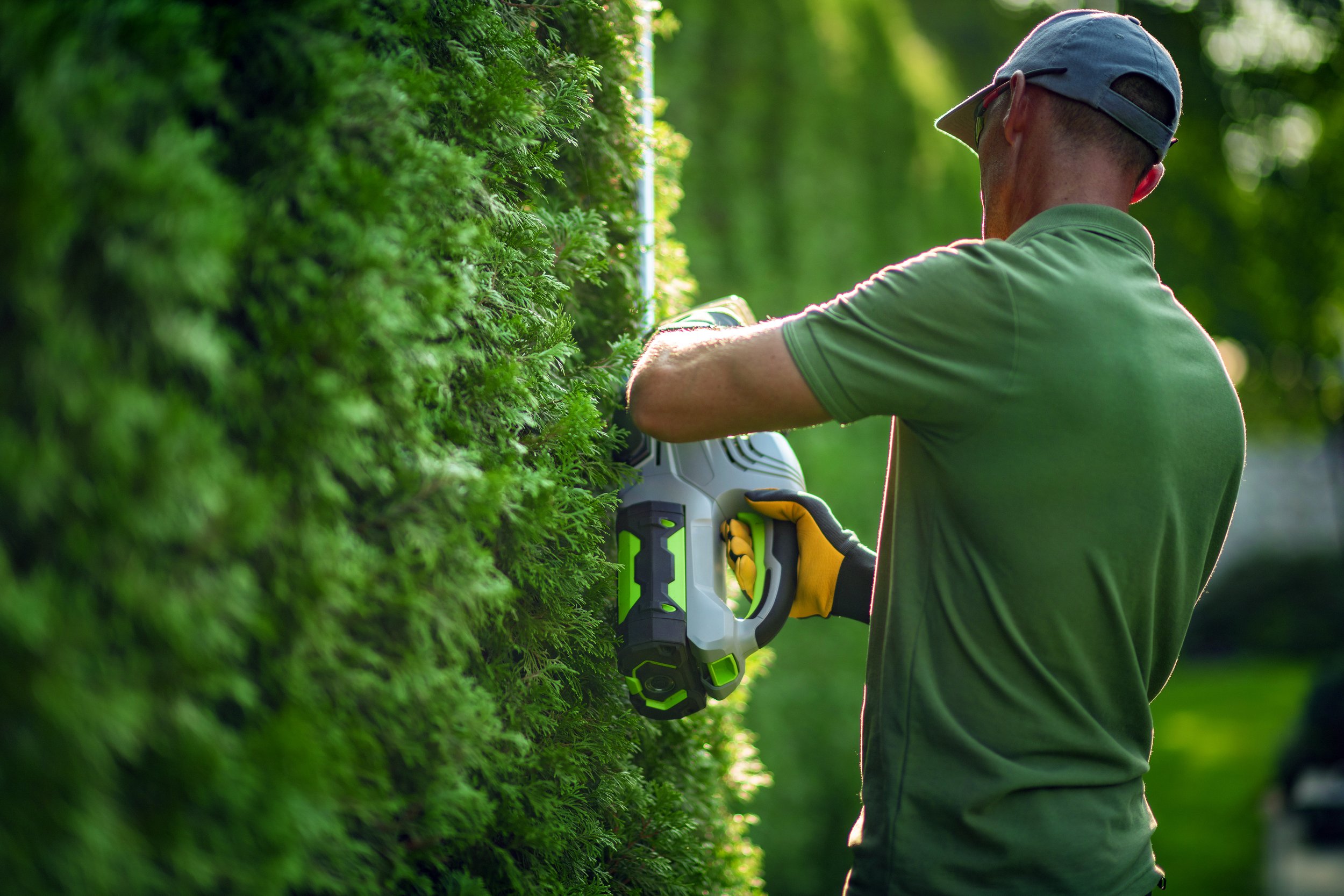
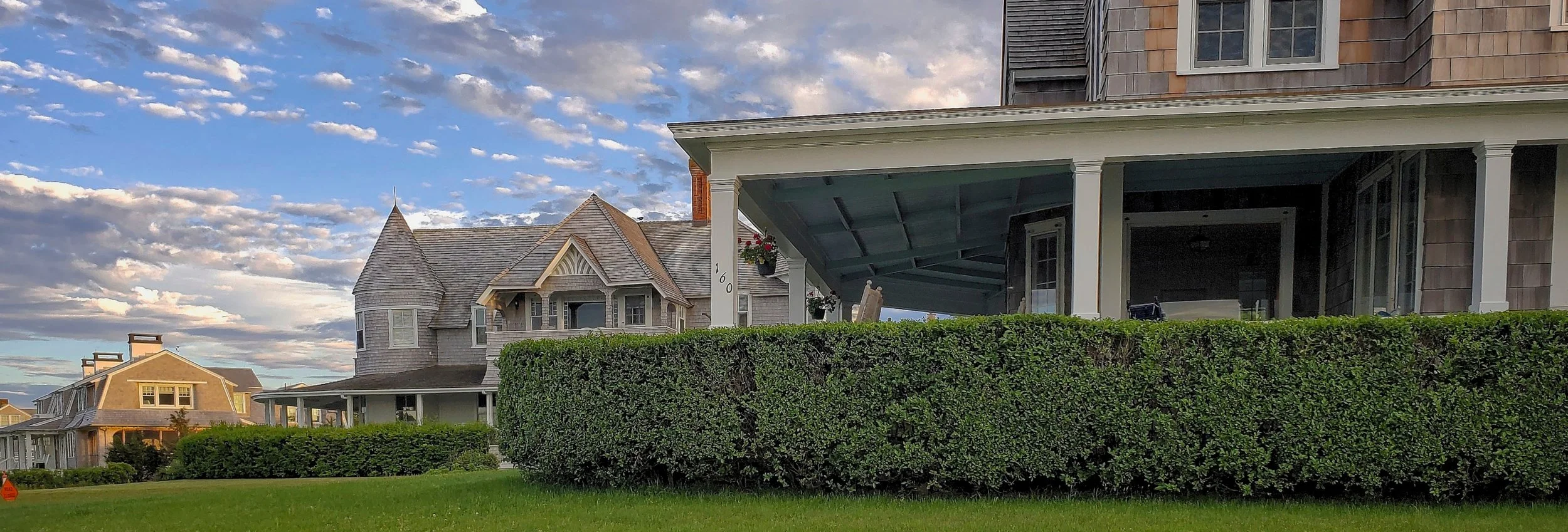
Your hedge does more than create a green backdrop. It defines property lines, provides privacy, frames garden rooms, and gives structure to the landscape in every season. When it is guided properly through professional hedge trimming and plant first pruning, it does this quietly and elegantly, with manageable upkeep.
At Expert Pruning, we approach hedge care with the eye of a specialized landscape maintenance professional rather than a general landscaper. Each species responds differently to pruning, light, and age. Arborvitae, yew, boxwood, holly, privet, and hornbeam may appear similar from a distance, yet their biology determines what is possible over time.
Our work begins with understanding what you have and what it can realistically become. This prevents the common problems we are often called to correct: hedges cut too far into permanent brown, privacy screens that thin at the base, or installations that never truly establish. Thoughtful pruning today protects long term beauty, proportion and overall landscape value tomorrow.
Hedge Problems We Solve
Restoring function and appearance through species biology
Most hedge challenges follow familiar patterns across Seacoast and Southern New Hampshire. Overgrowth that blocks light and windows. Gaps that compromise privacy. Lower branches thinning from years of improper shaping. Hedges that have simply outgrown their space.
The solution always depends on the plant itself. Yew will regenerate from old wood and can often be reduced dramatically with patience and care. Arborvitae cannot recover once cut beyond green growth. Understanding this difference protects you from investing in corrections that will not succeed.
Overgrown & Gaps
Size reduction within species regeneration limits. Gap filling for plants that can regenerate. Realistic solutions for permanent gaps requiring acceptance or replacement.
Brown & Dead Patches
Distinguishing normal interior shading from actual disease or damage. Conservative renovation when possible. Honest assessment when replacement needed.
Wrong Size
Height and width reduction matched to regeneration capacity. Taper establishment preventing future lower loss. Species-appropriate expectations.
Hedge Maintenance Services
One-time correction and ongoing care programs
Hedge maintenance divides into two approaches serving different needs. One-time correction addresses problems that have already developed—overgrowth, damage, years of neglect. This resets the hedge to appropriate size and establishes proper form. Ongoing maintenance keeps hedges at their established size through annual or seasonal care, preventing problems before they develop and catching issues early when they're simple to address.
Most properties benefit from both at different times. Newly purchased properties often need correction work to bring neglected hedges back to manageable size. Properties with established hedges at the right size need ongoing care to maintain them. The approach you need depends on where your hedge is now, not some universal schedule that applies to all hedges regardless of condition.
🔧 One-Time Correction Work
What it does: Reduces overgrown size by 15–40% depending on species capacity. Opens dense growth allowing light to interior. Establishes tapered profile (bottom wider than top) essential for long-term lower branch health. Removes dead, diseased, or damaged wood. Creates clean baseline for future maintenance.
Best for: Hedges blocking windows or access, neglected properties, storm damage, transitioning from previous contractor's approach, establishing shape on new installations.
Investment: Typically $180–420 per 20 linear feet depending on height and severity. This reset reduces future annual costs by 40–60% compared to maintaining oversized hedges.
🔄 Ongoing Maintenance Programs
What it does: Maintains established size through light annual or seasonal trimming. Prevents gradual expansion requiring eventual correction. Preserves form and density. Identifies problems early—gaps, disease, damage—when simple to address.
Frequency options: Once annually for most informal hedges (June or August). Twice annually for formal sheared hedges (June and August). Three times for very formal geometric precision (May, July, September).
Investment: Annual service runs $120–280 per 20 linear feet. Multi-year agreements often reduce costs 15–20%. Prevents expensive neglect-correction cycles.
We also help properties choose between shearing for formal geometric hedges and hand pruning for natural informal forms. Formal sheared hedges create that classic crisp appearance but require multiple sessions per season to maintain precision. Hand-pruned natural hedges look flowing and informal with only annual care. Both work beautifully when matched to realistic maintenance capacity—problems arise when formal hedges are maintained on informal schedules or vice versa.
25+ years
Species-specific hedge experience
6 species
Primary hedges we work with
80–90%
Success rate proper installations
Hedge Selection and Installation
Right plant. Right place. Right expectations
Installation and pruning are inseparable. A hedge selected without regard to mature size or regeneration habits will eventually require difficult decisions. A hedge chosen thoughtfully can serve beautifully for decades with modest care.
We help homeowners select species based on light exposure, soil conditions, long term height goals, and desired form. Fast growing options create privacy quickly but require consistent size management. Slower growing species demand patience at first, yet often provide lower lifetime maintenance.
Professional installation includes correct planting depth, soil preparation, careful spacing, and a clear establishment plan. Many hedge failures trace back to planting too deeply or neglecting early watering. Small details at installation determine long term success.
Replacement projects are approached with the same care. When a hedge has failed, we evaluate why before replanting. Correcting drainage, adjusting spacing, or selecting a more appropriate species prevents repeated disappointment.
🌲 Species Selection Expertise
Evergreen options: Arborvitae for fast privacy (won't regenerate from brown). Yew for versatile low-maintenance (regenerates well from old wood). Boxwood for compact formal (blight considerations). Holly for native screening (inkberry) or formal use (English, blue).
Deciduous options: Privet for very fast fill (high maintenance). Hornbeam for elegant formal tall hedges (8–12 year establishment).
What we assess: Site sun exposure, soil drainage and type, wind and salt exposure, mature size versus available space, growth rate versus maintenance capacity, regeneration capacity for future flexibility.
🌱 Professional Installation
Proper technique: Drainage testing and correction before planting. Correct planting depth (kills more hedges than any other error—must plant at container depth or slightly high, never deep). Native soil backfill preventing interface problems. Immediate thorough watering and watering basin creation. Proper mulching keeping material away from stems.
Establishment care: First-year watering protocol (twice weekly deep watering April–October). Second-season monitoring and support. Realistic establishment timelines by species and season. Winter protection for exposed new plantings.
Spacing guidance: Tight spacing (18–24 inches) for faster fill but earlier merger requiring reduction. Standard spacing (24–36 inches) balancing fill time with individual character. Wide spacing (36–48 inches) for long-term low maintenance accepting slower coverage.
Our Approach to Hedge Care
Plant first pruning guided by plant biology
At Expert Pruning every decision begins with the plant. Plant First Pruning means we study the species before we lift the shears. We consider how it regenerates, how it ages, what its mature form should be, and how it relates to the surrounding garden landscape.
There is no universal formula applied across every hedge. Arborvitae, yew, boxwood, and holly each respond differently to cutting and light. By respecting those biological limits, we avoid unnecessary stress and shape hedges in ways they can sustain for decades.
This philosophy also supports the broader goals of thoughtful landscaping. A well proportioned hedge should complement the architecture of the home, define outdoor rooms gracefully, and mature with quiet dignity. Proper taper, balanced height, and measured reduction today prevent decline and expensive correction tomorrow.
We serve homeowners throughout Seacoast and Southern New Hampshire who appreciate refinement and long term thinking. Our work is steady and informed, protecting both plant health and the value of your property.
If you would like to establish a clear plan built on Plant First Pruning, we welcome the conversation. Together, we can create a direction that keeps your hedges healthy, proportional, and beautifully aligned with your landscape for years to come.
Additional Hedge Services
Seasonal protection and specialized care
Beyond regular maintenance and installation, we provide seasonal services addressing specific hedge challenges. Winter protection through burlap wrapping prevents snow damage on multi-leader arborvitae, reduces winter burn on exposed evergreens, and deters deer browsing. This is especially important for newly planted hedges during their first two winters and for exposed sites receiving heavy wind, salt spray, or deer pressure.
We also help properties improve privacy hedge density through proper taper establishment—making the bottom wider than the top so light reaches all levels. Many privacy hedges fail gradually as dense outer growth shades interior and lower branches to death. Establishing and maintaining proper taper prevents this pattern, though it requires accepting somewhat less density on the exterior to achieve maintained density throughout. We assess current taper, determine if the species can fill existing gaps, and develop realistic timelines for coverage improvement.
Professional Hedge Services
From problem-solving to ongoing care to new installations, we provide comprehensive hedge services throughout Seacoast NH and Southern Maine. Every approach is grounded in species biology and realistic expectations.
Schedule Consultation