

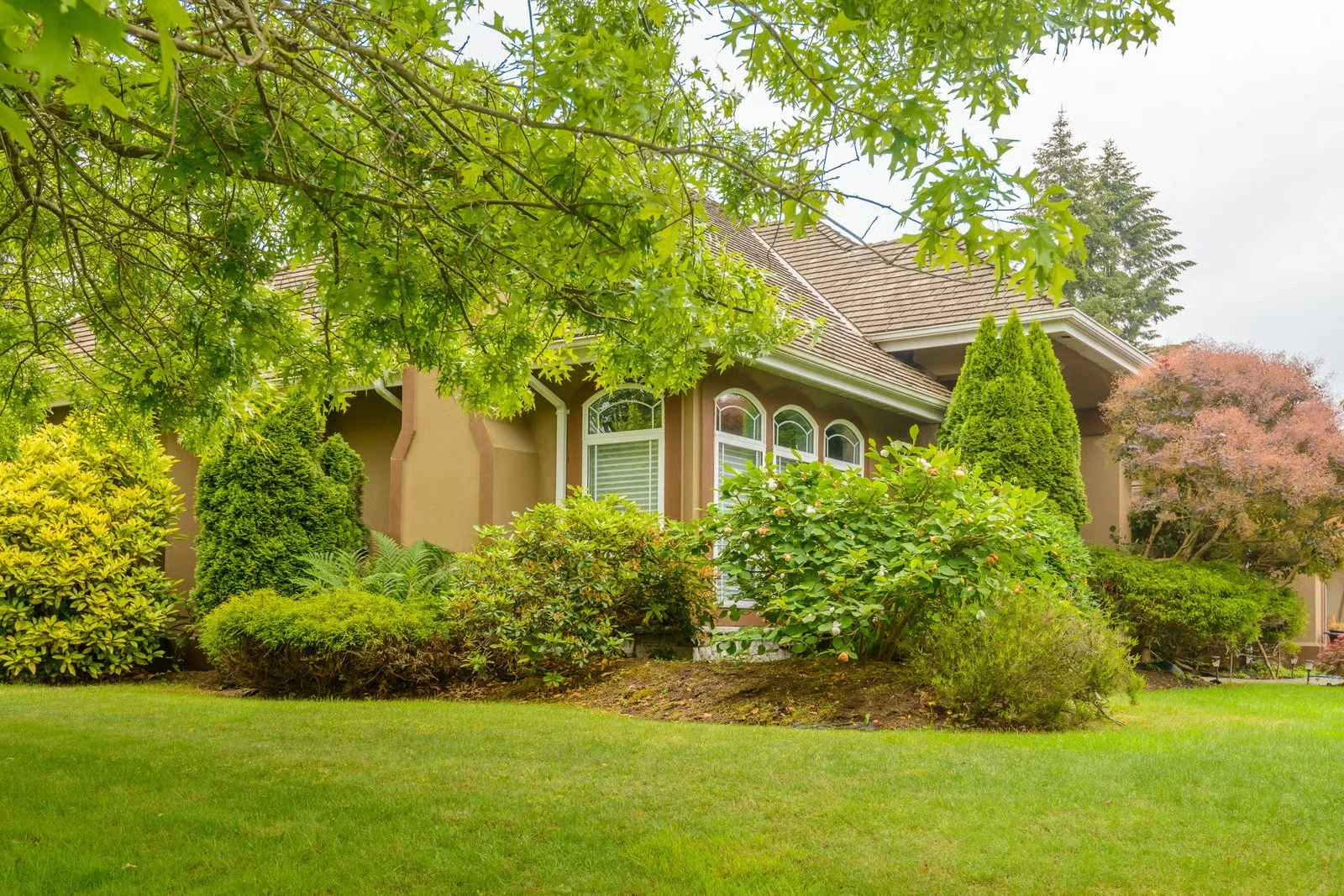
Shrub Selection Installation & Replacement | Seacoast NH & SO. Maine
Right plant, right place – selection, soil preparation, and installation for lasting results

Shrub selection and installation determine whether a landscape matures gracefully or requires constant correction. At Expert Pruning, we approach every planting with long-term performance in mind — carefully evaluating mature size, site conditions, drainage, light exposure, soil quality, and future maintenance needs before a single shrub goes into the ground. Proper selection prevents structural problems and supports predictable, disciplined pruning over time while strengthening the overall structure and longevity of the garden.
As a pruning-focused company serving Portsmouth, Exeter, Rye, North Hampton, and surrounding Southern New Hampshire Seacoast communities, we understand installation and pruning are directly connected. A shrub placed properly and installed with precision establishes more reliably, grows within its intended scale, and requires far less corrective work in the years that follow, helping gardens remain balanced, healthy, and visually refined.
Choosing the Right Shrub
Right plant, right place prevents future problems
Shrub selection begins with understanding site conditions and intended function before considering aesthetics. Sunlight exposure, soil drainage, mature plant dimensions, and realistic maintenance expectations drive the selection process. A foundation planting benefits from shrubs that stay compact naturally rather than fast-growing species requiring aggressive pruning to control size.
Expert Pruning evaluates coastal exposure, soil quality, and available space on properties throughout Portsmouth, Dover, and Greenland to recommend shrubs that will actually succeed long-term. Coastal sites from York to Kittery in Southern Maine present particular challenges—salt spray and wind limit plant choices significantly compared to inland locations. Selecting species appropriate to Zone 6b coastal conditions eliminates the cycle of planting, watching plants struggle, replacing, and repeating the same mistakes with the same unsuitable species.
🌿 Selection Criteria We Use
- Mature size: Does the plant fit the space in 5–10 years without constant pruning?
- Sunlight needs: Full sun, partial shade, or full shade tolerance matched to actual site conditions
- Soil requirements: Drainage, pH, and nutrient needs compatible with existing soil or planned amendments
- Coastal tolerance: Salt spray, wind, and sandy soil tolerance for exposed Seacoast properties
Selecting the right plant from the start prevents the costly cycle of replanting and reduces the need for heavy corrective pruning later. When shrubs are properly matched to soil, light exposure, salt conditions, and mature size, they grow naturally into their space instead of constantly being cut back to fit.
For homeowners in Rye, North Hampton, and surrounding Seacoast communities, thoughtful plant selection is one of the most important long-term investments you can make in your garden.
Soil Preparation & Site Assessment
Foundation for plant establishment and long-term health
Soil preparation determines whether shrubs establish with confidence or struggle for years to find their footing. Before planting, we assess drainage, compaction, organic matter, and overall soil structure across the entire bed — not just the planting holes. When the full area is properly prepared, roots grow outward into surrounding soil, accessing water and nutrients rather than remaining confined like a potted plant set into the ground.
Here in the Seacoast region, soils vary more than many homeowners realize. From Hampton through Newington in New Hampshire and down into Eliot in Southern Maine, sandy soils with fast drainage and low organic matter are common. Rather than relying on generic amendments, we base recommendations on actual site conditions and each plant’s needs. We know that incorporating organic matter improves moisture retention, while lower-lying residential properties with heavier clay mixtures we adjust for proper drainage before planting begins.
When soil is prepared thoughtfully from the start, shrubs establish more quickly, grow more evenly, and require far less correction over time. It’s one of the essential steps that allows a landscape to mature beautifully year after year.
🌱 Soil Preparation Steps
- Site assessment: Evaluate drainage, test soil pH and nutrients, identify compaction issues
- Bed preparation: Work amendments across entire planting area, not just individual holes
- Drainage improvement: Install drainage solutions when needed before planting, not after plants fail
- Organic matter addition: Incorporate compost based on soil test results and plant needs
25+
Years selecting shrubs for coastal conditions
95%+
Survival rate with proper selection & installation
18
Towns across NH Seacoast & Southern Maine
Professional Installation
Planting correctly from the star
Installation technique influences long-term success just as much as plant selection and soil preparation. We carefully set each shrub at the proper depth, locating the root flare — where the trunk widens into the root system — and planting at grade rather than burying stems, which can lead to rot and decline. All containers, wire baskets, twine, and tags are removed to prevent root girdling as plants mature. Planting holes are dug two to three times wider than the root ball, but never deeper, so shrubs settle naturally without sinking below soil level.
Across Seacoast New Hampshire, we back fill primarily with native soil unless testing shows amendments are needed. This encourages roots to move confidently into surrounding soil rather than remaining dependent on an amended pocket. We apply organic fertilizers when appropriate to support steady establishment, along with a two- to three-inch layer of mulch kept slightly back from stems to prevent moisture-related rot. Careful initial watering and a thoughtful first-season schedule ensure strong root contact without over saturating the soil.
When installation is done correctly from the start, shrubs establish more quickly, develop stronger structure, and require far less intervention as they mature — supporting lasting beauty in the landscape.
✅ Professional Installation Includes
- Proper depth: Root flare exposed, planted at grade, no stem burial
- Complete material removal: All containers, burlap, wire, tags, and binding removed
- Root handling: Gentle loosening of circling roots, preservation of root ball integrity
- Establishment watering: Deep initial watering and schedule for first growing season
Shrub Replacement
When to replace and when to restore
Not every struggling shrub needs replacement—some can be restored through proper care and corrective pruning, while others are better removed and replanted with appropriate species. We assess whether decline stems from correctable issues like improper pruning, nutrient deficiency, or manageable pest pressure, or from fundamental problems like wrong plant for the location, severe structural damage, or disease beyond practical recovery.
Properties from Wells to Portsmouth face this decision regularly—a shrub planted fifteen years ago in the wrong location creates ongoing problems no amount of care can fix. Sometimes the most cost-effective solution is removing a poorly suited plant and installing the right species rather than managing predictable failures year after year. Other times, an overgrown but structurally sound shrub in Exeter or Rye benefits more from renovation pruning than replacement, preserving mature landscaping at fraction of the cost.
🔄 Replacement Indicators
- Wrong species for location: Plant fundamentally unsuited to site conditions, climate, or available space
- Severe structural damage: Major trunk splitting, extensive dieback, or irreparable storm damage
- Advanced disease: Systemic infections like root rot or vascular diseases with poor recovery prognosis
- Size mismatch: Mature dimensions incompatible with location requiring constant aggressive pruning
Professional Shrub Removal
Complete removal and site restoration
Shrub removal involves far more than simply cutting a plant down. Proper removal means extracting the root system to prevent regrowth and thoughtfully preparing the site for new plantings or a different landscape use. We remove shrubs completely, grind stumps when necessary, and evaluate the underlying soil conditions that may have contributed to the plant’s decline before recommending any replacements. This ensures we are not installing new shrubs into the same conditions that caused the previous ones to struggle.
Expert Pruning provides professional removal services throughout Southern Maine and the New Hampshire Seacoast when shrubs reach the end of their useful life, create safety concerns, or need to be cleared to make room for better-suited plantings. Careful removal and site preparation prevent new shrubs from competing with persistent roots or struggling in depleted soil — a common issue when removal is rushed or incomplete. Done properly, removal becomes an opportunity to reset the space and guide the landscape toward healthier, longer-lasting growth.
🔨 Complete Removal Process
- Plant removal: Cut above ground and extract root systems to prevent regrowth
- Stump grinding: Grind stumps below grade when preparing for new plantings or lawn restoration
- Debris removal: Haul away all plant material, roots, and waste from site
- Site preparation: Amend soil, address drainage, and prepare for new plantings if replacing
Ongoing care after installation determines whether newly planted shrubs establish confidently or struggle through their first growing season. That first year is especially important — shrubs need consistent moisture while roots expand beyond the original container and integrate with surrounding soil. Expert Pruning provides clear establishment guidance and can schedule follow-up visits to monitor new plantings and address small concerns before they become larger setbacks.
Long-term care depends on proper species selection and thoughtful site preparation from the start. Across Seacoast New Hampshire and Southern Maine, landscapes with well-matched plants and prepared soil require far less intervention than those working against poor placement or uncorrected conditions.
To learn more about how we support gardens beyond planting day, visit our Seasonal & Ongoing Care are for details on seasonal visits and maintenance planning.
We work with homeowners throughout the Seacoast to develop realistic maintenance expectations based on actual plant needs — not generic advice — ensuring shrubs remain healthy and well-suited to their space year after year.
Schedule Your Shrub Selection Consultation
Expert Pruning provides professional shrub selection, installation, replacement, and removal services throughout Portsmouth, Exeter, and across Seacoast NH and Southern Maine. Contact us to discuss your planting needs and site conditions.
Contact Expert Pruning