

June Pruning Guide for the Seacoast | Expert Pruning in Portsmouth NH
Pruning Hydrangeas in Early Summer: Timing Is Everything
Walk through almost any established garden in Exeter or along the New Hampshire Seacoast and you will find hydrangeas. They are planted in full sun borders, tucked into shaded foundation beds, and anchored at the corners of porches where their big blooms make an impression from midsummer through fall. They are generous, beautiful shrubs when they are happy. But few plants generate more pruning uncertainty, and that uncertainty often costs homeowners an entire season of flowers without them ever knowing why.
The good news is that hydrangea pruning is not complicated once you understand the underlying logic. The challenge is that there is no single answer that applies to every plant. The right approach depends entirely on which type of hydrangea you are growing, and in Seacoast gardens, several distinct types are commonly found growing side by side.
The Question That Changes Everything
Before you pick up your pruners, you need to answer one question: does this hydrangea bloom on old wood or new wood? This is not botanical trivia. It is the practical distinction that determines whether pruning right now will give you more flowers next year or fewer. Get it right and your hydrangeas reward you generously. Get it wrong and you spend the following summer wondering why a perfectly healthy shrub refused to bloom.
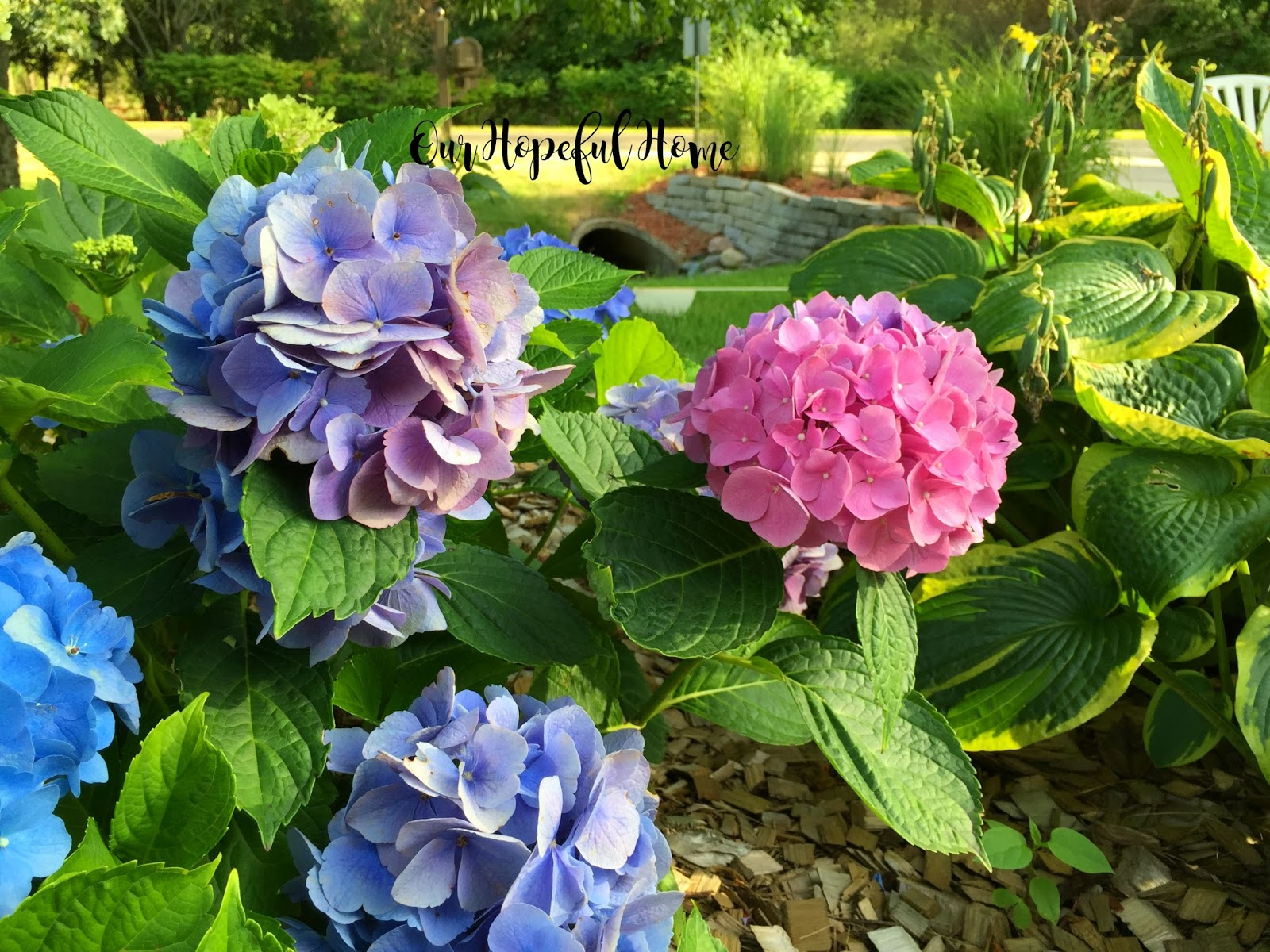
Old wood bloomers set their flower buds on the stems they grew the previous summer. Those buds overwinter on the plant and open the following season. Bigleaf hydrangeas, the classic mopheads and lacecaps so common in coastal New England gardens, fall into this category. So do oakleaf hydrangeas, which are increasingly popular along the Seacoast for their remarkable four season interest and tolerance of our variable conditions. New wood bloomers, by contrast, produce fresh flower buds each spring on the current season's growth. Smooth hydrangeas and panicle hydrangeas belong to this group, and they are considerably more forgiving when it comes to pruning time.
Old Wood Bloomers: The Window Has Passed
If you have a bigleaf or oakleaf hydrangea and you are reading this in early summer, the pruning window for this season is either just closing or already behind you. These shrubs should be pruned in the weeks immediately following bloom, giving them the rest of summer and early fall to develop the new growth that carries next year's flower buds. Pruning them now, before they have finished flowering, removes the buds you are waiting to see open.
If your bigleaf hydrangea bloomed sparsely this season or not at all, do not assume it needs harder pruning. In Zone 6b, the more likely explanation is winter damage to the old wood buds. A late frost, a particularly cold and dry stretch in February, or an exposed location with little snow cover can kill the buds on bigleaf hydrangeas even when the stems themselves survive. This is why siting and winter mulching matter so much for these plants on the Seacoast. Reblooming varieties offer some insurance by producing buds on both old and new wood, but even they prefer not to be cut back during active growth.
New Wood Bloomers: Relax and Watch Them Grow
If your hydrangeas are of the smooth or panicle type, early summer is actually a quiet and reassuring time. Pruning for these shrubs belongs in late winter before any new growth has emerged, and by now that work is done. What you are seeing in the garden right now are the vigorous new stems that will carry this summer's blooms, and they deserve to be left alone.
The one exception worth noting is a corrective trim on a smooth hydrangea that has flopped badly under its own weight. A selective reduction of the tallest stems, cutting back to a strong lateral shoot rather than cutting to the ground, can improve the plant's posture without sacrificing flowers. This is a fine tuning adjustment, not a renovation, and it should be done with restraint.
What Early Summer Care Actually Looks Like
For all hydrangea types, early summer care is less about cutting and more about supporting. Removing the dried flower heads that were left on through winter is appropriate now if it was not done in early spring. Follow each old stem down to the first pair of healthy, emerging buds and make a clean cut just above them. This tidies the plant and removes dead material without disturbing any of the active growth below.
Interior thinning is another valuable early summer task. On older, well established hydrangeas, a few of the thickest, woodiest stems at the base can be removed entirely to improve airflow through the plant. In the humid summers common along the Seacoast, good air circulation reduces the risk of powdery mildew and keeps foliage looking clean through the season. Remove no more than a stem or two and always cut at the base rather than partway up the stem.
Soil, Mulch, and Water in Seacoast Conditions
Hydrangeas are heavy drinkers, and the sandy, fast draining soils found throughout much of the Exeter area and the broader Seacoast region can make moisture management a real challenge. A two to three inch layer of quality shredded mulch applied around the root zone now does more for these shrubs than almost any other single step. It conserves moisture, keeps soil temperatures stable through summer heat, and reduces the stress that shows up as wilting foliage on a dry July afternoon.
Water deeply and at the base of the plant rather than overhead. Wet foliage combined with warm temperatures invites disease. A slow, thorough soaking two to three times per week during dry periods gives the root system what it needs to sustain strong growth and abundant bloom. Well cared for hydrangeas in healthy soil with consistent moisture are remarkably productive and surprisingly long lived shrubs.
Let Expert Pruning Help You Get It Right
Hydrangeas do not ask for much, but what they do ask for, especially correct pruning timing, matters more than most homeowners realize. If you are unsure what type of hydrangea you have, when to prune it, or how to rehabilitate a plant that has been cut back at the wrong time for several seasons running, we are here to help. Expert Pruning works with shrubs, ornamental plantings, and fine gardens throughout Exeter and the greater New Hampshire and Southern Maine Seacoast, and we bring patient, plant centered expertise to every property we care for.
Reach out today and let us put your hydrangeas on the right track this summer.
info@expertpruning.com (603) 999-7470
