

Ornamental Tree Care Services
Professional care for healthy, beautiful landscape trees
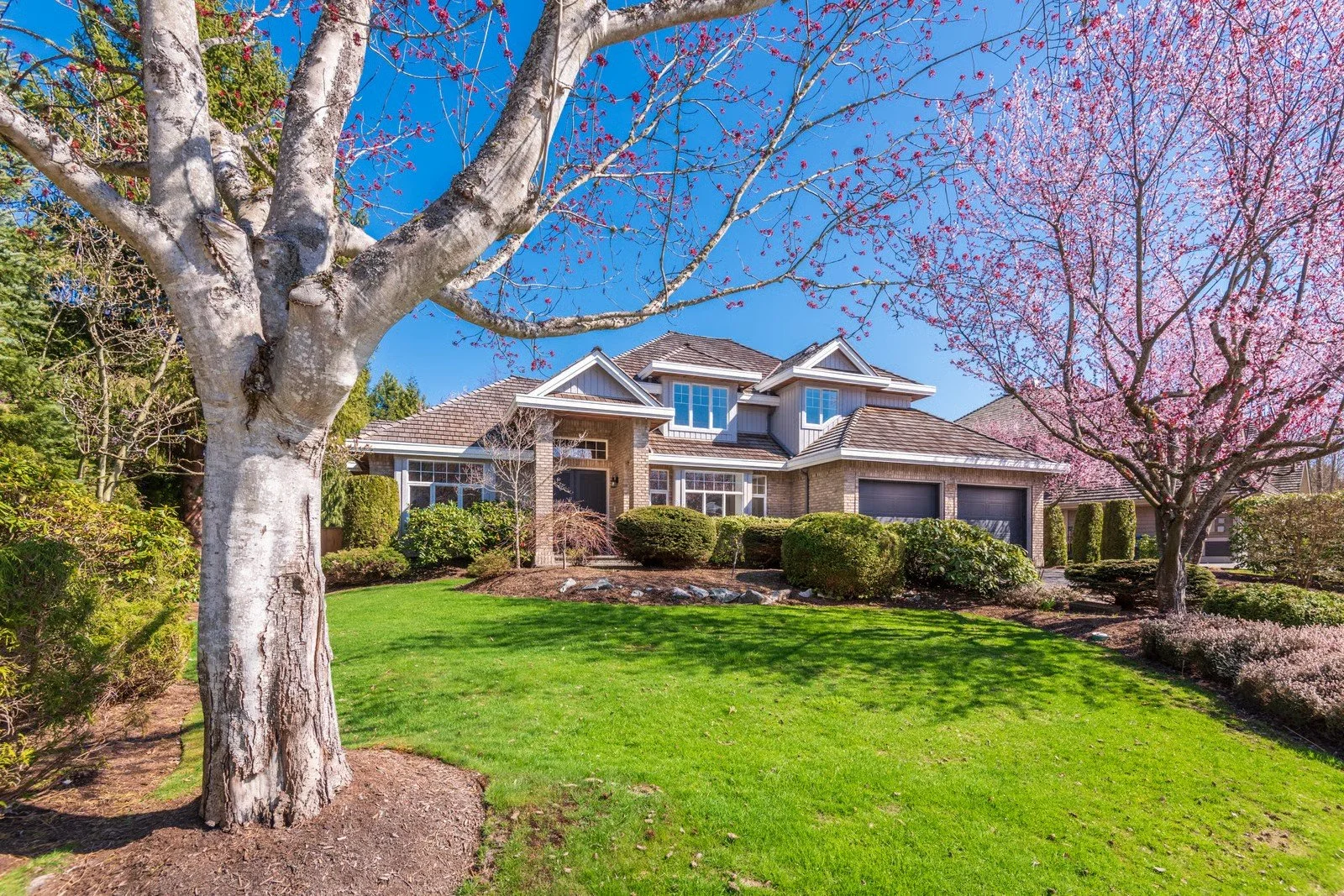
Ornamental tree care divides into ongoing maintenance that keeps trees healthy and attractive versus specialized work addressing specific problems or creating particular forms. Fertilizing supports growth when soil nutrients are limited. Disease control prevents or manages problems threatening tree health. Seasonal pruning removes deadwood and maintains shape. Structural work creates strong frameworks preventing future failures. Aesthetic pruning refines form for visual impact. Espalier training creates two-dimensional forms against walls or fences.
Our approach to tree care starts with understanding what the tree actually needs versus what might look like it needs intervention. A tree with yellowing leaves might need fertilizer, or it might be overwatered, planted too deep, or stressed by compacted soil—adding fertilizer to those situations doesn't help and can make problems worse. A tree with crossing branches might benefit from selective removal, or those branches might provide necessary structure better left alone. We assess each situation individually, grounded in how trees actually grow and respond.
Fertilizing and Disease Control
Supporting health through soil management and preventive care
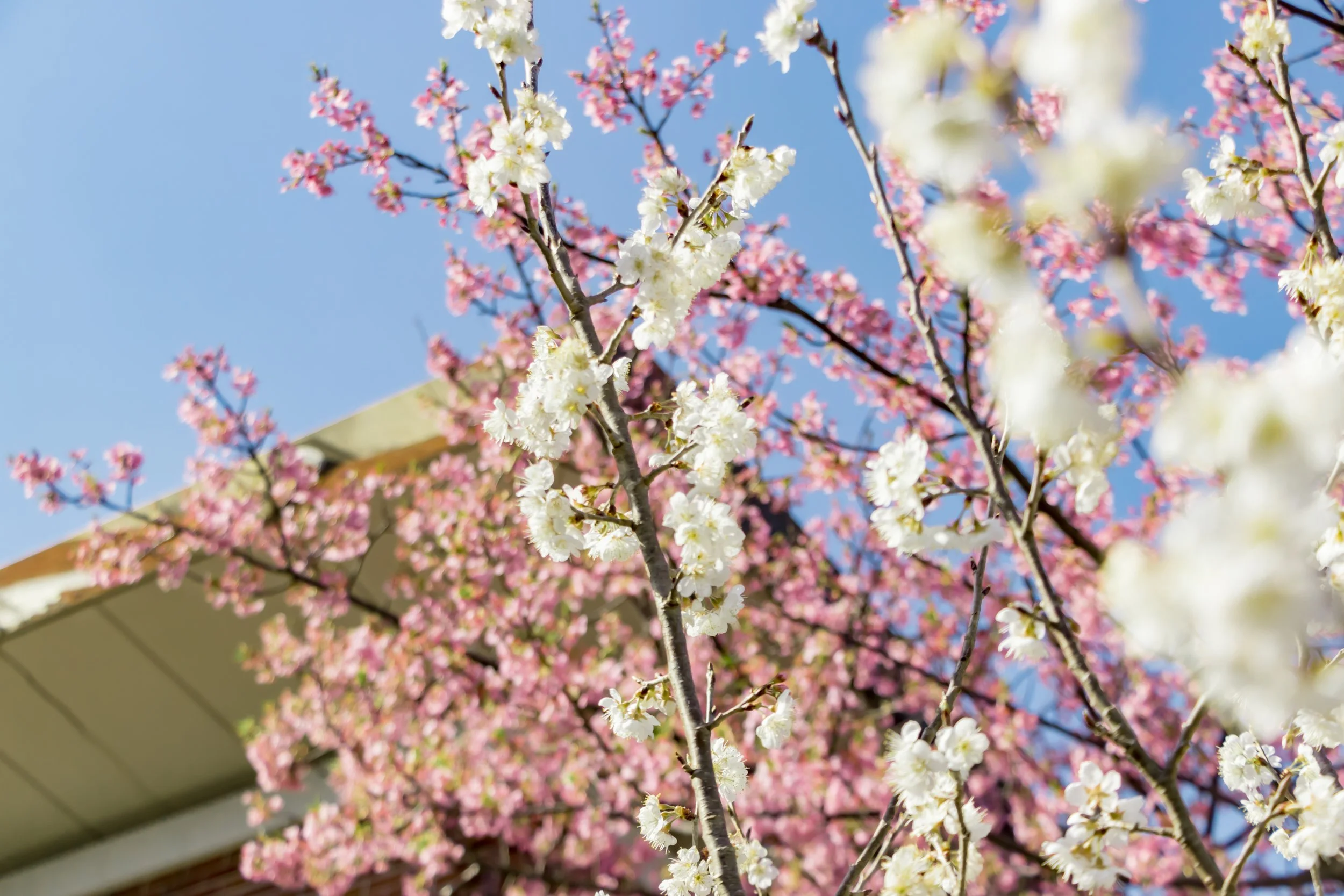
Ornamental tree identification begins with observing basic characteristics that narrow down possibilities. Most homeowners can identify their trees by noting foliage type, flowering habit, and growth form. These observations point you to the right category and help determine appropriate pruning care.
🌱 When Trees Need Fertilization
Good candidates: Young trees (first 3-5 years) establishing in poor soil. Trees in sandy soil showing slow growth. Trees recovering from severe pruning or storm damage needing energy for wound closure and regrowth. Trees showing confirmed nutrient deficiency from soil testing.
Poor candidates: Trees already growing vigorously (excess fertilizer produces weak growth). Trees in wet or compacted soil (need drainage or aeration first). Trees stressed from drought, disease, or root problems (fertilizer won't address underlying issue). Trees near water bodies (fertilizer runoff creates environmental problems).
Our approach: Soil testing when deficiency suspected, rather than routine feeding. Slow-release organic fertilizers when fertilization appropriate. Application in root zone, not around trunk. Late fall application (October-November) for nutrient storage without stimulating late-season growth vulnerable to winter damage.
🔬 Disease Prevention and Control
Preventive practices: Proper planting depth and watering preventing stress that invites disease. Pruning timing that avoids high-risk periods (never prune oaks April-October due to oak wilt, avoid stone fruits during wet weather minimizing bacterial canker). Tool sanitation between cuts on diseased material preventing spread. Removal of diseased leaves and branches reducing disease pressure.
Common treatable issues: Fire blight on crabapples and pears (prune 12 inches below symptoms into healthy wood, disinfect tools between cuts). Powdery mildew on susceptible species (improve air circulation through selective thinning). Apple scab (remove fallen leaves reducing overwintering spores).
When to call specialists: Suspected oak wilt, Dutch elm disease, or other systemic diseases requiring diagnosis and potential treatment by certified arborists. Pest infestations like emerald ash borer requiring specialized treatment. Decline from unknown causes needing professional diagnosis before treatment.
Disease control often focuses on cultural practices more than chemical treatments. Good air circulation through proper spacing and selective pruning reduces fungal problems. Avoiding overhead irrigation keeps foliage dry. Proper mulching and watering reduces stress making trees susceptible. Removing diseased material prevents spread. These practices prevent more problems than fungicides treat, and they don't create the environmental concerns or ongoing costs that spray programs do.
Seasonal Pruning
Annual care maintaining health and appearance
Seasonal pruning removes deadwood, corrects minor problems before they become major, and refines shape. Most ornamental trees benefit from annual or biannual assessment even if they don't need cutting every year. Young trees might need frequent training establishing good structure. Mature trees in good health might go several years between pruning sessions. The goal is doing what the tree needs when it needs it, not pruning on arbitrary schedules regardless of tree condition.
Timing matters because trees respond differently at different seasons. Dormant season pruning (late fall through early spring) produces vigorous regrowth because stored energy goes into fewer remaining buds. Summer pruning produces less regrowth because the tree has already invested energy in spring growth. Disease considerations also affect timing—oak wilt beetles are active April through October making that period extremely risky for oak pruning. Stone fruits are susceptible to bacterial diseases during wet weather. We match timing to species biology and local disease pressure.
❄️ Dormant Season (Nov-Mar)
Best for: Most deciduous trees. Structural work visible without leaves. Vigorous species needing growth control (cut during dormancy reduces regrowth compared to summer cutting). Trees prone to bleeding sap (maples, birches, walnuts) if cut early in period before sap flow begins.
Avoid: Oaks (wait until deep winter when beetles dormant). Spring-flowering trees if you want to preserve current year's flowers. Trees in active decline (wait until they leaf out confirming what's actually dead).
☀️ Growing Season (Apr-Oct)
Best for: Spring-flowering trees after bloom (lilac, crabapple, cherry). Trees needing growth suppression (summer cutting reduces regrowth). Correcting storm damage during growing season when it occurs.
Avoid: Oaks (oak wilt beetle period). Stone fruits during wet weather (bacterial canker risk). Excessive cutting during heat and drought (additional stress when tree already challenged).
Annual pruning typically involves removing deadwood, crossing or rubbing branches, and water sprouts. Deadwood removal improves appearance and prevents branches from falling. Crossing branches create wounds where they rub, inviting disease. Water sprouts—those vigorous vertical shoots from trunk or branches—usually result from stress or heavy pruning and divert energy from the main canopy. Light annual removal of these problems maintains tree health and form without the shock of infrequent heavy pruning.
A flowering cherry we maintain receives annual evaluation in late June after flowering. Most years we remove minimal material—a dead branch here, a rubbing branch there—taking perhaps thirty minutes. Every third or fourth year, storm damage or significant deadwood accumulation requires more extensive work. This light regular attention keeps the tree attractive and healthy without the expense and stress of major pruning sessions every five or six years when problems have accumulated.
25%
Maximum live canopy removal per season
Nov–Mar
Dormant season for most deciduous trees
3–5 yr
Typical interval between major pruning
Structural and Aesthetic Pruning
Creating strong frameworks and refined forms
Structural pruning focuses on creating strong branch architecture preventing future failures. This matters most on young trees when training is easy and effective—establishing a single central leader, spacing lateral branches vertically and radially, removing weak attachments, building balanced frameworks. Trees receiving good structural pruning for their first ten years rarely need major corrective work later. Trees lacking this early training often develop problems requiring difficult choices on mature specimens where cuts are large and options limited.
Aesthetic pruning refines the tree's form beyond basic structure. This might mean creating open, airy canopies on Japanese maples, preserving natural character on flowering cherries, or developing layered branching on specimen trees. The goal is enhancing the tree's inherent beauty, not forcing it into unnatural shapes. We work with what the tree wants to do, removing branches that compete with the desired form and preserving those that contribute to it.
🏗️ Structural Pruning by Tree Age
Young trees (years 1-5): Establish single central leader if appropriate for species. Begin lateral branch spacing preventing future conflicts. Remove weak crotches and crossing branches while cuts are small. Light work preventing problems rather than correcting them.
Developing trees (years 5-15): Continue leader dominance. Establish permanent scaffold branches at proper spacing. Remove temporary branches that served early function but now compete. More significant cuts but still manageable size creating minimal stress.
Mature trees (15+ years): Limited structural correction possible without large wounds. Focus on removing hazards—dead wood, weak attachments threatening property. Accept structural imperfections developed early rather than creating large wounds trying to "fix" them.
✨ Aesthetic Refinement Techniques
Crown thinning: Selective removal of interior branches improving light penetration and air circulation. Creates refined appearance and reduces wind resistance. Particularly effective on maples, oaks, and other shade trees. Remove no more than 25% of live branches per session.
Crown raising: Removing lower branches creating clearance for foot traffic, vehicles, or sightlines. Typically remove branches to 6-8 feet for pedestrian clearance, 14-16 feet for vehicle access. Never remove so many lower branches that more than one-third of total height is clear trunk—this destabilizes the tree.
Crown shaping: Selective removal creating or enhancing natural form. Emphasizing horizontal branching on flowering cherries. Creating open structure on Japanese maples. Developing layered effect on specimen conifers. Following tree's growth habit, not forcing alien shapes.
Disease control often focuses on cultural practices more than chemical treatments. Good air circulation through proper spacing and selective pruning reduces fungal problems. Avoiding overhead irrigation keeps foliage dry. Proper mulching and watering reduces stress making trees susceptible. Removing diseased material prevents spread. These practices prevent more problems than fungicides treat, and they don't create the environmental concerns or ongoing costs that spray programs do.
Espalier Pruning and Training
Creating two-dimensional forms against walls and fences
Espalier training creates trees growing in formal two-dimensional patterns against walls, fences, or freestanding wire frameworks. Common patterns include horizontal cordons, fan shapes, Belgian fence (diagonal lattice), and candelabra forms. This technique serves both functional and aesthetic purposes—producing fruit in small spaces, creating living architectural elements, adding vertical interest to flat surfaces, and growing tender species against warm south-facing walls.
Successful espalier requires matching the right species to the pattern. Apples and pears work beautifully for formal horizontal cordons because they produce fruit on short spurs and tolerate aggressive pruning. Stone fruits (cherries, plums, peaches) suit fan training allowing their more vigorous growth habit. Flowering trees like crabapples create stunning visual impact in simpler patterns. The species determines both what's possible and how much work will be required to maintain it.
🎨 Espalier Pattern Options
Horizontal cordon: Single trunk with paired horizontal branches at intervals (typically 12-18 inches apart vertically). Classic formal pattern working beautifully for apples and pears. Requires 6-8 feet horizontal space per tier. Takes 5-7 years to establish full framework, then needs annual summer and winter pruning maintaining form.
Fan pattern: Branches radiating from low on trunk creating fan shape. Suits stone fruits (cherry, plum, apricot, peach) allowing more natural growth habit. Requires 8-12 feet horizontal space for mature fan. More forgiving than formal cordons, better choice for beginners.
Belgian fence: Multiple trees planted 2-3 feet apart, trained diagonally to create lattice pattern. Creates dramatic architectural statement requiring commitment to ongoing training. Best for experienced practitioners understanding advanced pruning and training techniques.
🌿 Espalier Training Process
Initial installation: Install support system (wires on wall, freestanding post-and-wire framework) before planting. Choose appropriate species and pattern. Plant young whips (1-2 year old unbranched or lightly branched trees) for easiest training. Older trees can be trained but take longer and require more corrective work.
First year training: Establish main framework by selecting and positioning branches matching desired pattern. Tie branches to supports without constricting growth—use soft ties, check regularly. Remove growth conflicting with pattern. Summer pruning controls vigor and encourages fruiting wood development on apples and pears.
Ongoing maintenance: Winter pruning maintains framework and removes excess growth. Summer pruning (June-July) controls vigor and develops fruiting spurs. Annual work preventing the tree from reverting to three-dimensional form. Commitment to twice-yearly pruning essential for success.
Be realistic about the commitment. Espalier creates stunning effects but demands consistent attention. Missing even one year's pruning allows the tree to produce vigorous growth breaking the pattern, requiring significant corrective work to restore form. Properties planning espalier should either commit to doing the work themselves (after learning proper technique) or budget for professional maintenance twice yearly. The good news is that once established, annual maintenance sessions take only an hour or two per tree, and the visual impact makes the effort worthwhile.
An apple espalier we maintain against a south-facing garage has produced reliable crops for twelve years while occupying only eighteen inches of depth in a narrow side yard. The tree started as a purchased pre-trained three-tier cordon, making establishment easier than training from a whip. Annual winter and summer pruning sessions each take about ninety minutes, and the tree produces 30-40 pounds of apples from a space where a standard tree wouldn't fit. The functional benefit and visual interest justify the maintenance commitment for this property.
Why Professional Care Matters
Long-term tree health through proper technique
Tree care done right creates trees that thrive for decades with minimal intervention. Proper pruning cuts at branch collars allow natural wound compartmentalization. Correct fertilization at appropriate times supports growth without creating problems. Disease prevention through cultural practices reduces treatment needs. Structural training during youth prevents hazards requiring expensive correction later. Each technique follows tree biology rather than fighting it.
The alternative—generic tree care without species-specific knowledge—creates long-term problems. Topped trees develop weak regrowth and decay. Over-fertilized trees produce excessive soft growth attractive to pests. Structurally weak trees split during storms. Disease issues spread through poor sanitation. Trees planted too deep decline gradually over years. These problems often take time to show, making it seem like the care was fine initially. Our approach prevents these delayed failures by working with tree biology from the start.
Professional Tree Care Services
From fertilization and disease control to structural pruning and specialized training, we provide comprehensive ornamental tree care throughout Seacoast NH and Southern Maine grounded in tree biology.
Schedule Service