

Pruning Hydrangeas: Old Wood vs. New Wood Varieties
A Seacoast Guide to Healthier Blooms
Hydrangeas are one of the most beloved shrubs in gardens across Portsmouth, Rye, Exeter, and North Hampton. Their generous blooms carry us from early summer well into fall, softening foundations and brightening borders throughout the Seacoast of New Hampshire and Southern Maine. Yet few plants cause more confusion when it comes to pruning.
As a Master Gardener working in Zone 6b, I can tell you that most hydrangea disappointments are not about soil or fertilizer. They are about timing. Understanding whether your hydrangea blooms on old wood or new wood is the key to keeping it healthy and full of flowers year after year.
What Does Old Wood and New Wood Mean
When we say a hydrangea blooms on old wood, we mean that it forms its flower buds on stems that grew the previous year. Those buds sit quietly through winter and open the following summer. If those stems are cut back too hard in fall, winter, or early spring, you remove the coming season’s blooms.
New wood varieties are different. They produce flower buds on the current season’s growth. That means you can prune them in late winter or early spring without sacrificing flowers. Knowing which type you have makes all the difference in your pruning approach.
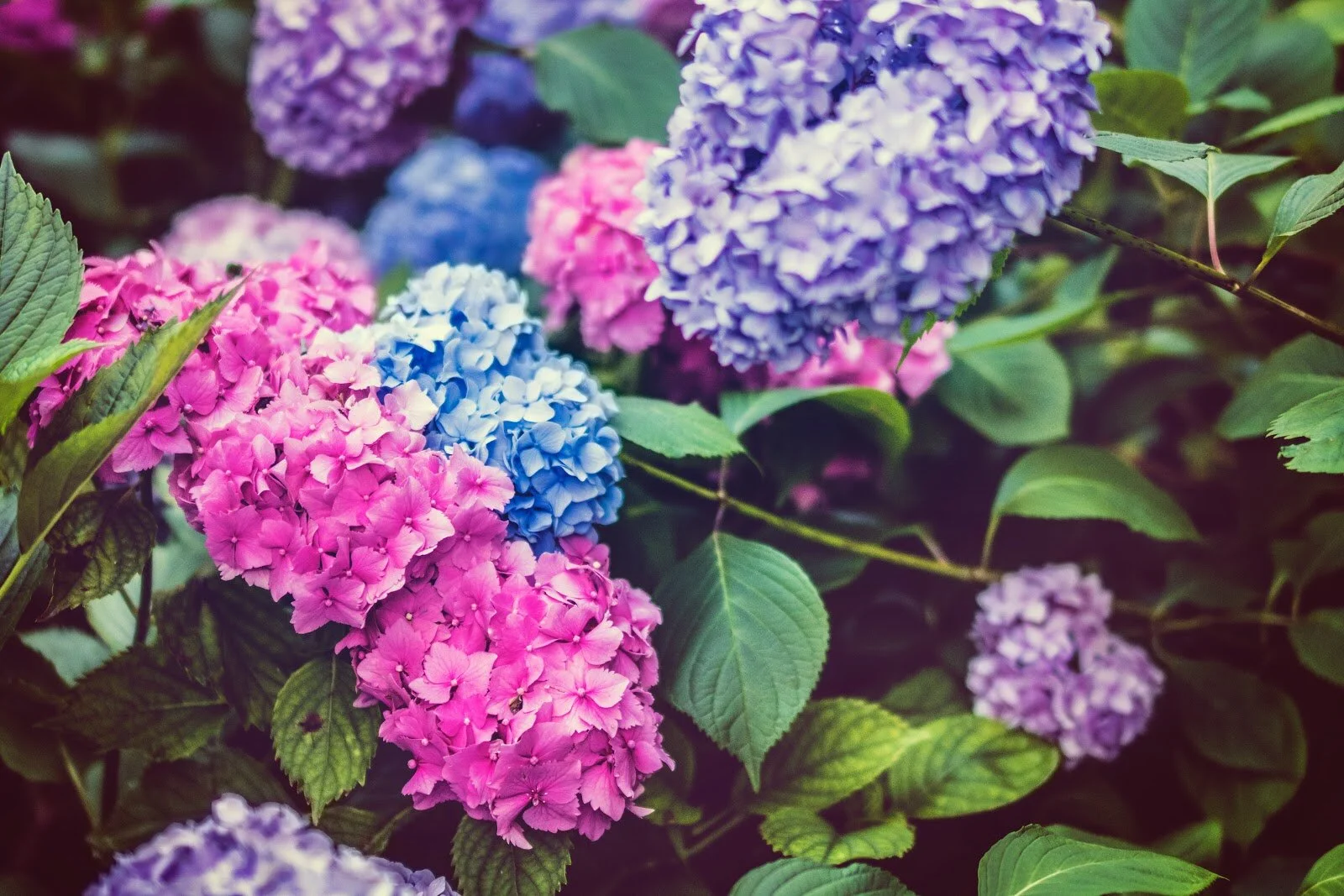
Common Hydrangeas in the Seacoast
In many Seacoast gardens, especially older properties in Portsmouth and Rye, you will find bigleaf hydrangeas and mountain hydrangeas. These typically bloom on old wood. They often struggle after harsh winters or heavy pruning because their buds were formed the previous season. Panicle hydrangeas and smooth hydrangeas, on the other hand, bloom on new wood. These are common in North Hampton and Exeter landscapes where homeowners appreciate their reliability. Even after a tough winter, they still flower because they produce buds on fresh growth.
How to Prune Old Wood Hydrangeas
With old wood varieties, restraint is essential. In early spring, resist the urge to cut them back heavily. Instead, wait until you see where new leaves are emerging along the stems.
Remove only dead wood by cutting back to the first set of healthy green buds. If shaping is necessary, do it immediately after the plant finishes blooming in summer. That timing allows the shrub to set new buds for the following year before winter arrives.
In Zone 6b, winter damage can complicate things. Coastal winds in Rye and Portsmouth sometimes cause dieback. Patience in spring helps you see which stems are truly alive before making cuts.
How to Prune New Wood Hydrangeas
New wood hydrangeas are far more forgiving. In late winter or very early spring, before new growth begins, you can prune them back to shape and control size. Many gardeners cut them down to about one third of their height.
This encourages strong new stems that will carry large blooms later in summer. In Exeter and inland areas where growth can be vigorous, annual pruning keeps plants balanced and prevents them from becoming leggy.
The Role of Soil and Mulch
Healthy hydrangeas depend on more than proper pruning. Soil preparation and maintenance play a major role. In sandy Seacoast soils, adding compost improves moisture retention. In heavier soils, organic matter enhances drainage and root health.
A consistent layer of mulch helps regulate soil temperature and conserve moisture during dry spells. Mulching also reduces weed competition around the base of shrubs, allowing roots to access nutrients more efficiently.
Seasonal Timing Matters
In our Seacoast climate, timing is everything. Late winter pruning of new wood varieties works best before buds swell. Old wood types should only be lightly cleaned up in early spring and shaped after bloom.
Avoid heavy pruning in late summer or fall. New growth stimulated too late in the season may not harden off before winter. Proper seasonal timing protects the plant’s structure and next year’s flowers.
Integrating Hydrangeas Into Fine Gardening
Hydrangeas often anchor shrub borders and foundation plantings. Their size and structure influence surrounding perennials and ornamental trees. Thoughtful pruning ensures they complement rather than overpower neighboring plants.
Coordinating hydrangea care with broader shrub care and ornamental tree maintenance keeps your entire landscape balanced. In many Portsmouth and North Hampton properties, we integrate hydrangea pruning into a comprehensive fine gardening plan that includes weeding, mulching, and soil improvement.
Common Mistakes to Avoid
The most common mistake I see is cutting all hydrangeas back the same way. Each variety has its own needs. Another mistake is pruning too early in spring before assessing winter damage.
Overfertilizing can also reduce blooms by encouraging excessive leafy growth. Balanced soil and proper pruning are far more effective than heavy feeding.
Why Professional Guidance Helps
Identifying hydrangea varieties can sometimes be tricky, especially in established gardens where labels are long gone. A professional pruning service understands the differences and adjusts techniques accordingly.
In Seacoast landscapes exposed to salt air, wind, and fluctuating winter temperatures, experience matters. Careful pruning supports stronger stems, better airflow, and more abundant flowering year after year.
Hydrangeas That Thrive Year After Year
When pruned correctly, hydrangeas become one of the most dependable and beautiful shrubs in your landscape. They reward thoughtful care with generous blooms that brighten gardens from Portsmouth to Southern Maine.
If you are unsure whether your hydrangea blooms on old wood or new wood, or if you would like help maintaining healthy, well shaped shrubs, Expert Pruning is here to serve. We provide professional pruning, shrub care, ornamental tree maintenance, mulching, and fine gardening services throughout Portsmouth, Rye, Exeter, North Hampton, and the surrounding Seacoast of New Hampshire and Southern Maine.
With the right timing and local expertise, your hydrangeas can flourish for decades. Let Expert Pruning help you care for them with precision, knowledge, and the attention your garden deserves.
