

Pruning Roses for Late-Summer Blooms in Hampton
Pruning Roses for Late-Summer Blooms in Hampton
There's a certain magic to a rose garden in late summer. The frantic energy of June has settled, the first big flush of blooms is behind us, and the plants are ready to be coaxed into one more glorious show before fall arrives. Here on the Seacoast, that late-season encore is well within reach if you know how to guide it.
I've tended roses across Greenland and the surrounding Seacoast for many years, and I'll tell you plainly: late-summer pruning is one of the most rewarding things you can do for these plants. A few thoughtful cuts now can mean armfuls of blooms come September. Let me walk you through how to get there.
Why Late Summer Is the Right Moment
By August, most repeat-blooming roses have spent their energy on that first heavy round of flowers. Left unattended, they tend to sprawl, set hips, and slow their production. A well-timed trim redirects that energy back into fresh growth and new buds.
In our Zone 6b climate, this window is precious. We want to encourage a final flush while still leaving the plant enough time to harden off before frost. Prune too late, and you'll push tender growth that won't survive our first cold snap. The sweet spot on the Seacoast generally falls in the first half of August, occasionally stretching into the third week depending on the season.
Knowing Your Rose Type
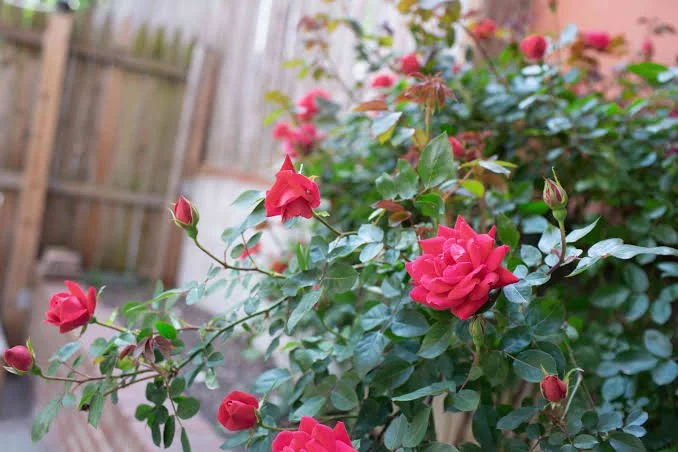
Not every rose wants the same treatment, and this is where a little knowledge saves you a lot of grief. Repeat-blooming varieties, like many modern shrub roses, floribundas, and hybrid teas, respond beautifully to a late-summer trim. These are the plants that reward you with a second act.
Once-blooming heritage and climbing roses are a different story. They set next year's flowers on old wood, so heavy summer cutting will cost you next June's display. If you're unsure which type you have, err on the side of a light hand until you can identify it. When in doubt, remove less.
Deadheading With Purpose
The simplest and most effective step is deadheading, and late summer is when it matters most. Rather than snipping just below the spent bloom, cut back to the first set of five leaflets facing outward from the center of the plant. This encourages a strong new shoot to grow outward, opening up the plant's structure.
Use clean, sharp bypass pruners and make your cut at a slight angle just above that leaf node. Ragged cuts from dull blades invite disease, and in our humid coastal summers, disease pressure is already high enough. A good tool is worth every penny.
Shaping and Airflow on the Coast
Beyond deadheading, take a moment to shape the plant and open its center. Remove any crossing branches, dead canes, and weak, spindly growth that crowds the interior. Good airflow is your best defense against the black spot and powdery mildew that thrive in Greenland's salt-laced, humid air.
Our coastal conditions are a double-edged sword. The steady breezes off the water help dry foliage and discourage fungal issues, but the moisture in the air keeps disease lurking. Pruning for openness lets that breeze do its work, moving through the plant rather than around it.
Feeding, Weeding, and Mulching After the Cut
Once you've pruned, give your roses a little support to fuel that late-season push. A light feeding of a balanced or rose-specific fertilizer helps, but stop feeding by late August so you don't encourage growth that can't harden before frost. Water deeply at the base, keeping foliage dry to reduce disease.
Take the same opportunity to weed around the base of each plant and refresh your mulch. Our Seacoast soils, sandy near the water and heavier with clay inland, benefit from two to three inches of mulch to hold moisture and steady the soil temperature. Just keep it pulled back from the canes to prevent rot at the crown.
A Note on Patience
Roses reward attentiveness, but they also reward restraint. Resist the temptation to cut hard this time of year in hopes of a bigger show. Save your major structural pruning for late winter, when the plants are dormant and can heal without stress.
If you tend your roses gently through these final weeks of summer, they'll answer with a display that carries real beauty into the cooler weeks ahead. That late-season bloom, set against the changing Seacoast light, is one of the true pleasures of gardening in our corner of New England.
If your roses could use a skilled hand this season, we'd love to help. At Expert Pruning, we bring a Master Gardener's eye to rose care, shrub care, ornamental trees, weeding, and mulching for gardens throughout Greenland and the wider Seacoast. Reach out today, and let's make sure your roses finish the summer strong and healthy.
Expert Pruning | Location: North Hampton, NH, Serving Seacoast NH and Southern Maine | Contact: info@expertpruning.com, (603) 999-7470
