

When to Prune Spring Flowering Shrubs for Best Results
Timing Is Everything in Seacoast Gardens
Each spring across Portsmouth, Rye, Exeter, and North Hampton, gardens come alive with lilacs, forsythia, azaleas, and other flowering shrubs. After a long Seacoast winter, those blooms feel especially welcome. Yet one of the most common mistakes I see as a Master Gardener in Zone 6b is pruning these shrubs at the wrong time.
The truth is simple. If you prune spring flowering shrubs too early or too late, you may remove the very buds that would have produced this year’s flowers. Understanding bloom timing is the key to maintaining healthy shrubs and enjoying consistent color year after year.
Why Timing Matters for Spring Bloomers
Most spring flowering shrubs bloom on what we call old wood. That means they form their flower buds during the previous growing season, usually in late summer. Those buds sit quietly on the branches through fall and winter, waiting for warmer days.
If you prune heavily in late winter or early spring before bloom, you are likely cutting off those established buds. The result is a healthy looking shrub with little or no flowers. Proper timing protects those buds and ensures a full display.
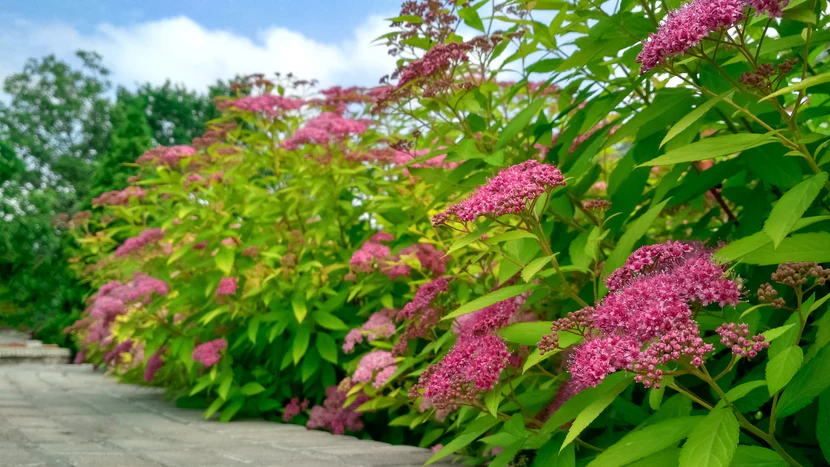
The Golden Rule for Spring Flowering Shrubs
The best time to prune most spring flowering shrubs is immediately after they finish blooming. In the Seacoast region, this often means late May or early June, depending on the variety and local microclimate.
Once the flowers fade, you have a window of opportunity. Pruning at this stage allows the plant to set new buds during summer for the following spring. This simple timing adjustment makes a dramatic difference in bloom performance.
Common Spring Bloomers in Zone 6b
Across Portsmouth and Rye landscapes, lilacs and forsythia are among the most popular spring flowering shrubs. Azaleas, rhododendrons, and certain viburnums are also common in North Hampton and Exeter gardens.
All of these benefit from post bloom pruning. Removing spent flower clusters, thinning crowded branches, and shaping lightly right after flowering encourages strong growth without sacrificing next year’s display.
How to Prune for Health and Structure
When pruning, focus first on removing dead, damaged, or crossing branches. Winter can be harsh in the Seacoast, and early inspection often reveals minor dieback. Clearing out compromised wood improves airflow and reduces disease risk.
Next, thin out older stems at the base if the shrub has become dense or overgrown. This rejuvenation approach encourages fresh shoots and maintains a balanced, open form. Avoid shearing into tight shapes, which can limit light penetration and reduce bloom.
Special Considerations for Coastal Conditions
In coastal areas like Rye and Portsmouth, salt air and strong winds can stress shrubs. Proper pruning helps maintain sturdy branch structure that withstands summer storms. Opening up the canopy also reduces humidity buildup, which can contribute to fungal issues.
Inland areas such as Exeter may experience slightly different soil and drainage conditions. Incorporating compost and maintaining a consistent mulch layer supports healthy root systems that respond well to pruning.
Integrating Pruning with Overall Garden Care
Spring flowering shrubs rarely stand alone in the landscape. They are often planted alongside ornamental trees, perennials, and other shrubs. Coordinating pruning with broader shrub care and ornamental tree maintenance ensures a cohesive and balanced garden design.
After pruning, applying compost around the base and refreshing mulch helps conserve moisture and suppress weeds. Weeding early in the season prevents competition for nutrients and keeps beds looking tidy throughout summer.
When Light Touch Is Best
Not every spring flowering shrub requires aggressive pruning each year. Many perform beautifully with minimal intervention. A light thinning and removal of spent blooms may be all that is needed.
Over pruning can stress the plant and reduce overall vigor. Thoughtful, selective cuts maintain natural shape and preserve the character that makes these shrubs so beloved in Seacoast gardens.
Rejuvenating Overgrown Shrubs
If a shrub has been neglected for years, more substantial rejuvenation may be required. This process involves gradually removing older stems over two to three seasons rather than cutting the entire plant down at once.
Gradual renewal protects bloom potential and reduces shock. In established Portsmouth and North Hampton properties, careful rejuvenation has restored aging shrubs to vibrant health without sacrificing landscape integrity.
Common Mistakes to Avoid
The most frequent mistake is pruning spring bloomers in late fall or early spring before flowering. Another is shearing shrubs into uniform shapes without regard for natural growth habits.
Using dull or unclean tools can also cause unnecessary damage. Clean, sharp pruners make precise cuts that heal quickly and reduce disease risk.
Why Professional Timing Matters
Understanding bloom cycles, local climate patterns, and plant health requires experience. In Zone 6b, where weather can shift quickly from cold snaps to early warm spells, timing adjustments are sometimes necessary.
At Expert Pruning, we tailor pruning schedules to each property in Portsmouth, Rye, Exeter, North Hampton, and throughout the Seacoast of New Hampshire and Southern Maine. Our approach combines careful observation with proven horticultural practices.
If you want your lilacs, forsythia, azaleas, and other spring flowering shrubs to perform at their best, proper timing is essential. Expert Pruning provides professional pruning, shrub care, ornamental tree maintenance, mulching, and fine gardening services designed for long term plant health.
With knowledgeable care and precise timing, your spring flowering shrubs can reward you with abundant blooms year after year. Let Expert Pruning help you maintain a landscape that thrives beautifully in every season.
