

Summersweet Pruning Guide
The native that spreads by design — managing the colony without killing the drama
Right Plant for the Wet Place
Summersweet solves the soggy corner every property seems to have
Summersweet (Clethra alnifolia) is the native shrub that belongs in the wet, poorly drained spots where most landscape plants sulk, yellow, and die. Rain gardens, downspout runoff zones, low spots along driveways, the damp edge of a seasonal stream, the shady swale behind the garage — clethra doesn't just tolerate these conditions, it genuinely thrives in them. The roots are adapted to periodic standing water that would rot a boxwood, spirea, or arborvitae in a single season. If you have a problem spot that stays wet through spring and after heavy rains, clethra is almost certainly the answer before you start thinking about drainage.
And it's far more than a utility plant for difficult sites. The fragrance from its white or pink bottle-brush spikes in July and August is one of the best in the summer garden — sweet, spicy, and strong enough to carry across a patio on a warm evening. Bees and butterflies cover the flowers. Fall color is a clean golden-yellow. It's native from Maine to Florida, deer-resistant, non-invasive by seed, and hardy well through Zone 4. The only management challenge is the same one fothergilla and inkberry present: suckering underground runners that spread the colony, and a tendency toward leggy, open growth when not pruned to maintain density.
Need an experienced hand with your summersweet? Call Expert Pruning at (603) 999-7470.
Our Master Gardener-led team sites clethra where it performs its best and prunes it for the thick, full-bodied form that makes it look intentional rather than weedy — the difference between a composed garden shrub and a scraggly native that got away from you.
Where to Plant It
Matching clethra to the conditions it was built for
Moisture: Summersweet performs best in consistently moist to wet soil. It handles seasonal flooding, high water tables, clay that holds water, and rain garden basins. It also grows perfectly well in average garden soil with regular moisture — it doesn't need a swamp, just doesn't mind one. The only condition it dislikes is chronic drought on fast-draining sand without supplemental water. On the sandy soils common along the Seacoast from Rye through North Hampton, plant it in the lowest-lying area of the bed or provide consistent summer irrigation.
Light: Full sun to part shade. Six or more hours of direct sun produces the most compact growth, the heaviest flowering, and the best golden fall color. Four hours of sun produces a good plant that blooms well. Deep shade (under two hours) results in sparse, leggy growth with few flowers — clethra tolerates shade far better than most shrubs, but the thick, full form that looks best requires more light than the darkest corners provide.
Soil pH: Acidic to neutral (4.5-6.5). The naturally acidic soils throughout coastal New Hampshire are ideal without amendment. Clethra struggles in alkaline conditions above pH 7.0, showing chlorosis similar to blueberry. No amendment needed on most Seacoast properties.
Pruning for Thick, Dense Plants
The system that builds interior growth instead of hollow shells
♦ Annual Renewal and Heading (March)
Summersweet blooms on new wood — current-season growth — so late-winter pruning enhances rather than sacrifices flowering. This is a significant advantage: you can prune hard in March with zero risk to the summer bloom, and the vigorous new shoots that follow carry the heaviest flower spikes.
Step 1 — Remove the oldest canes: Cut two to three of the thickest, tallest, most bare-legged stems at ground level. These are the canes that have lost their lower foliage and carry leaves only at the top — they're consuming root energy but contributing little to the plant's density or appearance. Removing them opens the interior to light and makes room for new basal growth that will be leafy from the ground up.
Step 2 — Head back tall remaining stems: Reduce the tallest remaining canes by one-third, cutting to outward-facing buds or strong laterals. This is the step that builds compactness. Each headed stem responds by pushing multiple lateral branches below the cut, thickening the canopy where it matters — in the middle and lower zones of the plant where unpruned summersweet tends to go bare. The result after a full growing season is a shrub that's dense and full from 12 inches above the ground to the top, not a leggy collection of stems with a tuft of foliage at shoulder height.
Step 3 — Thin weak interior growth: Remove any stems thinner than a pencil, any crossing or rubbing branches, and any dead wood. Don't over-thin — the goal is a thick interior, not an open vase. Remove only what's genuinely weak or congested enough to block light from reaching lower branches. Summersweet that's properly headed and renewed each year develops a remarkably dense canopy that blooms from knee height to the tips.
♦ Sucker Management (March or Fall)
Clethra spreads through underground runners, slowly but persistently. The containment protocol is identical to fothergilla: cut emerging suckers beyond the intended boundary at ground level, sever the underground runners with a sharp vertical spade cut along the bed edge, and repeat annually. A buried root barrier (10-12 inches deep) provides permanent containment on properties where annual patrol isn't practical. Suckers within the intended footprint are welcome — they become new canes that thicken the colony from the inside and replace the old stems you're removing each year.
🛠️ Hard Renovation for Neglected Plants (March)
Summersweet that's gone years without pruning — tall, leggy, bare-legged, with all the foliage and flowers at the top of 6-8 foot stems — can be cut to 6-12 inches above ground with a 90%+ success rate. New growth emerges quickly from the crown and remaining stubs. Because clethra blooms on new wood, a hard-renovated plant typically flowers the same season, though the display is lighter than a mature bush. By year two, the framework is rebuilt. By year three, you have a thick, full plant blooming heavily at the height you want.
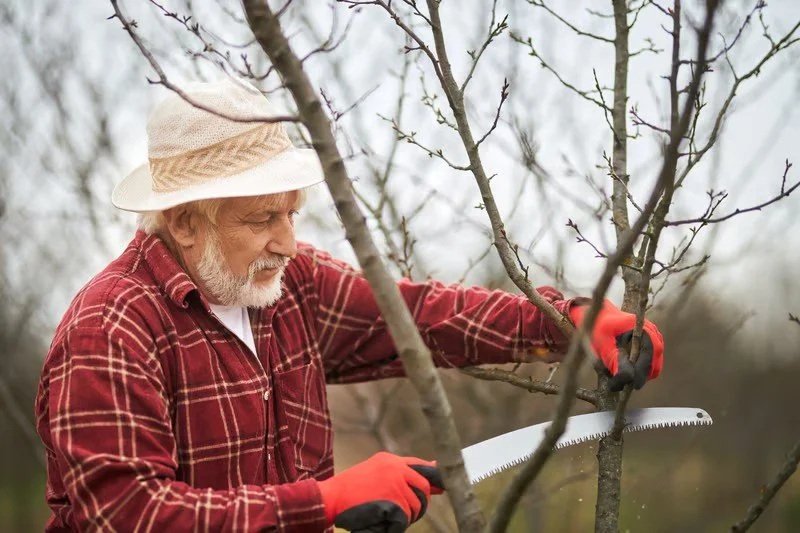
Tools: Hand pruners for annual heading cuts and thin stems. Loppers for removing old canes at ground level (1-2 inch diameter). Sharp spade for underground runner management. Pruning saw only for hard renovation of thick old trunks on neglected specimens.
Varieties for the Seacoast
Size and flower color — choose compactness at the nursery and you'll prune less forever
'Hummingbird' is the default recommendation for Seacoast foundation and border plantings — naturally compact at 3-4 feet, dense habit that responds beautifully to the annual heading protocol, and moderate suckering that's easy to manage. 'Ruby Spice' is the choice when you want the deep pink flower color that no other native delivers in July, but expect a larger plant that needs more aggressive heading to stay compact. The straight species is a fine plant for rain gardens, naturalized wet areas, and screening where 5-8 feet of height and unchecked suckering are assets rather than problems.
| Variety | Size | Character & Notes |
|---|---|---|
| 'Hummingbird' | 3-4 ft × 4-5 ft | The compact standard; white flowers; dense naturally; least pruning needed; best for foundations |
| 'Sixteen Candles' | 3-4 ft × 3-4 ft | Upright compact; white; heavy upright flower spikes; very tidy habit |
| 'Ruby Spice' | 4-6 ft × 4-5 ft | Deep pink flowers (true pink, not faded); most colorful; needs more size management |
| 'Vanilla Spice' | 3-6 ft × 3-5 ft | Extra-large white flower spikes; strong fragrance; moderate size; very showy |
| Species (C. alnifolia) | 5-8 ft × 4-6 ft | Full-size native form; white; vigorous suckering; best for naturalized plantings, not foundations |
Density and Placement FAQ
Building thick shrubs in the wet spots
-
This is the most common clethra complaint, and it results from years of no heading cuts. The stems grew taller each year without being forced to branch lower, so the foliage and flowers migrated upward while the base went bare. Two options: staged renovation (head back half the stems by one-third to one-half this March, the rest next March, building lower branching over two seasons) or complete renovation (cut everything to 6-12 inches and rebuild from scratch). Either way, commit to the annual heading protocol afterward — without it, the leggy pattern restarts within three to four years.
-
It will survive but won't thrive, and the maintenance burden shifts from pruning to watering. Summersweet on well-drained sandy soil in full sun needs consistent supplemental irrigation through summer — one to two inches per week — or it shows stress through wilting, leaf scorch, and reduced flowering. It's a genuinely better plant in moist to wet conditions, and trying to force it into a dry site means fighting the plant's nature year after year. For dry sunny positions, choose ninebark, spirea, or bayberry instead, and save clethra for the wet spot where those plants would fail.
-
Three factors in priority order. First, full sun — six or more hours produces the most naturally compact, densely branched growth. Second, the annual heading protocol — cutting the tallest stems back by one-third every March forces multiple lateral branches at each cut point, compounding density through the middle and lower canopy over successive years. Third, choose a compact variety ('Hummingbird' or 'Sixteen Candles') rather than the full-size species — genetics set the upper limit on how dense the plant can become. A 'Hummingbird' in full sun with annual heading develops into one of the thickest, most flower-heavy shrubs in the Seacoast landscape.
July Fragrance from the Spot Nothing Else Would Grow
Whether you need a wet-site planting designed, neglected summersweet renovated, or the annual heading protocol that builds the thick, full form this shrub is capable of, we know how to make clethra look intentional.
Contact Us