

How to Prune Ornamental Maples Without Stressing Them
How to Prune Ornamental Maples
Ornamental maples are some of the most beautiful trees found in Seacoast landscapes. From Japanese maples tucked into sheltered gardens to ornamental varieties framing walkways in Portsmouth, Rye, and Exeter, these trees bring color, structure, and elegance year round. They are also sensitive, and improper pruning can quickly turn a healthy tree into a stressed one. As a Master Gardener working in Zone 6b, I often remind homeowners that pruning ornamental maples is less about cutting and more about timing, restraint, and understanding how the tree grows. When pruning is done correctly, maples respond with balanced growth and vibrant foliage. When done incorrectly, they may struggle for years.
Understanding How Ornamental Maples Grow
Ornamental maples have a naturally graceful structure. Their branching pattern is layered and delicate, which is part of their appeal. Unlike shade trees that tolerate heavier pruning, maples prefer minimal, thoughtful cuts. These trees move sap early in the season. In the Seacoast climate, where winter temperatures fluctuate and soils can warm quickly, sap flow often begins sooner than expected. This makes pruning timing especially important for homeowners in coastal towns like North Hampton and Hampton Falls.
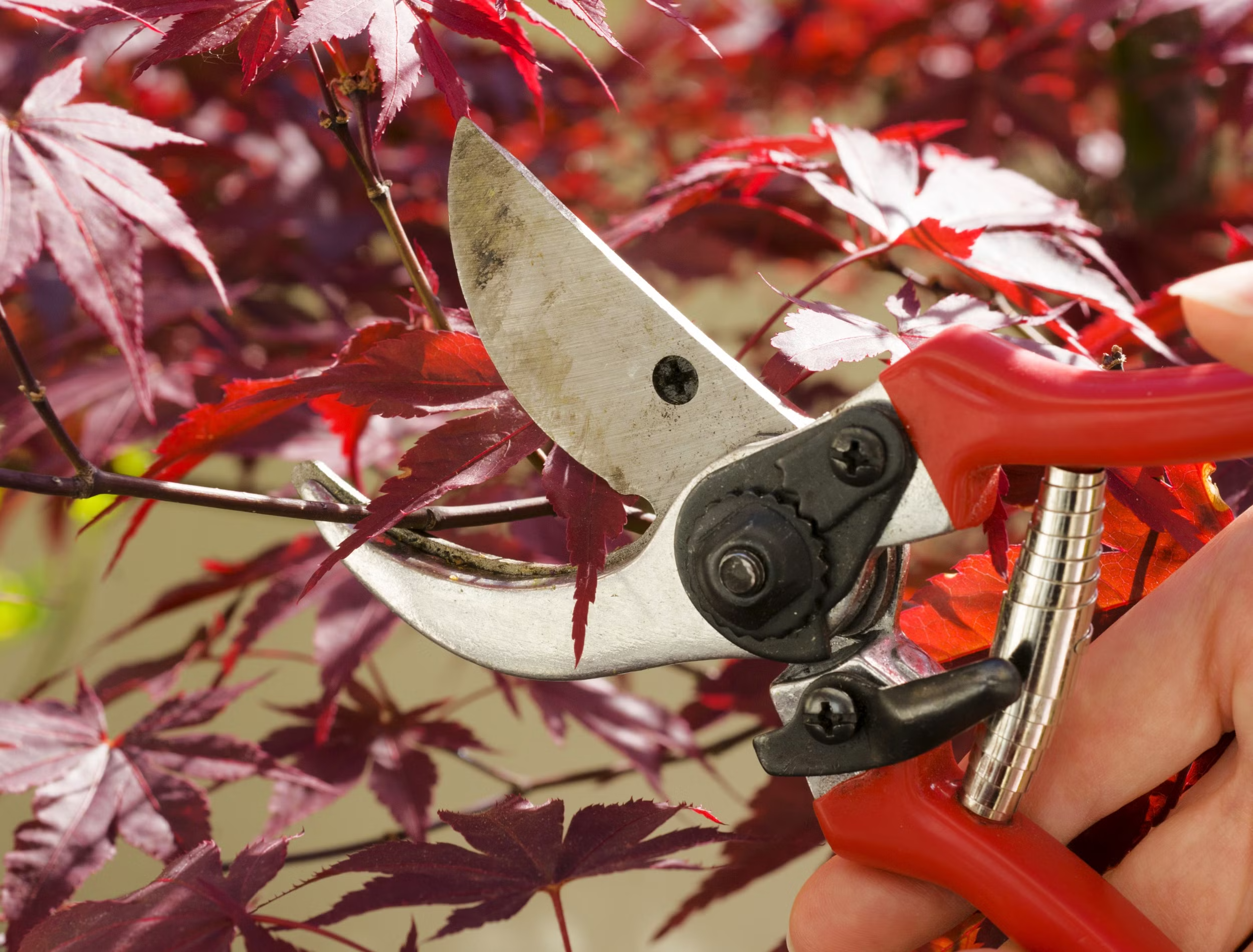
Why Timing Matters So Much for Maples
One of the biggest mistakes homeowners make is pruning maples too late in winter or early spring. When sap is actively moving, pruning can cause excessive bleeding. While sap loss rarely kills a tree, it does create stress and weakens the plant. Late summer and early fall pruning should also be avoided. At that time, trees are storing energy for winter, and cuts can interfere with that process. The safest window for ornamental maple pruning is during full dormancy, typically in mid to late winter before sap flow increases.
February Pruning and the Seacoast Advantage
February is often ideal for pruning ornamental maples in Zone 6b. Trees are fully dormant, pests are inactive, and the branch structure is easy to see without leaves. This is especially helpful in Seacoast gardens where tight planting spaces require careful shaping. Dormant season pruning allows cuts to remain clean until spring growth begins. Once temperatures rise, the tree seals wounds naturally and directs energy into healthy new growth rather than emergency repair.
What to Remove and What to Leave
When pruning ornamental maples, less is almost always more. Start by removing dead, damaged, or diseased branches. These are easy to identify in winter and should always be addressed first. Next, look for crossing or rubbing branches. These create wounds that invite disease and weaken the tree over time. Avoid removing large, healthy limbs unless absolutely necessary, as ornamental maples do not respond well to heavy structural cuts.
Maintaining the Natural Shape
One of the goals of fine gardening is to work with a plant’s natural form rather than forcing it into an artificial shape. Ornamental maples should never be topped or sheared. Doing so destroys their structure and causes erratic, weak regrowth. Instead, selective thinning maintains the tree’s layered appearance. Each cut should have a purpose, improving airflow, balance, or visibility while preserving the tree’s natural elegance.
Soil Health and Post Pruning Care
Pruning does not happen in isolation. Soil health plays a major role in how well ornamental maples recover. Many Seacoast properties have sandy or well drained soils that benefit from organic matter. After pruning, mulching helps regulate soil temperature and retain moisture as roots become active in spring. Mulch should be kept a few inches away from the trunk to prevent rot. Combined with proper pruning, this supports long term tree health.
Common Mistakes That Stress Maples
Over pruning is one of the most damaging mistakes. Removing too much canopy forces the tree to push out fast, weak growth that is vulnerable to sunscald and winter damage. This is often seen when homeowners try to reduce size rather than manage structure. Improper cuts are another issue. Cutting flush against the trunk or leaving long stubs interferes with the tree’s natural healing process. Clean, well placed cuts are essential for ornamental trees.
How Shrub Care and Weeding Fit In
Ornamental maples are often planted among shrubs and perennial beds. Regular shrub care and weeding reduce competition for water and nutrients. This is especially important in spring when roots are actively growing. A well maintained garden bed allows the maple to focus energy on healthy leaf and branch development rather than survival. Fine gardening is about supporting the entire ecosystem around the tree.
When to Call a Professional
Many homeowners are comfortable making small cuts but hesitate when the tree is mature or structurally complex. That hesitation is wise. Ornamental maples can be unforgiving when pruned incorrectly. Professional pruning takes into account tree age, species, soil conditions, exposure, and long term growth patterns. In towns like Portsmouth and Exeter, where landscapes often combine mature trees with tight spaces, experience matters.
A Gentle Approach That Pays Off
Pruning ornamental maples should never feel rushed. Thoughtful timing and minimal intervention protect the tree’s health while enhancing its beauty. When done properly, pruning reduces future maintenance and helps the tree age gracefully. Expert Pruning is here to help homeowners make confident, informed decisions about their ornamental trees. With deep knowledge of Seacoast conditions and a fine gardening approach, Expert Pruning provides careful, seasonally timed pruning that supports healthy landscapes across New Hampshire and Southern Maine.
