

How to Revive Ornamental Trees With Midseason Pruning in Stratham
How to Revive Ornamental Trees With Midseason Pruning in Stratham
There's a moment in midsummer when you really see your ornamental trees. The spring bloom is long past, the canopy has filled in, and any trouble the tree has been hiding starts to show. A dogwood looks tired, a Japanese maple has a dead limb reaching through the foliage, a crabapple is crowded and shading itself. Here on the Seacoast, midseason is often when these small problems become visible, and thankfully, it's also a fine time to address many of them.
I've cared for ornamental trees across Stratham and the surrounding towns for many years, and I've learned that a thoughtful midseason touch can revive a struggling specimen without the shock of heavy cutting. The trick is knowing what to remove now and what to save for winter. Let me walk you through it.
Why Midseason Pruning Has Its Place
Most of us think of tree pruning as a dormant-season job, and for structural work, that's true. But midsummer offers something dormancy can't: you can see exactly how the tree is growing, where it's stressed, and which limbs are dead or diseased. That visibility makes midseason an excellent time for targeted, corrective work.
In our Zone 6b climate, ornamental trees push hard in the warm months, and some of that growth is unruly or unhealthy. Removing the right pieces now redirects the tree's energy where it belongs. The key is restraint, taking out problems rather than reshaping the whole tree.
Start With the Dead, Damaged, and Diseased
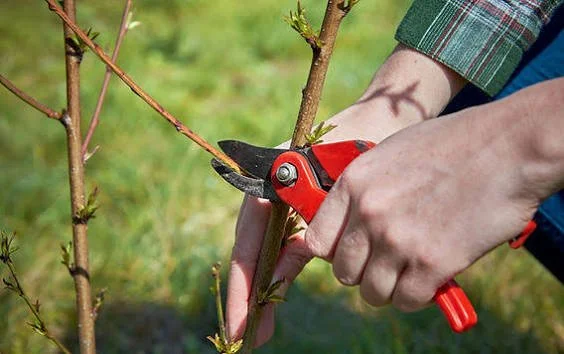
The safest and most valuable midseason cuts are what I call the three D's: dead, damaged, and diseased wood. These limbs serve no purpose and can actively harm the tree, inviting pests and pathogens or breaking free in a storm. Removing them is beneficial in any season, including the heat of summer.
Look for branches with no leaves, bark that's split or peeling from injury, and any foliage showing signs of fungal trouble. Our humid coastal air keeps disease pressure high, so clearing out affected wood improves airflow and slows the spread. Make clean cuts just outside the branch collar, that slightly swollen ring where the limb meets the trunk, so the tree can seal the wound properly.
Opening the Canopy for Light and Air
Once the three D's are handled, look at how light and air move through the tree. Crossing branches that rub against one another create wounds, and a dense, crowded interior traps moisture. Thinning select branches opens the canopy, letting sunlight reach the inner leaves and breezes move through.
This matters especially on the Seacoast, where Stratham's humid summers and salt-tinged air can encourage mildew and leaf spot. A well-thinned dogwood or serviceberry dries faster after morning fog and summer rain, which keeps it noticeably healthier. Remove no more than you must, though, since heavy thinning in summer stresses the tree.
Knowing When to Stop
Here's where a careful hand matters most. Midseason is for corrective and health-focused pruning, not major structural reshaping. Removing too much foliage in the growing season robs the tree of the energy it's actively producing, and it can trigger tender new growth that won't harden before frost.
As a general rule, keep summer pruning light, no more than you need to solve the problem in front of you. If a tree needs significant structural work, thinning a major portion of the canopy or reducing its height, save that for late winter dormancy. The tree will handle it far better when its energy is stored and its systems are at rest.
Caring for the Tree After You Prune
A freshly pruned tree benefits from a little support, particularly during a dry Seacoast August. Water deeply at the base during hot, dry stretches, encouraging roots to grow downward rather than staying shallow. Early morning watering gives the foliage time to dry and reduces disease pressure.
Take the chance to weed around the base and refresh the mulch as well. Our Seacoast soils, sandy near the water and heavier with clay inland, benefit from two to three inches of mulch to hold moisture and moderate soil temperature. Keep it pulled back from the trunk in a ring, never piled against the bark, to prevent rot and discourage pests.
Reading the Long View
Reviving an ornamental tree is rarely the work of a single afternoon. Often it's a matter of light corrective pruning now, careful observation through the season, and a plan for more substantial work come winter. A tree that looks tired in July can be well on its way back to health by the following spring with the right sequence of care.
That patience is what separates lasting tree health from a quick trim. Ornamental trees are long-term residents of our gardens, and they reward those who tend them with an eye toward the years ahead.
If one of your ornamental trees looks like it could use a knowledgeable hand this summer, we'd be glad to help. At Expert Pruning, we bring a Master Gardener's eye to ornamental tree care, shrub care, pruning, weeding, and mulching for gardens throughout Stratham and the wider Seacoast. Reach out today, and let's bring your trees back to health and beauty.
Expert Pruning | Location: North Hampton, NH, Serving Seacoast NH and Southern Maine | Contact: info@expertpruning.com, (603) 999-7470
