

How to Prune Back Ornamental Grasses for Autumn
How to Prune Back Ornamental Grasses for Autumn
There's something wonderful about walking past a stand of ornamental grass in late September, the way it catches the light and sways in that first cool breeze off the water. But if you've been gardening on the Seacoast for a while, you also know these grasses have their own particular rhythm, and pruning them at the wrong time can undo a whole season of good looks. Getting the timing and technique right is simpler than it seems, and it makes a real difference in how your garden carries itself through winter.
Why Ornamental Grasses Are Different
Unlike shrubs or perennials, most ornamental grasses actually want to be left standing well into the cold months. Their seed heads and dried blades provide winter interest, catch snow beautifully, and give shelter to overwintering beneficial insects. The pruning question isn't really about autumn at all, it's about knowing what to do now so you're set up correctly for late winter.
That said, early fall is exactly the right moment to walk your beds and assess. Our humid Zone 6b summers push grasses like miscanthus, switchgrass, and feather reed grass into vigorous growth, and by September many clumps have flopped open in the middle or started shedding blades onto the lawn. A little tidying now keeps things looking intentional rather than unkempt.
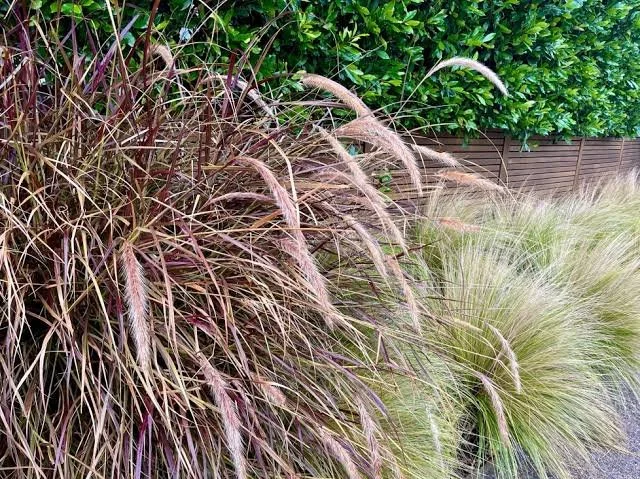
What to Do Now, and What to Wait On
The main rule of thumb for cool-season and warm-season ornamental grasses alike is to hold off on the hard cutback until late winter or very early spring, ideally just before new growth emerges. Cutting a grass back hard in September removes the very foliage that protects the crown through our damp, freezing Seacoast winters, and it takes away all that lovely texture right when the rest of the garden is going quiet.
What you can do right now is a light grooming pass. Reach into the clump and pull or snip out any blades that have already browned and died at the base, and trim away flower stalks that have gone unattractively floppy. This isn't a haircut, it's more like combing out the tangles, and it keeps air moving through the center of the clump.
Dividing Overgrown Clumps
If a grass has outgrown its space or developed that telltale dead, hollow center, early fall is actually a fine window for division, done carefully. Dig the whole clump, slice it into sections with a sharp spade, and replant the healthiest outer portions while there's still enough warm soil left for roots to settle in before frost. Avoid dividing right up against a hard freeze, since the plant needs a few weeks to reestablish.
Soil here along the Seacoast tends to run on the heavier, clay-influenced side in spots, so when you replant divisions, work in some compost to improve drainage around the new roots. Grasses are forgiving, but soggy fall soil around a freshly cut crown is an invitation for rot.
Mulching for Winter Protection
Once you've groomed and divided what needs it, a modest layer of mulch around the base of each clump helps regulate soil temperature through our freeze-thaw cycles. Two to three inches is plenty, and as always, keep it pulled back slightly from the crown itself rather than piled directly against it. This is a small step homeowners often skip, but it noticeably improves how well grasses bounce back in spring.
Weeding at the same time matters more than people expect. Weeds competing at the base of a grass clump through fall pull moisture and nutrients the plant needs to harden off properly before winter, so a clean bed going into the cold months sets everything up for a stronger spring flush.
Timing It for Our Climate
Here on the Seacoast, aim to do this light grooming and any necessary division in the first few weeks of September while soil is still workable and warm. Save the dramatic cutback, chopping the whole clump down to four or five inches, for late February or March, right before you see the first hint of green at the base. Cutting too early in fall sacrifices winter beauty, and cutting too late in spring risks damaging new shoots.
A Little Guidance Goes a Long Way
Ornamental grasses are wonderfully low maintenance, but knowing exactly when to groom, when to divide, and when to hold off on the big cutback is the kind of detail that separates a garden that merely survives winter from one that looks intentional through every season. If your Rye property has grasses that need an experienced hand this fall, or you'd simply rather have a professional handle the timing, we'd be glad to help. Reach out to Expert Pruning and let's get your garden ready for the season ahead.
