

Pinching Back Annuals and Perennials for Fuller Growth | Expert Pruning | Rye NH
Pinching Back Annuals and Perennials for Fuller Growth
There is a moment every late May and early June when the garden looks almost too good to touch. The annuals you just planted are standing upright and optimistic, the perennials are pushing strong new growth, and everything feels like it is heading in the right direction. This is exactly the right moment to pinch, and most gardeners either do not know it or talk themselves out of it.
Pinching is one of the most underused techniques in home gardening, and it costs nothing but a few minutes and a willingness to remove growth that looks perfectly healthy. Done well, it redirects the plant's energy from one tall central stem into multiple branching shoots, which means more flowers, a fuller silhouette, and a plant that holds up better through the heat and wind of a Seacoast summer.
What Pinching Actually Does
When you remove the growing tip of a stem, you interrupt the plant's natural tendency toward vertical growth, a process driven by a hormone called apical dominance. With the tip gone, the lateral buds along the stem wake up and begin pushing outward. Instead of one stem with one flower at the top, you get three or four stems each carrying their own bloom.
This is not complicated plant science, but understanding it helps you pinch with confidence rather than hesitation. You are not harming the plant. You are redirecting it toward a habit that will serve both the plant and your garden design far better through the coming months.
Which Plants Respond Best
In Rye gardens, the annuals that respond most dramatically to pinching include basil, zinnias, petunias, impatiens, coleus, and snapdragons. These are plants that naturally want to run upward and bolt to flower as quickly as possible. One early pinch sets them on a much better path for the whole season.
Among perennials, the technique works beautifully on salvia, phlox, asters, mums, and tall sedums like Autumn Joy. For these plants, pinching in late spring delays bloom slightly but produces a fuller, more structurally sound plant that will not flop or split open at the center when it reaches full height. In Zone 6b, where summer storms can arrive fast off the water, that structural integrity matters.
How to Pinch Correctly
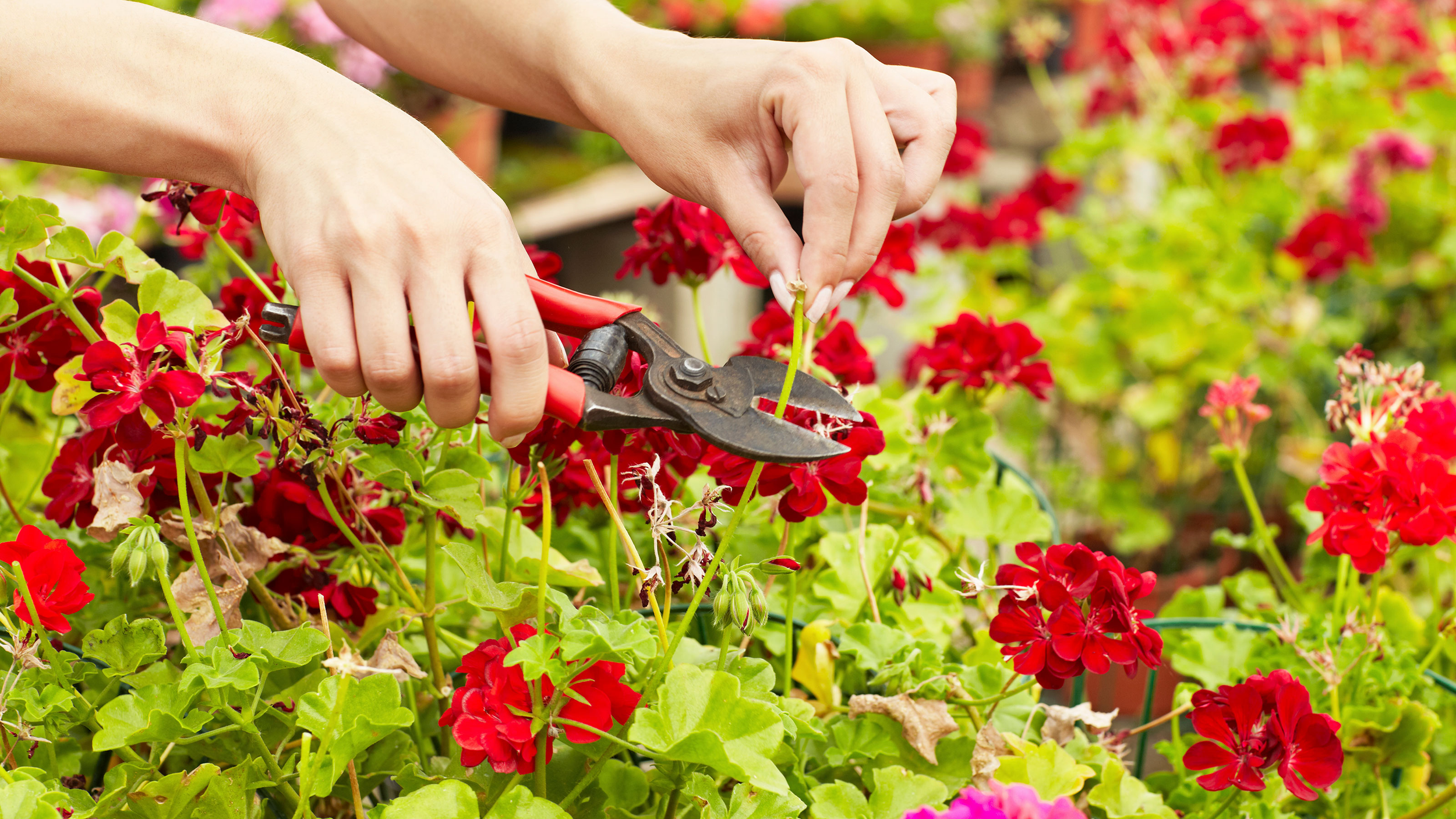
The mechanics are simple. Using your thumb and forefinger or a clean pair of snips, remove the top one to two inches of each stem just above a leaf node, which is the point where a leaf or pair of leaves attaches to the stem. You will see small lateral buds at that node, and those are exactly what you are trying to activate.
For most annuals, one pinch early in the season is enough to set a good branching habit. For taller perennials like phlox and asters, you can pinch two or even three times between late May and mid June, stopping by the end of June so the plant has time to develop and mature its buds before it needs to bloom. Pinching after early July on fall bloomers risks delaying them past their natural season.
A Few Plants to Leave Alone
Not every plant benefits from pinching, and it is worth knowing the exceptions. Delphiniums, foxglove, liatris, and most bulb foliage should not be pinched, as these plants rely on a single central spike for their flowering habit and do not branch in the same way. Ornamental grasses and most woody shrubs are also outside the scope of this technique entirely.
If you are unsure whether a plant in your Rye garden is a good candidate, the safest question to ask is whether it naturally produces multiple stems and flowers or whether it blooms once on a single upright spike. Multi-stemmed, bushy growers respond well. Single-spike bloomers do not.
Keep the Rest of the Plant Healthy
Pinching works best when the plant underneath it is well set up for the season. That means good soil contact, consistent moisture during establishment, and a two to three inch layer of mulch to buffer against the fast-draining, sandy soils common throughout the Seacoast. A plant that is already stressed from drought or poor establishment will not branch out vigorously after pinching the way a well-rooted, well-watered plant will.
This is also a good moment to clear out any early weeds competing for moisture and nutrients at the root zone. Weeding and mulching alongside your pinching work sets the whole bed up for a stronger, cleaner summer.
When the Garden Needs More Than Pinching
If your beds are overgrown, your shrubs are outcompeting your perennials, or your foundation plantings have gotten ahead of the garden's overall composition, pinching annuals is only one piece of the picture. At Expert Pruning, we work with homeowners throughout Rye and across the Seacoast to bring clarity, structure, and seasonal care to gardens of every size. From shrub pruning and ornamental tree work to weeding, mulching, and full bed renovation, we bring the same careful, plant-first thinking to every property we visit.
If your garden is ready for a more attentive hand this season, we would love to hear from you.
Contact Expert Pruning
info@expertpruning.com (603) 999-7470
Serving Rye and the greater Seacoast of New Hampshire and Southern Maine.
