

How a Well-Timed Cut Keeps Your Garden Blooming All Summer
There is a moment in early summer when a garden looks like it has done its job. The catmint is fading, the salvias are dropping their spent spikes, and the Shasta daisies are starting to look tired. For a lot of homeowners, this is the point where things get a little discouraging. But for those who know what to do next, it is actually the beginning of the garden's second act.
Pruning perennials for rebloom is one of the most rewarding skills a home gardener can develop. With the right timing and a confident hand, many of your early-season favorites will send up fresh growth and flower again before the season is out. Here on the Seacoast, where our summers tend to be warm and coastal breezes keep conditions relatively mild, perennials often respond beautifully to a well-placed cut.
Why Cutting Back Actually Works
When a flowering perennial sets seed, it believes its work is done. The plant shifts energy away from producing new blooms and toward developing those seeds. By removing spent flowers before seed set, you interrupt that signal and redirect the plant's energy back into vegetative growth and, eventually, fresh buds.
This is the logic behind deadheading, and it is simple enough to do with a pair of clean hand pruners on a Saturday morning. The key is knowing where to make the cut and how much to remove without stressing the plant. For most perennials, a light touch is all it takes.
Plants That Reward a Second Pruning
Not every perennial reblooms, so it helps to know which ones are worth cutting back. In Zone 6b gardens like those throughout Exeter and the surrounding Seacoast towns, the reliable rebloomers include catmint, salvia, coreopsis, hardy geranium, Shasta daisy, penstemon, and delphinium. These plants have enough stored energy and enough season ahead of them to produce a second flush of flowers if you act at the right moment.
Baptisia and foxglove are worth deadheading even if they do not rebloom heavily, because clean removal of spent stalks keeps the plant looking tidy and encourages stronger foliage through the rest of the season. A tidy plant is a healthier plant, and in a composed garden border, that matters.
How Far to Cut
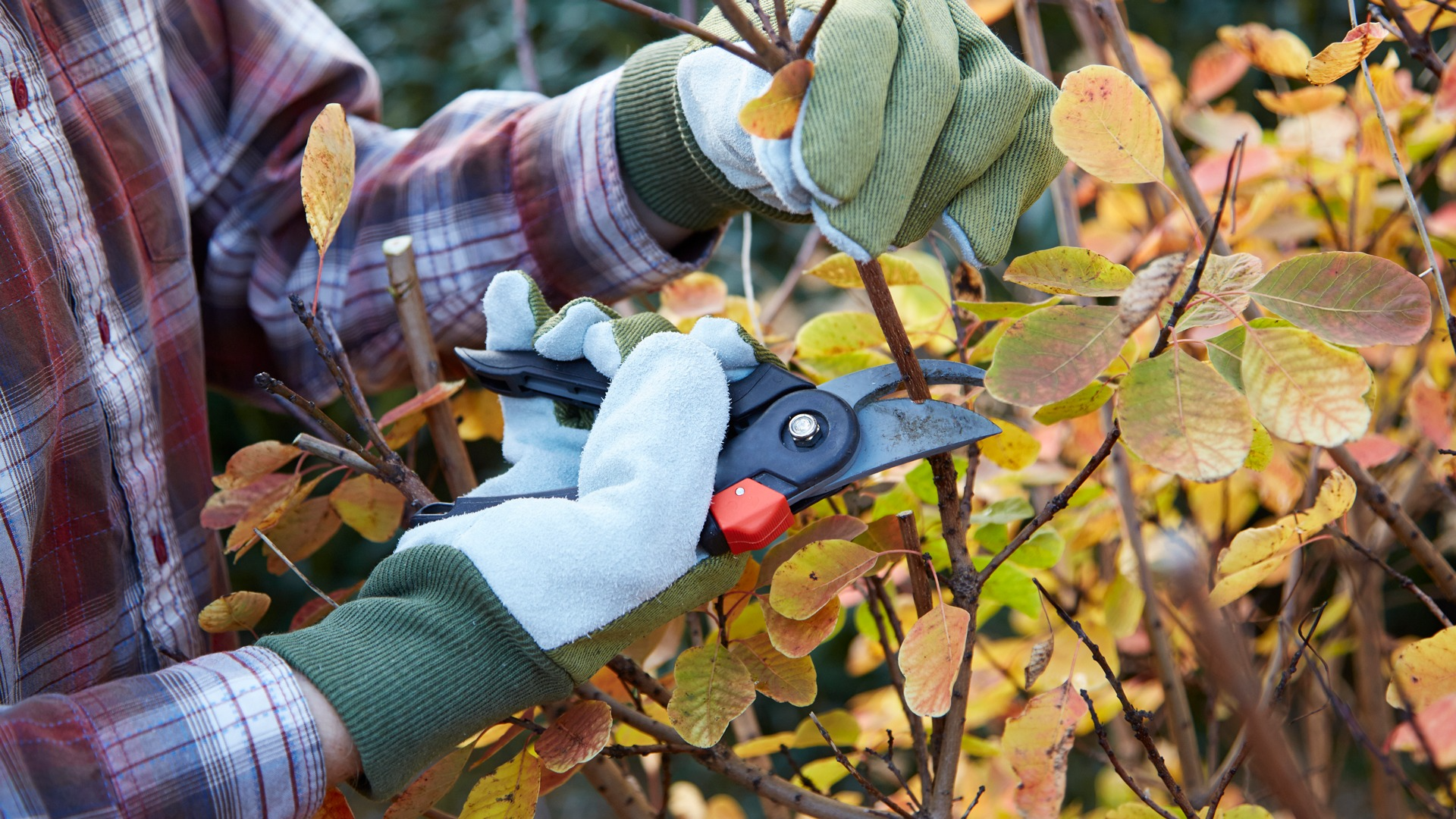
For perennials that are just finishing their first bloom, deadheading means removing the spent flower head back to the nearest set of healthy leaves or a side bud. Do not just snap off the flower itself. Follow the stem down until you reach a point where new growth is already forming, and cut there cleanly with sharp, sanitized pruners.
For perennials that have finished blooming more fully, like catmint or hardy geranium, a harder cut back by one third to one half of the plant's overall height will stimulate a stronger flush of new growth. This technique, sometimes called the Chelsea chop when done in late spring, can be used proactively on certain plants to delay and extend their bloom period into midsummer and beyond.
Timing Matters in Coastal Gardens
On the Seacoast, timing your cutbacks thoughtfully gives you the best results. If you wait too long into July, the plant may not have enough remaining season to form and open new buds before nights begin to cool in September. Aim to complete your major cutbacks by mid to late July at the latest for reliable rebloom.
Our coastal soils, which tend toward sand and drain quickly, also mean that plants here can experience more stress after a hard pruning if moisture is inconsistent. After any significant cutback, water deeply at the base of the plant and apply a layer of compost mulch two to three inches deep to retain moisture and protect roots. This step is often overlooked but makes a real difference in how quickly the plant recovers and pushes new growth.
When to Call in a Professional
Perennial care can grow complex quickly, especially in established mixed borders where plants are layered and overlapping. If your garden is feeling overgrown, out of balance, or simply not performing the way it should, a professional pruning and shrub care visit can reset things and give you a cleaner foundation to work from.
At Expert Pruning, we work with home gardens across the Seacoast, offering seasonal pruning, shrub care, weeding, and mulching services tailored to our local conditions. Whether your perennial borders need a light tune-up or a more thoughtful renovation, we are glad to help you plan it and carry it out with care.
Reach out any time to schedule a consultation or learn more about what we offer.
info@expertpruning.com (603) 999-7470 expertpruning.com
