

Pruning Safety in Winter: Tools, Ladders, and Cold Weather Tips
Pruning Safety in Winter
Winter pruning is one of the most effective ways to support plant health in Seacoast landscapes, but it also comes with added safety considerations. Cold temperatures, icy ground, and heavy clothing can turn routine pruning into a risky task if proper precautions are not taken. As a Master Gardener working in Zone 6b, I always remind homeowners that a safe pruning day is a successful pruning day. Late winter is a valuable season for pruning trees, shrubs, and hedges across Portsmouth, Rye, Exeter, and North Hampton. Plants are dormant, structure is visible, and pests are inactive. Still, winter conditions demand a slower, more thoughtful approach for both people and plants.
Why Winter Pruning Requires Extra Care
Cold weather affects balance, grip, and reaction time. Frozen ground can be uneven or slippery, especially in coastal areas where freeze and thaw cycles are common. Snow melt often refreezes overnight, creating hidden hazards around garden beds and walkways. Heavy winter clothing also changes how we move. Restricted motion and bulky layers make climbing ladders or reaching branches more challenging. Being aware of these limitations helps prevent injuries before they happen.
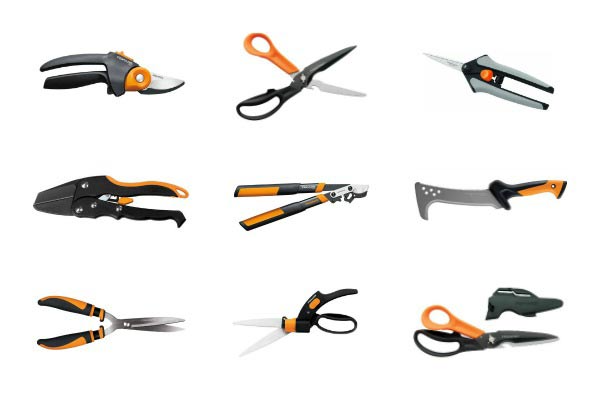
Choosing the Right Tools for Winter Pruning
Sharp tools are essential in winter. Dull pruners require more force, which increases the risk of slips and strains. Clean, well maintained hand pruners, loppers, and pruning saws make smooth cuts that are safer for both the user and the plant. Metal tools become colder and harder to grip in winter temperatures. Wearing insulated gloves with good traction improves control without sacrificing dexterity. Avoid tools with cracked handles or loose joints, as cold can worsen existing weaknesses.
Safe Ladder Use in Cold Conditions
Ladders are one of the biggest sources of pruning injuries. In winter, they deserve extra attention. Always place ladders on stable, level ground, never on ice or snow. If the soil is frozen unevenly, reposition rather than trying to adjust your stance. Use ladders designed for outdoor work and ensure all locking mechanisms are secure. Keep both feet planted and avoid leaning too far to one side. If a branch feels out of reach, it probably is, and that is a sign to stop.
Understanding When Not to Climb
Many homeowners underestimate the height and weight of branches. Winter pruning may reveal structural issues that are not safe to address without professional equipment. Large limbs or branches near power lines should never be handled without training. Ornamental trees often have delicate branching that can snap unpredictably in cold weather. If the task requires overreaching or climbing above shoulder height, it is best left to professionals who are equipped to manage the risk.
Cold Weather Effects on the Body
Cold temperatures reduce circulation and slow muscle response. This increases the chance of strains or falls. Taking frequent breaks helps maintain warmth and focus, especially on longer pruning days. Hydration still matters in winter, even if you do not feel thirsty. Cold air can be dehydrating, and staying hydrated helps maintain balance and energy. Listening to your body is just as important as watching your footing.
Protecting Plants While You Prune
Safety also applies to the plants themselves. Frozen branches are more brittle and can break beyond the intended cut. Pruning during milder winter days reduces the chance of accidental tearing. Avoid pruning during extreme cold snaps. While plants are dormant, severe cold can damage fresh cuts. In Zone 6b, choosing days when temperatures are moderate supports both plant recovery and personal safety.
Managing Ground Conditions in Seacoast Soils
Seacoast soils vary widely, from sandy coastal areas to heavier inland soils. In winter, these conditions influence footing. Sandy soils may shift under pressure, while clay soils can become slick when frozen and thawed. Clearing snow and ice from work areas before pruning reduces risk. Even small patches of ice near shrubs or ornamental trees can cause slips. Taking time to prepare the site makes the work safer and more efficient.
How Shrub Care and Mulching Fit Into Winter Safety
Winter pruning often overlaps with other fine gardening tasks. Clearing debris, removing dead plant material, and planning mulch application all improve safety. Clean garden beds reduce tripping hazards around shrubs and hedges. Mulching is best done once soils begin to thaw, but winter pruning allows you to plan where mulch will go. This thoughtful sequencing supports plant health and minimizes repeated trips through slippery areas.
Common Winter Pruning Mistakes to Avoid
One common mistake is rushing to finish before weather changes. Hurrying leads to poor cuts and unsafe movements. Winter pruning should always be slower and more deliberate. Another mistake is working alone without letting someone know. Especially when using ladders, having someone nearby or checking in periodically adds an important layer of safety.
When Professional Pruning Is the Right Choice
Winter conditions amplify risk, even for experienced gardeners. Professional pruning teams are trained to work safely in cold weather, using proper equipment and techniques. They understand how to balance plant health with personal safety. In Seacoast towns like Portsmouth and Exeter, where landscapes often include mature trees and tight spaces, professional care prevents costly mistakes. Experience matters when conditions are unpredictable.
A Safer Way to Care for Your Landscape
Winter pruning is valuable work, but it should never come at the cost of injury. Thoughtful preparation, proper tools, and realistic limits protect both people and plants. When safety comes first, pruning becomes a positive investment rather than a risk.
Expert Pruning is here to help homeowners navigate winter pruning safely and effectively. With a fine gardening approach and deep knowledge of Seacoast conditions, Expert Pruning provides careful, seasonally timed pruning that protects your landscape and your peace of mind across New Hampshire and Southern Maine.
For professional shrub pruning and expert pruning care throughout the Seacoast of New Hampshire and Southern Maine, contact us at 📧info@expertpruning.com
or call 📞 (603) 999-7470 to schedule your consultation.
