

Pruning Shrub Roses for a Longer Blooming Season in the New Hampshire Seacoast
Pruning Shrub Roses for a Longer Blooming Season in the New Hampshire Seacoast
Shrub roses are one of the most rewarding plants you can grow in a Seacoast garden. They offer months of color, wonderful fragrance, and a relaxed beauty that fits perfectly into coastal landscapes. But many homeowners in Portsmouth, Rye, and Exeter are surprised to learn that the secret to a longer blooming season is not fertilizer or watering. It is proper pruning.
With the right pruning techniques, shrub roses can produce stronger growth, healthier plants, and repeat blooms well into late summer. As fine gardeners working across the New Hampshire Seacoast and Southern Maine, we see firsthand how a few well timed cuts can transform the performance of a rose shrub.
Why Pruning Matters for Shrub Roses
Shrub roses are naturally vigorous plants, but without pruning they often become crowded and less productive. Old stems compete with new growth, airflow becomes limited, and the plant directs its energy into woody structure instead of flowers.
Careful pruning encourages the rose to focus its energy where it matters most. When older or weak stems are removed, the plant responds by sending out fresh shoots that carry the season’s blooms.
In the Seacoast climate of Zone 6b, where winters can be cold and spring conditions unpredictable, pruning also helps remove winter damaged wood. This protects the plant from disease and allows healthier stems to take over.
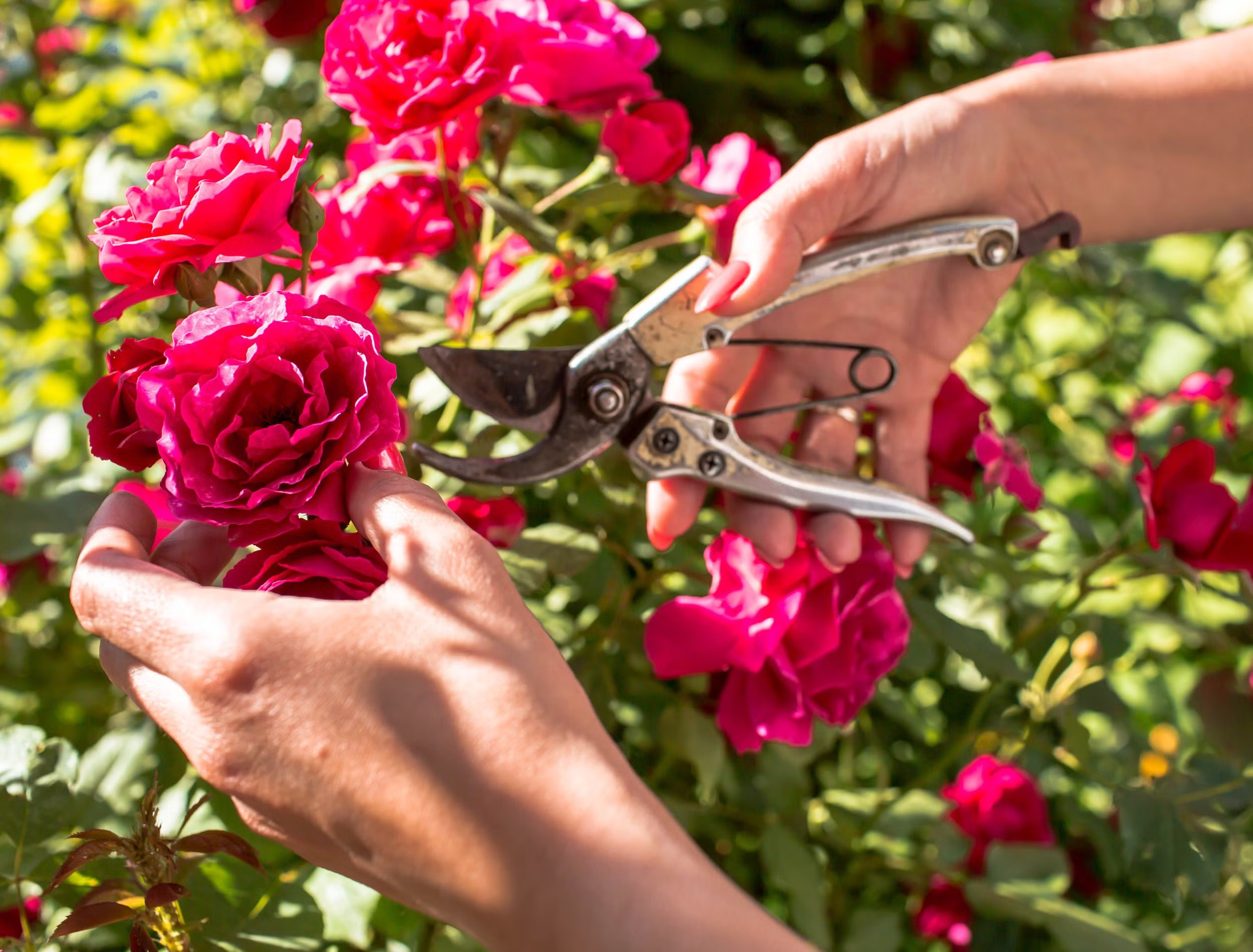
When to Prune Shrub Roses on the Seacoast
Timing is one of the most common questions we hear from homeowners in towns like North Hampton and Hampton Falls. Prune too early and you risk cold damage to fresh cuts. Prune too late and you may remove developing buds.
A reliable rule for our region is to begin pruning when the plants are just starting to wake up in spring. On the Seacoast, this usually happens in April when the buds begin to swell and new growth becomes visible.
Another helpful local sign is the blooming of forsythia shrubs. When you see those bright yellow flowers around Portsmouth and Rye, it is typically the perfect moment to start pruning roses.
How Proper Pruning Extends the Blooming Season
Many modern shrub roses are repeat bloomers. That means they can flower multiple times during the growing season if they are maintained properly.
Pruning helps stimulate new growth that will carry future blooms. By removing older stems and shaping the plant, you encourage a steady cycle of growth, flowering, and renewal.
Later in the season, light pruning or deadheading can continue this process. Removing spent flowers encourages the plant to produce new buds rather than focusing on seed production.
Step by Step Approach to Pruning Shrub Roses
A good pruning session begins with observation. Before making any cuts, take a moment to look at the overall structure of the plant. Identify damaged stems, crossing branches, and areas where growth feels crowded.
Start by removing dead or winter damaged wood. These stems are usually brown, brittle, or hollow inside. Cut them back to healthy green tissue or to the base of the plant.
Next remove weak or thin stems that are unlikely to support strong blooms. Clearing out these smaller branches allows the plant to direct energy toward stronger growth.
Then thin out crowded areas in the center of the plant. Good airflow is important in our humid coastal summers because it helps reduce common rose diseases.
Finally shape the shrub by shortening taller stems. Most shrub roses respond well when they are reduced by about one third of their height in early spring. This encourages branching and fuller growth.
Caring for Roses After Pruning
Once pruning is complete, a little extra care helps the plant bounce back quickly. Roses appreciate consistent moisture, especially as new growth begins.
Applying fresh mulch around the base of the shrub helps retain soil moisture and moderate temperature swings. In the sandy soils common across the Seacoast region, mulch also improves soil structure over time.
Weeding is another important step. Removing weeds around the base of the plant prevents competition for nutrients and keeps the garden looking clean and well maintained.
Professional fine gardening services often combine rose pruning with other seasonal work such as mulching, ornamental tree care, and bed maintenance. This holistic approach keeps the entire landscape healthy rather than focusing on one plant at a time.
Common Mistakes Homeowners Make
One of the most common mistakes we see in Seacoast gardens is avoiding pruning altogether. Many people worry they might harm their roses, so they leave the plants untouched.
In reality, shrub roses are very forgiving. Most varieties respond positively even if pruning is not perfect. The key is simply removing old wood and allowing light and air into the center of the plant.
Another mistake is cutting the plant back too aggressively in late summer or fall. Heavy pruning late in the season can stimulate tender growth that may not survive our winter temperatures.
Why Professional Pruning Makes a Difference
While roses are resilient, thoughtful pruning requires experience. Each shrub grows differently depending on its variety, location, and exposure to wind and salt air along the coast.
In towns like Portsmouth, Rye, and Exeter, coastal conditions can influence how plants respond to pruning. Wind exposure, sandy soil, and seasonal temperature swings all play a role in how roses grow.
A professional fine gardener understands these local conditions and adjusts pruning techniques accordingly. The goal is always the same: healthier plants, longer blooming seasons, and a garden that looks naturally beautiful throughout the year.
Keeping Your Roses Blooming Beautifully
Shrub roses are meant to be enjoyed. With a little seasonal care, they can provide color and fragrance from early summer into fall.
Regular pruning, thoughtful mulching, and consistent garden maintenance allow these plants to thrive in the Seacoast environment. The result is stronger growth, more flowers, and a landscape that feels vibrant and welcoming.
If you would like help maintaining your roses or caring for your garden beds, Seacoast Gardener provides professional fine gardening services throughout Portsmouth, Rye, Exeter, North Hampton, and the surrounding New Hampshire Seacoast and Southern Maine communities.
Our team specializes in pruning, shrub care, ornamental trees, weeding, mulching, and seasonal garden maintenance designed specifically for coastal gardens. Reach out to Seacoast Gardener to keep your landscape healthy, beautiful, and blooming all season long. 🌿
