

Pruning to Prevent Disease in the August Garden in Portsmouth
Pruning to Prevent Disease in the August Garden in Portsmouth
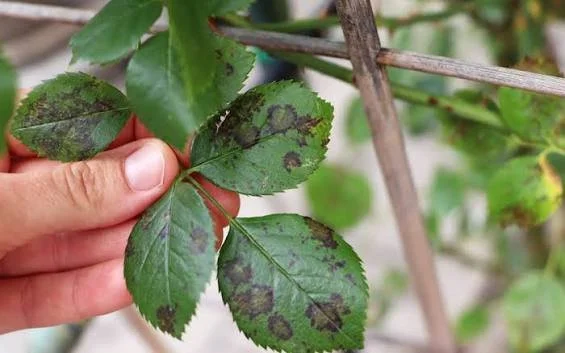
By August, a Seacoast garden has hit its lush, full stride, but if you look closely, trouble is often taking hold in the shadows. A rose leaf spotted with black, a dusting of white on the phlox, a branch of dogwood browning out of season. Our warm, humid late summers are a paradise for plant disease, and the tools in your hand can either fuel the problem or fight it.
I've tended gardens across Portsmouth and the surrounding Seacoast for many years, and August is the month I watch disease most carefully. The way you prune right now, and how clean your blades are while you do it, makes a real difference to which plants make it through healthy. Let me walk you through it.
Why August Is a High-Risk Month
Our late summers on the coast bring a particular mix of conditions: warm days, humid nights, morning fog off the water, and the occasional afternoon thunderstorm. That combination of heat and lingering moisture is exactly what fungal and bacterial diseases need to thrive. Foliage that stays wet for hours is foliage at risk.
In our Zone 6b climate, disease pressure peaks in these humid weeks. Every pruning cut you make is an open wound, a potential entry point for whatever is circulating in the garden. That's why timing and cleanliness matter more in August than in almost any other month.
The Diseases Worth Watching
A handful of troubles show up reliably in Seacoast gardens this time of year. Black spot and powdery mildew appear on roses and many shrubs, flourishing in still, damp air. On fruit and ornamental trees, apple scab, cedar-apple rust, and various leaf spots become visible as the season wears on.
Fire blight deserves special mention. This bacterial disease strikes apples, pears, crabapples, and some ornamentals, and it spreads readily through pruning cuts made in warm, wet weather. Cankers and dieback on dogwoods, maples, and lilacs round out the list of things to keep an eye on. Learning to recognize these early is half the battle.
How Pruning Can Spread Disease
Here's the part many homeowners overlook. A dirty blade carries pathogens directly from a sick plant into a healthy one, moving disease around your garden with every cut. Fire blight is the classic cautionary tale, since pruning an infected pear in humid August weather can drive the bacteria straight into fresh wounds.
The solution is simple but essential: disinfect your blades. Wipe them with rubbing alcohol or a disinfecting wipe between plants, and between individual cuts when you're working on a badly infected specimen. This one small habit prevents you from becoming the very thing that spreads trouble through your beds.
How Pruning Can Prevent Disease
Done thoughtfully, pruning is one of your strongest defenses. Removing dead, damaged, and diseased wood clears out the very tissue where pathogens live and overwinter. Those three types of wood serve no purpose and quietly harbor problems, so taking them out benefits the plant in any season.
Just as valuable is thinning for airflow. A crowded canopy or an overgrown shrub traps moisture, keeping foliage wet long after the fog lifts. Opening up that growth lets breezes move through and dries the leaves faster, which alone discourages a great deal of fungal disease. Good structure and good airflow do quiet, lasting work in a Portsmouth garden.
Timing Your Cuts With Care
For fire-blight-prone trees like apples and pears, timing is everything. Whenever possible, save major cuts on these for dry stretches or winter dormancy rather than warm, wet spells, since dry conditions give the wound time to seal before bacteria can enter. When you must cut during humid weather, disinfect obsessively.
For most other summer pruning, keep it light and targeted. August is a month for removing problems, not for heavy reshaping, which stresses the plant and pushes tender growth right when disease pressure is highest. Restraint serves your garden well this time of year.
Cleaning Up Matters as Much as Cutting
What you do with the debris is as important as the pruning itself. Diseased clippings left on the ground or tossed in the compost keep pathogens alive and ready to reinfect next season. Bag infected material and dispose of it rather than composting it.
Take the same care around the base of your plants. Rake up fallen, spotted leaves beneath roses and fruit trees, since many diseases overwinter in that debris. A clean garden floor gives disease far fewer places to hide, and it's one of the easiest preventive steps you can take.
The Long View on Garden Health
Managing disease is rarely a one-time job. It's a rhythm of watchful observation, clean tools, thoughtful cuts, and diligent cleanup, repeated through the season. A garden tended this way builds resilience year over year, growing healthier rather than more troubled.
That steady care is what keeps a Seacoast garden beautiful for the long haul. Disease will always be part of gardening in our humid coastal climate, but with the right approach, it need never take over.
If disease has crept into your garden this August and you'd welcome a knowledgeable hand, we're glad to help. At Expert Pruning, we bring a Master Gardener's eye to pruning, shrub care, ornamental trees, weeding, and mulching for gardens throughout Portsmouth and the wider Seacoast. Reach out today, and let's keep your garden healthy through the season's turn.
Expert Pruning | Location: North Hampton, NH, Serving Seacoast NH and Southern Maine | Contact: info@expertpruning.com, (603) 999-7470
