

Hand Pruners vs. Loppers vs. Saws
Fall along the New Hampshire Seacoast is a beautiful, busy season for gardeners. As the weather cools and plants begin to slow their growth, it’s the perfect time to tidy up shrubs, small trees, and perennials before winter. Whether you’re trimming hydrangeas in Rye, shaping ornamental trees in Portsmouth, or managing overgrown shrubs in Exeter, having the right pruning tools makes all the difference. At Expert Pruning, we know that using the correct tool not only improves plant health but also makes pruning easier, safer, and more effective.
Understanding the Purpose of Fall Pruning
In Zone 6b coastal gardens, fall pruning is less about heavy shaping and more about gentle maintenance. The goal is to remove damaged or crossing branches, improve airflow, and prepare plants to handle snow, wind, and salt exposure through winter. Choosing the right tool for each cut ensures clean wounds that heal quickly and protect plants from disease or winter dieback.
The Seacoast’s combination of sandy soils, salt spray, and strong winds means plants are under more stress than those inland. Using sharp, appropriate pruning tools minimizes that stress and helps keep your landscape healthy and balanced as it transitions into dormancy.
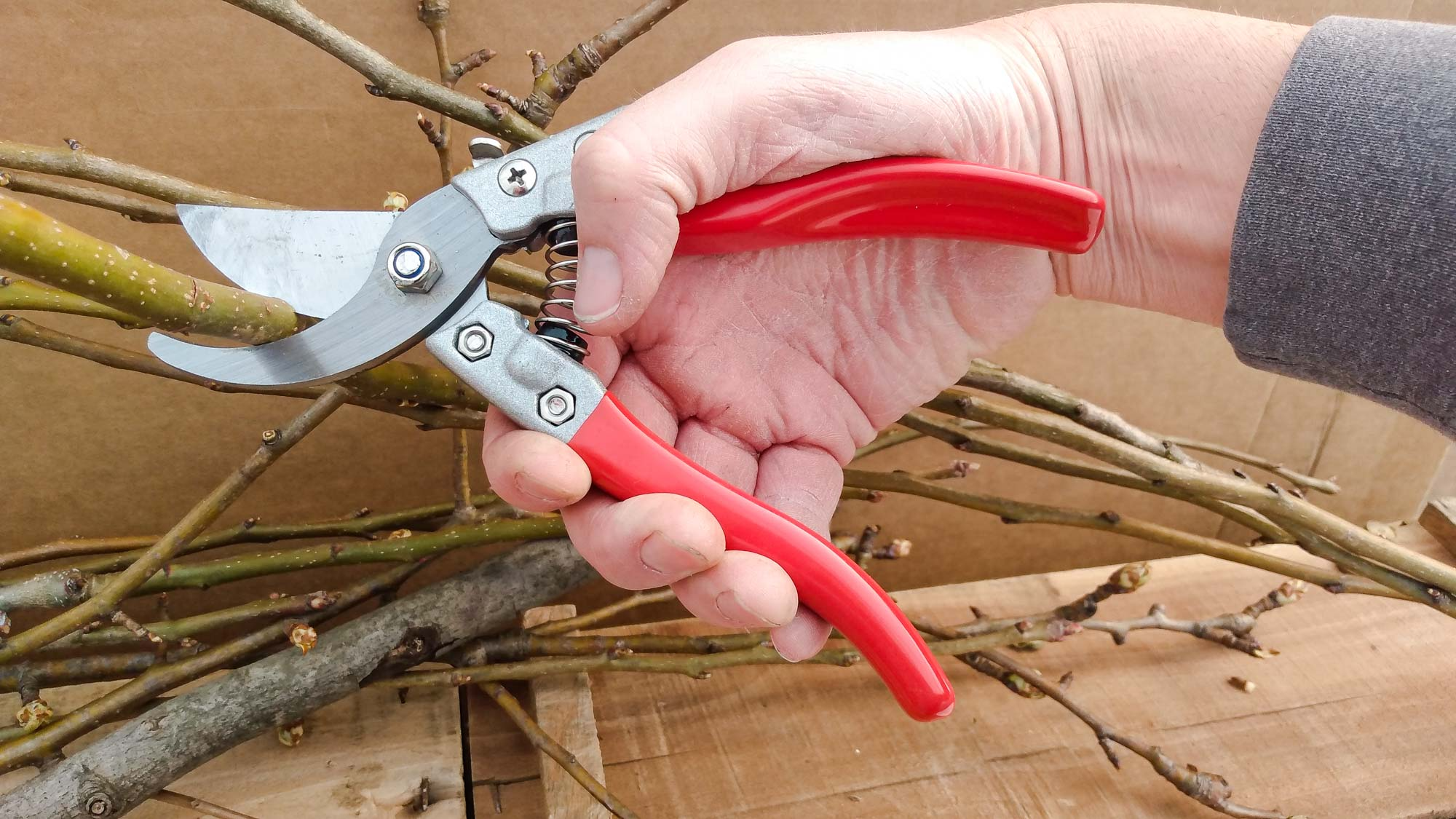
Hand Pruners: The Everyday Essential
If you only own one pruning tool, make it a good pair of hand pruners. These are perfect for small branches and stems—typically up to about ¾ inch in diameter. Hand pruners are your go-to for routine maintenance on shrubs, roses, perennials, and smaller ornamental trees.
There are two main types of hand pruners: bypass and anvil. Bypass pruners, which cut like scissors, create clean cuts ideal for live growth. Anvil pruners, which crush the stem against a flat edge, are better for dead wood. Along the coast, where humidity and salt air can cause corrosion, it’s worth investing in stainless steel blades and cleaning them after each use.
At Expert Pruning, our team prefers high-quality bypass pruners for most fine-gardening work. They allow precision cuts that promote faster healing and reduce the chance of disease. We always recommend sharpening blades regularly—dull tools tear bark and can leave wounds that invite pests and rot.
Loppers: Extending Your Reach
When branches are just out of reach or too thick for hand pruners, loppers step in. With long handles and strong leverage, loppers handle branches up to about two inches thick. They’re ideal for rejuvenating shrubs, thinning overgrown lilacs, or removing crossing limbs on young ornamental trees.
In Portsmouth and Rye, where coastal winds can make shrubs grow unevenly, loppers are particularly useful for restoring shape and balance. They help create the open structure that allows air and light to reach interior branches—key to reducing fungal problems common in damp coastal air.
Like hand pruners, loppers come in both bypass and anvil styles. For most live-wood pruning, bypass loppers are best. Choose lightweight, sturdy handles (fiberglass or aluminum) and always make smooth, clean cuts close to the branch collar without tearing bark.
Pruning Saws: For the Big Jobs
When branches are thicker than two inches, it’s time to reach for a pruning saw. These tools are essential for mature shrubs and small trees, where larger cuts are needed to remove dead, diseased, or storm-damaged wood. Coastal gardens, especially near Hampton and North Hampton, often deal with salt- or wind-damaged limbs after strong weather. A sharp pruning saw allows you to make controlled, accurate cuts without harming surrounding growth.
Pruning saws come in various blade shapes and tooth sizes. A curved blade works well for overhead or close-in cuts, while straight blades are better for reaching deeper into dense canopies. Folding saws are handy for smaller spaces or quick jobs, while larger fixed-blade saws handle major structural pruning.
At Expert Pruning, we rely on professional-grade saws designed to create smooth cuts that resist tearing and heal quickly. We also take care to angle every cut properly, preventing water from collecting on the wound—a small detail that makes a big difference through coastal winters.
Caring for Your Pruning Tools
Regardless of which tools you use, maintenance matters. Salt air, moisture, and sandy grit can dull blades and corrode metal quickly along the Seacoast. After each use, wipe blades clean, dry them thoroughly, and oil any moving parts. Once a season, sharpen edges with a fine file or sharpening stone to keep cuts smooth and precise.
When pruning around diseased plants, always sanitize tools between cuts with a simple alcohol solution or diluted bleach. This small step helps prevent spreading fungal or bacterial infections—a common concern in humid coastal gardens.
Knowing When to Stop Pruning
Fall pruning is about timing as much as technique. Once night temperatures dip consistently below 40°F, plants begin their dormancy phase. At that point, avoid cutting live wood, as new growth won’t have time to harden off before frost. Instead, focus on removing dead or damaged branches and shaping lightly to maintain structure.
In Zone 6b, most pruning should wrap up by late October to protect plants from cold injury. Heavy pruning can be saved for late winter or early spring, before buds break and sap begins to rise again.
When to Call a Professional
While small maintenance pruning is manageable for many homeowners, larger structural pruning requires skill, experience, and the right tools. Knowing where—and how much—to cut can mean the difference between a rejuvenated plant and one that struggles to recover.
At Expert Pruning, we bring both the tools and the expertise to handle everything from fine detail work to large ornamental tree pruning. Our team understands how coastal weather, soils, and seasonal changes affect plant health. Whether you need a single shaping visit or ongoing fine-gardening care, we tailor our approach to your property’s needs and timing.
Your Garden, Ready for Every Season
The right pruning tools are an investment in the health and longevity of your garden. From precision hand pruners to heavy-duty saws, each has its place in maintaining a landscape that’s both beautiful and resilient.
If you’re unsure which tool—or technique—is best for your trees and shrubs this fall, Expert Pruning can help. Our skilled team provides professional pruning, shrub care, and seasonal maintenance across Portsmouth, Rye, Exeter, Hampton, and surrounding Seacoast towns. With the right care now, your garden will enter winter strong and ready to flourish when spring returns.
Contact Information:
📧 info@expertpruning.com
📞 (603) 999-7470
