

Why Dormant Pruning Heals Faster: The Science Behind Winter Cuts
The Biological Advantage of Cutting in Dormancy
Working through a pruning decision this winter? I’m happy to walk the property. You can reach out through the contact page.
January pruning on the Seacoast, NH can feel counterintuitive. The garden is still, the air is sharp, and cutting wood in cold weather seems like it would stress the plant. In reality, this is the most forgiving physiological state a woody plant enters all year.
Dormant pruning heals better because it aligns the wound with the plant’s strongest annual healing response: spring growth.
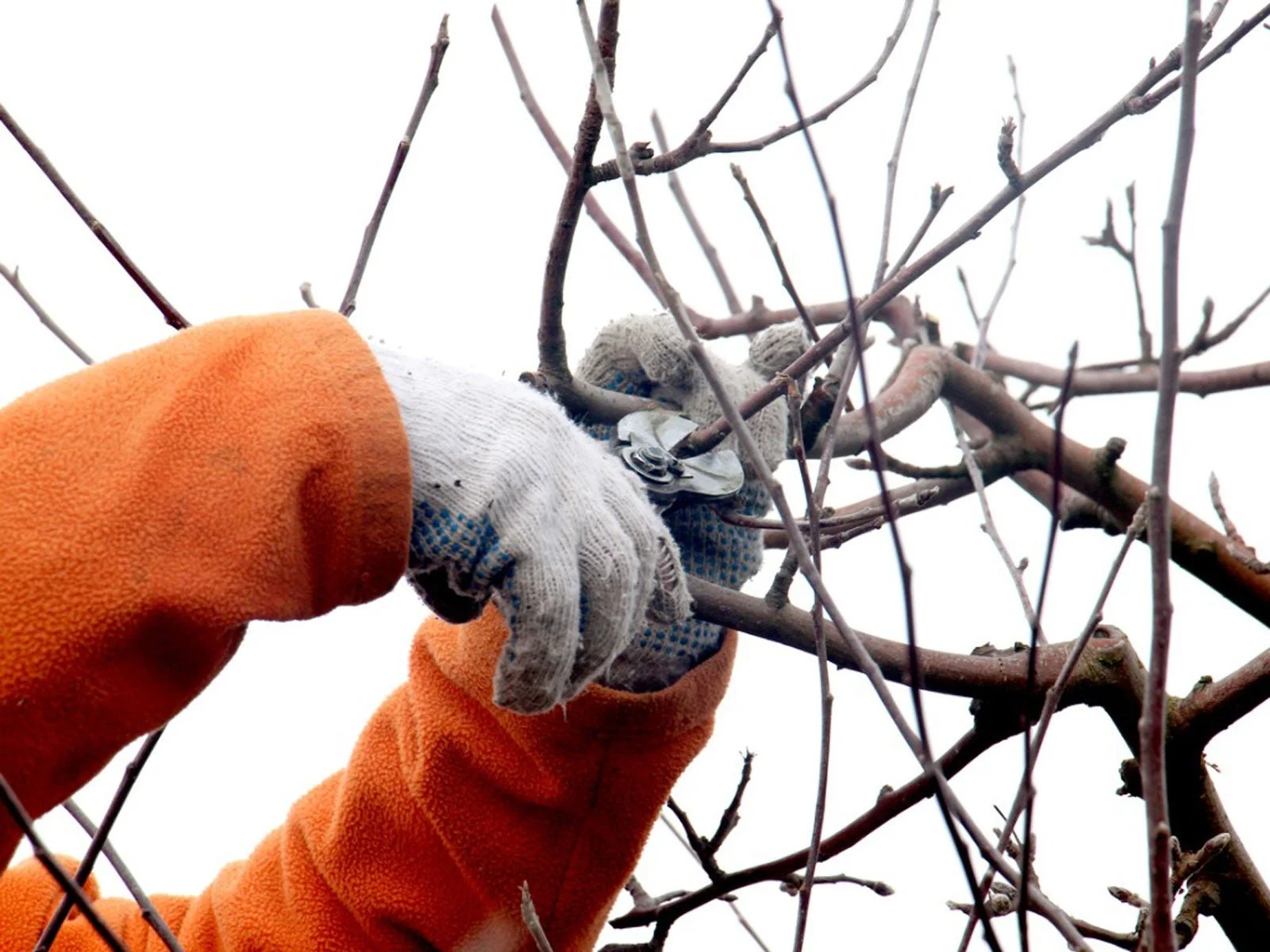
A Winter Pruning of Wonderland
Winter pruning improves structure and plant health while trees and shrubs are dormant. With leaves off, you can clearly see the framework and make precise cuts that strengthen form and balance. Dormant pruning reduces stress, limits disease risk, and encourages vigorous, well-directed growth when spring arrives.
What Dormancy Actually Means Inside the Plant
Dormancy is not inactivity. It is controlled suspension. As day length shortens and temperatures drop, carbohydrates are relocated from stems and leaves into the root system. Above-ground growth slows dramatically.
When you cut during this period, you are cutting into tissue that is not actively expanding, transpiring, or demanding energy. The plant is conserving resources. There is no foliage to support and no competing growth process to divert energy from healing later.
On properties in Portsmouth and Rye, we rely on this stability. A dormant plant is predictable. Predictability makes for cleaner decisions.
The Callus Response Is Timed to Spring
Pruning wounds do not seal immediately in January. They remain exposed through the cold weeks. The important part is what happens next.
When soil temperatures rise and daylight increases, cambial activity resumes. The cambium, the thin layer of dividing cells just beneath the bark, produces callus tissue that rolls over and seals the wound. This surge of cell division is strongest at the beginning of the growing season.
A dormant-season cut meets that surge at precisely the right moment. It heals as part of the plant’s natural expansion cycle. A cut made in midsummer must callus while the plant is already allocating energy to leaf maintenance, water regulation, and root growth. It heals, but it does so under load.
Winter cuts heal with the current, not against it.
Sap Pressure and the “Bleeding” Concern
Maples and birches often cause hesitation because of sap flow in late winter. In deep dormancy, particularly in January internal hydraulic pressure is minimal. Water movement through the vascular system is slow and steady.
Even when sap begins to move in late February, visible bleeding is not damage. It is pressure release, not structural harm. The vascular system remains intact, and the wound still closes.
From a timing perspective, the lower the internal pressure, the drier and cleaner the wound surface. That dryness reduces opportunity for microbial colonization before callus formation begins.
Pathogen Pressure Is Lowest in Cold Weather
Most fungal pathogens that exploit pruning wounds are temperature-dependent. Cold air significantly reduces their activity. Spore movement is limited, and colonization rates are slower.
Making structural cuts in January means the wound exists in a low-pressure microbial environment. By the time consistent spring warmth returns, callus tissue is already forming.
In a coastal climate where damp springs can accelerate disease spread, using the cold window is not merely convenient. It is protective.
What This Means for Structural Pruning Decisions
The practical application is straightforward. Deciduous trees and shrubs that require structural work benefit from dormant timing.
Crossing branches, weak crotch angles, interior congestion, and watersprouts can all be addressed now. Oaks, maples, fruit trees, viburnums, crabapples — these are strong candidates for January and February work.
Old-wood bloomers remain the exception because flower buds are already set. Timing is always governed by bloom habit. Biology sets the rules; we follow them.
Technique Still Determines the Outcome
Dormancy improves healing conditions, but poor cuts still compromise plant health.
Make each cut just outside the branch collar, the slightly swollen tissue where a branch meets the trunk or main stem. The collar contains the cells responsible for initiating callus formation. Cutting flush removes that tissue. Leaving a stub prevents the callus from sealing properly.
Clean tools matter equally. Disinfect blades between plants, especially when disease history is present. Timing provides advantage. Technique preserves it.
Winter offers clarity and biological leverage at the same time. Once you understand how dormant tissue pairs with spring energy, January pruning stops feeling risky and begins to feel intentional. That shift in understanding is where confident gardening begins.
Is it Time to Call a Professional?
If you have trees or shrubs that haven’t been structurally evaluated in several years, winter is the most strategic time to address them. I’m happy to walk the property and talk through what should be cut now and what should wait. Reach out through the contact page
Contact Us
📧 info@expertpruning.com
📞 (603) 999-7470
