

How to Handle Deadheading in July Gardens
How to Handle Deadheading in July Gardens
By mid July, most gardens have already put on their first big show. Peonies have finished, early daylilies are winding down, and the catmint that looked so fresh in June is starting to sprawl. This is the moment when deadheading earns its keep. A few minutes with a pair of snips each week can mean the difference between a garden that fades by August and one that keeps blooming into fall.
Here in Greenland, our Zone 6b growing season gives plants plenty of runway after the Fourth of July. The trick is convincing them to use it. Deadheading is how you do that, and July is exactly the right time to make it a habit.
Why Deadheading Works
A flowering plant has one goal, and it is not to look pretty for us. It wants to set seed. Once a bloom fades and seed begins to form, the plant shifts its energy away from making new flowers and into ripening that seed.
When you remove spent blooms before seed develops, you interrupt that signal. The plant responds by pushing out more flowers in an effort to try again. For many perennials and nearly all annuals, this simple intervention can extend bloom time by weeks or even months.
There is a health benefit too. Faded petals left on the plant hold moisture, and in our humid coastal summers that invites botrytis and other fungal problems. Clean plants are healthier plants, especially in gardens near the water where morning fog lingers.
What to Deadhead in July
Start with your repeat bloomers, since these give the biggest return. Catmint, salvia, and hardy geraniums all respond beautifully to a July cutback. Rather than snipping individual blooms, shear these back by about one third once the first flush fades. Within two to three weeks they will regrow fresh foliage and a second round of flowers.
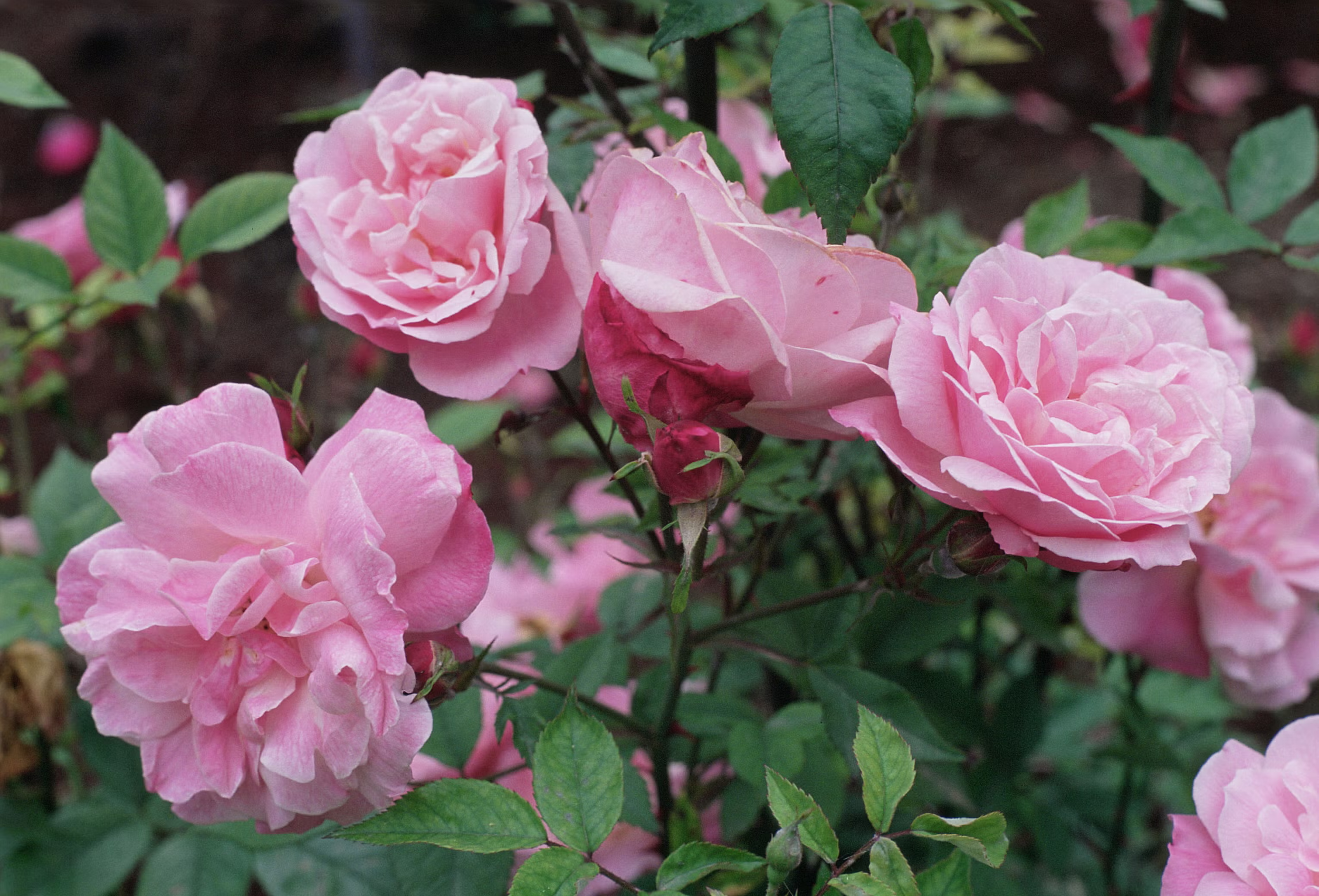
Roses are next on the list. Shrub roses and repeat blooming varieties should have spent clusters removed just above a healthy five leaflet leaf, cutting to an outward facing bud. This encourages strong new growth in the right direction and keeps the plant open and airy, which matters in the moist air we get along the coast.
Annuals like zinnias, cosmos, and snapdragons need steady attention now. Deadhead them weekly and they will bloom until frost. Skip a few weeks and they will slow down noticeably. Daylilies benefit from having spent scapes removed at the base once all buds on the stalk have opened, which tidies the plant and directs energy back to the roots.
Where to Make the Cut
Good deadheading is really just small scale pruning, and the same principles apply. Never leave a bare stub sticking up above the foliage. Instead, follow the spent flower stem down to the first set of healthy leaves, a side bud, or a new flower bud, and cut just above that point.
For plants with soft stems, clean bypass snips or even your fingers work fine. For woodier plants like roses and shrubby perennials, use sharp bypass pruners and wipe the blades between plants if you have seen any disease. Ragged cuts heal slowly and invite trouble, so keep your tools sharp.
Know When to Leave Blooms Alone
Not everything should be deadheaded, and this is where judgment matters. Coneflowers and black eyed Susans can be deadheaded early in the season for more blooms, but by late summer it is worth leaving some seed heads for the goldfinches and for winter interest. Ornamental grasses should never be cut back now.
Plants that bloom once and are done, like peonies and most lilacs, gain little from deadheading beyond tidiness. Remove the spent flowers if you like the cleaner look, but do not expect rebloom. And if you enjoy self seeding volunteers from plants like foxglove or columbine, let a few stalks ripen and scatter on their own.
Aftercare That Keeps the Show Going
Deadheading asks the plant to produce more flowers, so support that effort. Water deeply once or twice a week during dry stretches, since our sandy soils drain fast and shallow sprinkling does little good. A two to three inch layer of mulch holds moisture and keeps roots cool through the hottest weeks.
Hold off on heavy fertilizing in July. A light dose of compost or a balanced organic feed after shearing back perennials is plenty. Pushing lush growth with nitrogen this late invites soft stems and more fungal pressure in Greenland gardens where humidity runs high.
Let Us Handle the Details
Deadheading is simple in principle, but knowing which plants to shear, which to snip, and which to leave alone takes experience. That is where we come in. Expert Pruning provides professional pruning, shrub care, garden maintenance, and seasonal fine gardening for homeowners throughout Greenland and the surrounding area.
If your summer garden could use a skilled hand, we would love to help it finish the season strong. Reach out today to schedule a visit.
Email: info@expertpruning.com
Phone: (603) 999-7470
