

Pruning Hydrangeas: Preparing for Next Year’s Blooms
Pruning Hydrangeas: Preparing for Next Year's Blooms
Few questions come up more often in Seacoast gardens than the hydrangea pruning question, and for good reason. Cut a hydrangea at the wrong time or in the wrong way, and you can lose an entire season of blooms without ever touching the plant's health. The good news is that once you understand which type of hydrangea you're working with, the rest falls into place naturally.
Know Your Hydrangea Before You Cut
The single most important step is identifying which hydrangea you actually have, because the pruning rules differ significantly by type. Bigleaf hydrangeas, the classic mophead and lacecap varieties so common in North Hampton yards, set their flower buds on old wood in late summer and fall. Panicle hydrangeas and smooth hydrangeas, on the other hand, bloom on new wood each spring and can be cut back hard without sacrificing next year's flowers.
If you're not sure which one is in your border, look at the timing of last year's bloom and the shape of the flower head. Cone-shaped blooms usually mean panicle hydrangea, while the classic rounded pom-pom points to bigleaf. When in doubt, it's always safer to do a light touch-up rather than a hard cutback until you're certain.
Why Fall Pruning Deserves Extra Caution
This is the season where a lot of well-intentioned homeowners accidentally prune away next year's flowers. Because bigleaf hydrangeas have already formed their buds for next summer by the time September arrives, any hard pruning now removes the very wood that would have bloomed. The safest approach for these varieties is to leave them alone through fall and winter entirely, aside from removing spent flower heads if you'd like a tidier look.
Our humid Zone 6b summers push a lot of vigorous growth, so it's tempting to want to shape things up before the garden goes dormant. Resist that urge with bigleaf types. A little patience now protects a much prettier June.
What You Can Safely Do Right Now
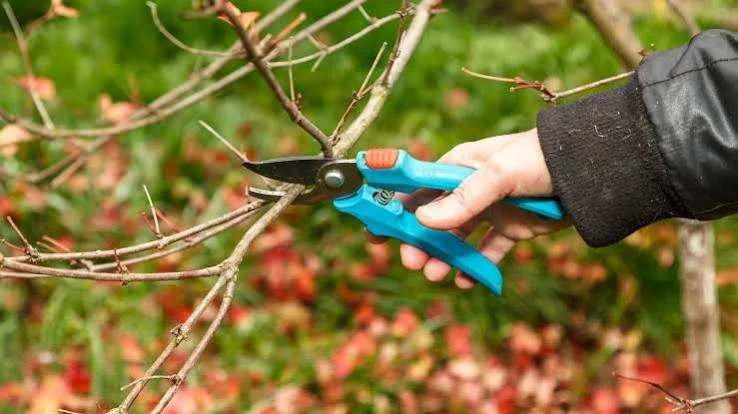
Regardless of hydrangea type, early fall is a fine time for light grooming. Remove any dead, damaged, or diseased wood you spot, cutting back to healthy tissue or the base of the plant. This kind of sanitation pruning improves airflow through the shrub, which matters a great deal as our autumn dampness settles in and fungal issues become more likely.
You can also deadhead faded blooms on any hydrangea type purely for appearance, snipping just below the spent flower head without cutting into the stem further. This won't affect next year's flowering one way or the other, so it's a safe task to check off the list.
Panicle and Smooth Hydrangeas: More Flexibility
If your hydrangeas are the panicle type, often grown as small trees or large upright shrubs, or the smooth type with its big white summer blooms, you have considerably more room to work with. These bloom on new wood, so a more substantial cutback in late winter, rather than fall, encourages strong new growth and larger flower clusters the following season. For now, simply clean up any weak or crossing stems.
Mulching and Soil Care Going Into Winter
Whatever type of hydrangea you're tending, a fresh two to three inch layer of mulch around the base helps regulate soil temperature through our freeze-thaw cycles and protects shallow root systems. Keep mulch pulled back slightly from the crown to avoid trapping moisture against the stems. Clearing weeds from the base at the same time removes competition for water and nutrients right as the plant is hardening off for winter.
If your soil runs on the heavier, clay-influenced side, as it does in many Seacoast yards, working a little compost into the surrounding bed now improves drainage before the wet months arrive. Hydrangeas are fairly forgiving, but soggy roots through a long winter can weaken even an established plant.
Setting Up Next Year's Show
The real secret to a spectacular hydrangea display next summer isn't a dramatic fall pruning session, it's restraint paired with the right small tasks at the right time. Identify your variety, protect the buds already formed on old-wood types, clean up what needs cleaning, and let the plant rest through winter.
Let Us Take the Guesswork Out of It
Hydrangea pruning trips up even experienced gardeners, and a single mis-timed cut can mean a season without blooms. If you'd rather have a trained eye assess your North Hampton hydrangeas and handle the pruning with confidence, we're here to help. Contact Expert Pruning today at (603) 999-7470 or info@expertpruning.com to schedule a fall garden visit, and let's make sure next year's blooms are the best your garden has ever seen.
