

How to Prune Hydrangeas in Midsummer: A Rye Gardener's Guide
How to Prune Hydrangeas in Midsummer: A Rye Gardener's Guide
Midsummer in Rye brings hydrangeas into their full glory, with mophead and lacecap blooms catching the salt breeze along garden borders throughout town. But this is also the season when homeowners start wondering whether those spent blooms and leggy stems need attention. The good news is that midsummer pruning, done correctly, can support a healthier plant without sacrificing next year's flowers.
The key to pruning hydrangeas successfully lies in understanding which type you have growing in your Rye garden. Bigleaf hydrangeas, the classic mophead and lacecap varieties so common throughout coastal New England, set their flower buds on old wood starting in late summer. This means any major pruning right now could remove the very buds that would have given you flowers next June.
Know Before You Cut
Before reaching for the loppers, take a walk around your property and identify what you're working with. If your hydrangea blooms on growth from the previous year, which is true for most mopheads and lacecaps in Rye landscapes, midsummer pruning should be light and selective. Panicle hydrangeas and smooth hydrangeas, which bloom on new wood, are far more forgiving and can tolerate more substantial midsummer shaping if needed.
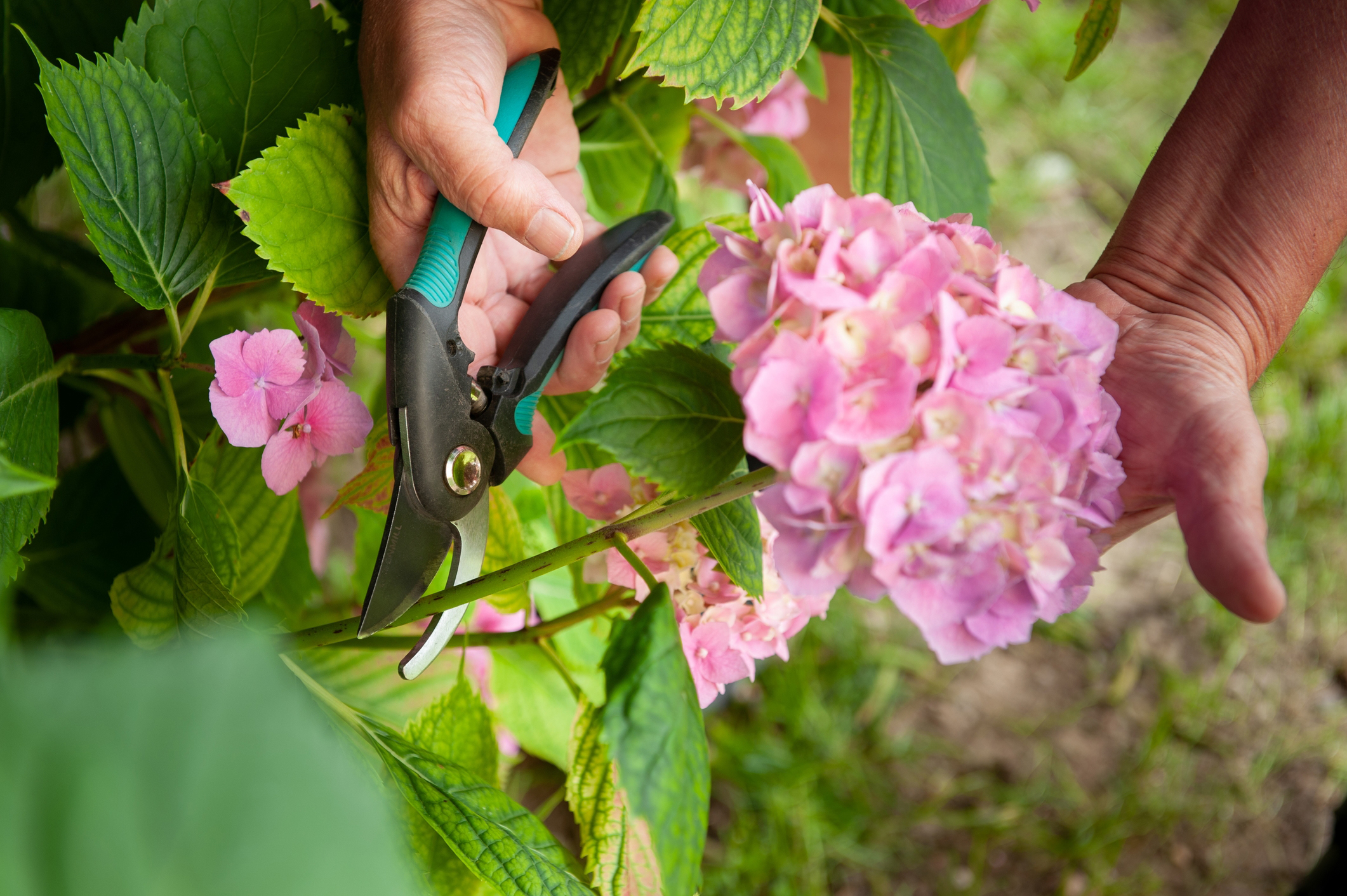
For old wood bloomers, the safest midsummer task is deadheading. Snip spent flower clusters back to the first set of healthy leaves below the bloom, taking care not to cut too far down the stem where next year's buds are already forming. This tidies the plant's appearance and redirects energy toward root development rather than seed production, which matters in our sandy Rye soils where root strength helps plants weather both drought and salt spray.
Light Shaping Without Sacrificing Next Year's Blooms
If you have a few wayward stems crossing through the center of the shrub or growing at awkward angles, midsummer is an acceptable time for very light corrective pruning. Remove no more than a stem or two, cutting back to a strong lateral branch or bud union. This kind of selective thinning improves air circulation, which is especially valuable in Rye's humid coastal air where powdery mildew can take hold on dense hydrangea foliage.
Avoid the temptation to shear your hydrangea into a tidy ball shape during midsummer. Shearing removes both spent blooms and the developing buds for next year indiscriminately, leaving you with a flowerless shrub come early summer. A hydrangea pruned with restraint and an eye toward its natural form will reward you with a fuller, more graceful silhouette and a better bloom display.
Watch for Stress Signals
Midsummer heat and intermittent drought can stress hydrangeas, particularly those planted in fast draining sandy soil typical of many Rye properties near the water. Wilting leaves during the hottest part of the afternoon that recover by evening are normal and not a signal to prune. However, if you notice stems with dieback, blackened tips, or no new growth at all, those branches can be removed now regardless of bloom type, cutting back to healthy green wood.
When removing any dead or diseased wood, always cut back to the branch collar or to a healthy lateral, and disinfect your pruning tools between cuts with rubbing alcohol or a diluted bleach solution. This simple step prevents spreading fungal issues from one shrub to another as you move through your Rye garden beds.
Mulching and Aftercare
After any midsummer pruning, refresh the mulch layer around your hydrangea's root zone, keeping it pulled back slightly from the base of the stems. A two to three inch layer of mulch helps regulate soil moisture and temperature, both of which fluctuate more dramatically in our coastal sandy soils than in heavier inland clay. This is also a good time to check that your hydrangeas are receiving consistent moisture, as inconsistent watering during bud development can affect next year's flower quality.
If your hydrangeas are planted in a spot that receives intense afternoon sun and salt laden wind, consider whether some afternoon shade or a windbreak planting nearby might help reduce stress in future seasons. Zone 6b winters combined with coastal exposure can be hard on hydrangeas, and a plant that goes into autumn healthy and well hydrated is far better equipped to handle whatever winter brings.
When to Call in the Professionals
Hydrangeas are forgiving plants, but the difference between a shrub that blooms beautifully and one that disappoints often comes down to pruning timing and technique. If your hydrangeas have become overgrown, are blooming poorly despite your best efforts, or you're simply not sure which type you have and how to handle it, a professional assessment can save you a year of guesswork.
Expert Pruning has spent years caring for hydrangeas and other flowering shrubs throughout Rye properties, working with each plant's natural growth habit to encourage strong structure and abundant blooms. If you would like a hand with your hydrangeas this season, or want to plan ahead for fall and winter garden care, reach out today.
Contact Expert Pruning at info@expertpruning.com or call (603) 999-7470 to schedule your consultation.
