

July Pruning Guide for Exeter Gardens: Managing Midsummer Growth
Why July Is a Turning Point in the Garden
By the time July arrives in Exeter, the spring rush of growth has matured into something steadier. Shrubs that leafed out eagerly in May are now thick with new wood, and many spring blooming favorites have already set next year's flower buds. This is a season for thoughtful maintenance rather than heavy renovation. Working with the plant's natural rhythm now sets the stage for a healthier, more beautiful garden through fall.
Understanding What Your Plants Are Doing Right Now
Most spring flowering shrubs, including lilac, forsythia, and rhododendron, have already formed the buds that will become next year's flowers. Pruning these now with a light touch is safe, but heavy cuts risk removing the very buds you are hoping to see next spring. Summer and fall blooming shrubs, on the other hand, are still building toward their show and can tolerate a bit more shaping. Knowing which category your shrubs fall into is the foundation of good July pruning in Exeter.
Light Shaping and Maintenance Pruning
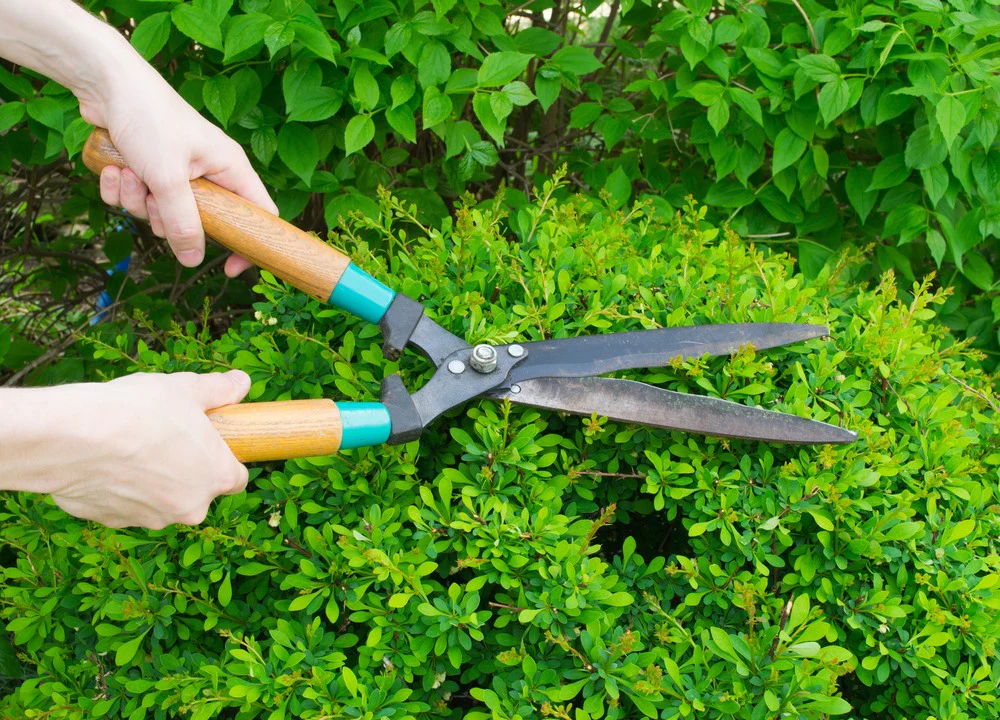
July is an excellent time for light maintenance pruning, the kind that keeps a shrub looking tidy without disrupting its structure. This means removing any wayward shoots that have grown out of proportion, lightly thinning crowded interior growth to improve air flow, and snipping back stems that are crossing or rubbing. A good guideline for Exeter gardens is to remove no more than a quarter of the plant's foliage in a single session during summer months. This keeps the plant from experiencing unnecessary stress during the heat of the season.
Caring for Ornamental Trees in Midsummer
Ornamental trees, such as Japanese maples, dogwoods, and crabapples, benefit from a careful midsummer look. This is the time to remove any small dead or damaged branches, correct minor crossing limbs, and step back to assess the overall form while the canopy is fully leafed out. Avoid heavy reduction cuts in July, since trees are using this period to store energy for the coming winter. If you notice larger structural issues, it is often best to make a note and plan for a proper assessment during the dormant season, when an Exeter pruning specialist can evaluate the tree's framework more clearly.
Managing Perennials and Pinching Back
Many perennials respond beautifully to a midsummer pinch, especially those that tend to flop or become leggy by August. Pinching back the tips of plants like asters, mums, and certain salvias encourages bushier growth and more abundant blooms later in the season. Deadheading spent flowers on perennials such as coneflower, salvia, and bee balm not only tidies the bed but often encourages a second flush of color. In Exeter's humid summer air, removing spent blooms also helps reduce the conditions that encourage fungal issues.
The Importance of Weeding in July
Weeds grow just as enthusiastically as everything else in July, and they compete aggressively with garden plants for water and nutrients. Staying ahead of weeds now, before they set seed, makes a significant difference in how much work is needed later in the season. A consistent weeding routine also improves air circulation around the base of shrubs and perennials, which is especially helpful during Exeter's warm, sometimes humid summer stretches. Even thirty minutes of weeding each week can keep beds looking polished and healthy.
Mulching for Moisture and Soil Health
Exeter's soils, like much of the Seacoast region, can dry out quickly during a hot July, especially in sandy or well drained spots. A two to three inch layer of organic mulch helps retain soil moisture, moderate root zone temperatures, and suppress weed germination. If mulch from spring has thinned or broken down, midsummer is a good time to refresh it. Be sure to keep mulch pulled back slightly from the base of trunks and stems to avoid moisture related issues.
Watering Wisely During Summer Heat
Deep, infrequent watering is far more beneficial than frequent shallow watering, especially for shrubs and trees with established root systems. Early morning watering allows plants to take up moisture before the heat of the day sets in, reducing stress and water loss through evaporation. Newly planted shrubs and trees in Exeter gardens may need extra attention during dry spells, since their root systems are still establishing. A simple finger test in the soil can help you judge whether watering is truly needed.
Planning Ahead for Fall Pruning
While July calls for restraint, it is also a good time to start observing which shrubs and trees may need more significant attention later in the year. Taking notes now about overgrown shrubs, structural issues in trees, or plants that seem to be struggling gives you a head start when fall pruning season arrives. Many larger pruning projects are best handled in late fall or winter dormancy, when plants are less stressed by cuts. An experienced Exeter pruning service can help prioritize this list and create a seasonal plan.
A Season of Balance
July in Exeter is about balance, supporting healthy growth, managing size with a light hand, and preparing the garden for the transition into late summer and fall. Thoughtful pruning, consistent weeding, proper mulching, and mindful watering all work together to keep your landscape resilient through the warmest weeks of the year. Small, consistent efforts now prevent bigger problems later and keep your garden looking its best.
If your Exeter garden could use a midsummer tune up, from shrub shaping to tree assessments and mulching refreshes, Expert Pruning is here to help. Our team brings the experience and care your landscape deserves throughout every season.
Contact us today
info@expertpruning.com
(603) 999-7470
