

How to Refresh Overgrown Hedges Before Spring Growth
How to Refresh Overgrown Hedges Before Spring Growth
Along the New Hampshire Seacoast, winter has a way of revealing what the growing season hides. Once the leaves are gone and the landscape quiets down, it becomes much easier to see which hedges have grown too dense, uneven, or overextended. In towns like Portsmouth, Rye, and Exeter, many hedges that looked full and healthy in summer can become tangled and woody by late winter. This is actually the perfect moment to step in and refresh them. Before spring growth begins in Zone 6b, hedges are still dormant. That makes late winter and very early spring one of the best times to prune, reshape, and restore overgrown shrubs without stressing the plant. A thoughtful refresh now can set the hedge up for healthier growth, better structure, and a much more attractive appearance once the season begins.
Why Hedges Become Overgrown on the Seacoast
The Seacoast climate is generally favorable for hedge plants. Mild coastal influence, decent rainfall, and relatively fertile soils help shrubs grow vigorously. While that is great for lush landscapes, it also means hedges can quickly grow beyond their intended shape. Without regular pruning, many shrubs begin to develop dense outer layers that block light from reaching the interior. Over time, the inner branches weaken, leaving a thick shell of foliage with empty or woody growth inside. This is common with hedges we see throughout North Hampton, Hampton Falls, and surrounding areas. Plants like arborvitae, privet, yew, and boxwood can all benefit from periodic structural pruning to keep them healthy and balanced. Refreshing an overgrown hedge before spring growth begins allows sunlight to reach deeper into the plant and encourages strong, even growth throughout the season.
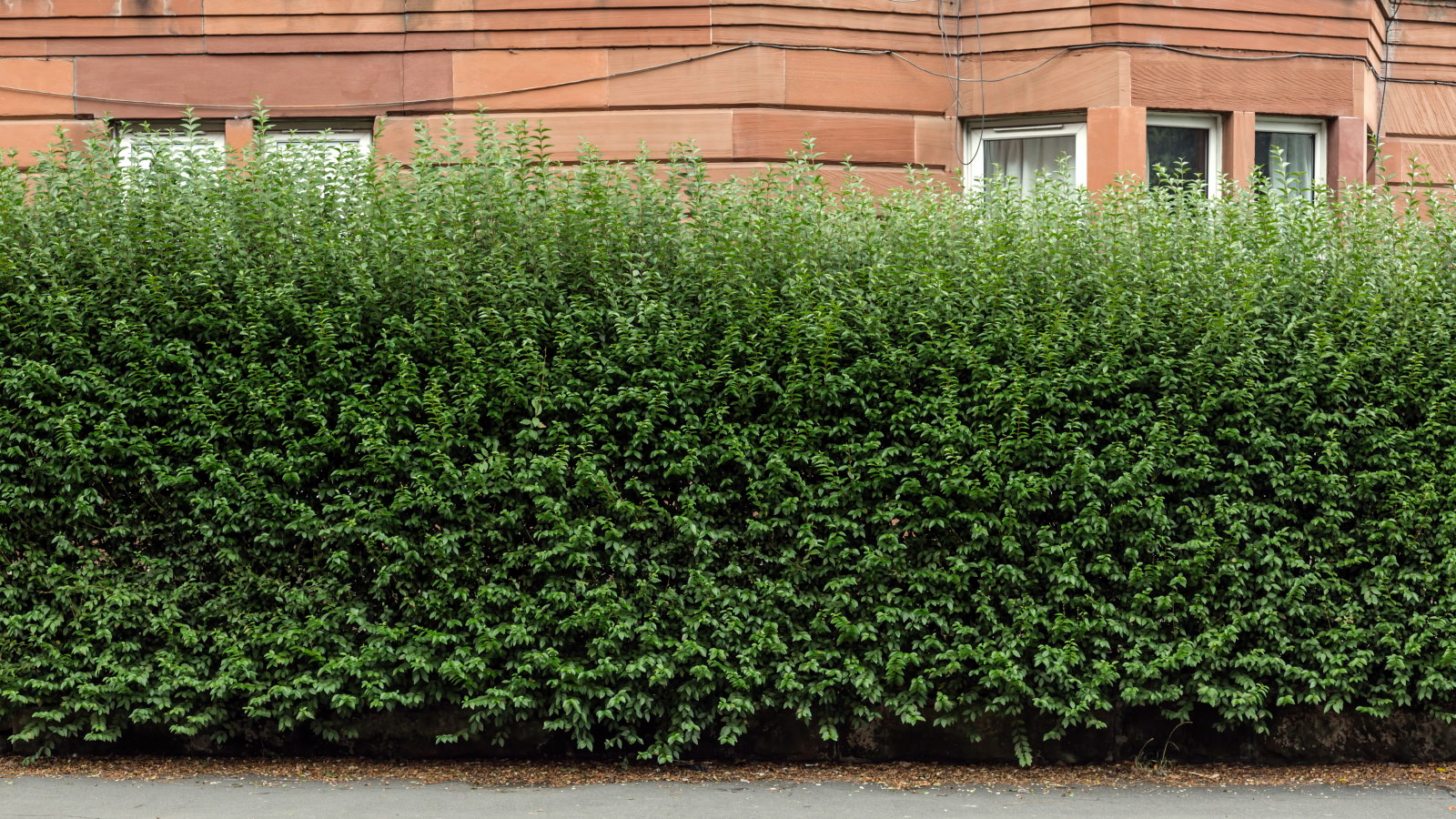
Step One: Evaluate the Structure
Before making the first cut, it helps to step back and look at the hedge as a whole. Ask a few simple questions. Has the hedge grown too tall? Has it widened beyond the space it was meant to fill? Are there sections that look thin or woody compared to others? On many Seacoast properties, hedges were planted years ago when they were small. Over time they can grow well beyond their intended footprint. A careful evaluation helps determine whether the hedge simply needs shaping or if it would benefit from a more significant rejuvenation pruning. Taking a few minutes to study the structure often makes the pruning process much easier and more effective.
Step Two: Remove Dead and Crossing Branches
The first cuts should always focus on plant health. Start by removing any dead, broken, or damaged branches. These can occur from winter storms, heavy snow, or simply natural aging. Clearing them out improves airflow and allows the plant to focus energy on healthy growth. Next, look for branches that cross or rub against each other. These can create wounds and stress points over time. Removing a few of these branches opens up the interior and helps restore balance. This kind of detailed shrub care is one of the foundations of fine gardening. It may seem like a small step, but it makes a big difference in the long term health of the hedge.
Step Three: Reduce Height and Width Gradually
One of the most common mistakes homeowners make is cutting hedges back too aggressively all at once. While some shrubs tolerate hard pruning, many benefit from a more gradual approach. Reducing the height and width slightly each year helps maintain plant vigor and prevents shock. A useful rule is to shape hedges so they are slightly narrower at the top than at the base. This allows sunlight to reach the lower branches, preventing the thinning that often occurs at ground level. In coastal areas like Rye and Portsmouth, where winter winds can be strong, a well-shaped hedge also handles storms better and maintains a more stable structure.
Step Four: Improve the Soil and Root Zone
Pruning is only part of refreshing an overgrown hedge. What happens at the base of the plant is just as important. After pruning, it is a good time to clear away weeds, old mulch, and debris around the root zone. Many Seacoast properties have compacted soils from foot traffic or years of landscape buildup. Loosening the surface slightly and applying fresh mulch can improve moisture retention and soil health. A layer of quality mulch also helps regulate soil temperature and reduces weed pressure during the growing season. This simple step supports stronger root systems and encourages healthier growth throughout spring and summer.
Step Five: Think About the Long Term Shape
A well-maintained hedge should look natural and balanced rather than overly rigid. In fine gardening, the goal is not just neatness but longevity. Thoughtful pruning encourages strong branch structure and reduces the need for heavy corrections later. Many ornamental shrubs and hedges benefit from annual maintenance pruning rather than occasional drastic cutting. A little attention each season keeps plants looking elegant and prevents them from becoming overgrown again. This approach is especially important for landscapes throughout Exeter, North Hampton, and the surrounding Seacoast communities where mature plantings are often a key part of the property’s character.
When Professional Pruning Makes Sense
Some hedges respond beautifully to careful pruning. Others require more technical decisions about how far they can safely be reduced. Older or heavily overgrown hedges often benefit from experienced evaluation before major cuts are made. Understanding how each species responds to pruning helps avoid mistakes that can take years to correct. Professional fine gardeners also consider the broader landscape, including nearby ornamental trees, soil conditions, sunlight exposure, and seasonal timing. This level of attention ensures that pruning improves both the health of the plants and the overall beauty of the property.
Preparing Your Garden for the Growing Season
Late winter is one of the most productive times for garden preparation along the Seacoast. While many homeowners are still waiting for spring flowers, experienced gardeners know that this quiet period is when important groundwork happens. Refreshing hedges, pruning shrubs, clearing weeds, and applying fresh mulch all help set the stage for a vibrant growing season. A little work before spring growth begins can make an enormous difference in how the garden looks by May and June. If your hedges have become overgrown or uneven, now is the perfect time to bring them back into shape.
Seacoast Gardener provides professional fine gardening services throughout Portsmouth, Rye, Exeter, North Hampton, and surrounding communities in New Hampshire and Southern Maine. From hedge pruning and shrub care to ornamental tree maintenance, weeding, and seasonal garden preparation, our team helps landscapes stay healthy, balanced, and beautiful year after year.
For professional hedge pruning and expert pruning care throughout the Seacoast of New Hampshire and Southern Maine,
contact us
📧 info@expertpruning.com
📞 (603) 999-7470
