

Ornamental Tree Pruning: Shaping Before Bud Break
Shaping Before Bud Break
Early spring along the New Hampshire Seacoast has a quiet moment before the landscape fully wakes up. The ground begins to soften, the light changes, and buds start to swell on ornamental trees. For gardeners in Portsmouth, Rye, Exeter, and North Hampton, this short window before bud break is one of the most important times of the year for thoughtful pruning.
Pruning ornamental trees before they leaf out is not just about appearance. It is about guiding structure, improving plant health, and ensuring trees grow beautifully for decades. When done at the right time and with the right approach, pruning becomes one of the most valuable services in fine gardening.
Why Early Spring Is the Ideal Time for Ornamental Tree Pruning
In the Seacoast region of New Hampshire and Southern Maine, ornamental trees are still dormant in late winter and very early spring. Buds may be visible, but growth has not yet started. This makes it much easier to see the natural framework of the tree and identify what needs attention.
Without leaves in the way, you can clearly spot crossing branches, dead wood, or limbs that are growing in the wrong direction. Pruning at this stage allows gardeners to shape the tree with precision while minimizing stress on the plant.
Another advantage of early spring pruning is that trees quickly respond as the growing season begins. As temperatures rise in Zone 6b, trees naturally heal pruning cuts and push new growth in the directions you guide them.
Common Ornamental Trees That Benefit from Early Pruning
Many of the ornamental trees planted across the Seacoast landscape respond especially well to pruning before bud break. Homeowners in Portsmouth, Rye, and North Hampton often have flowering trees that benefit from structural shaping early in the season.
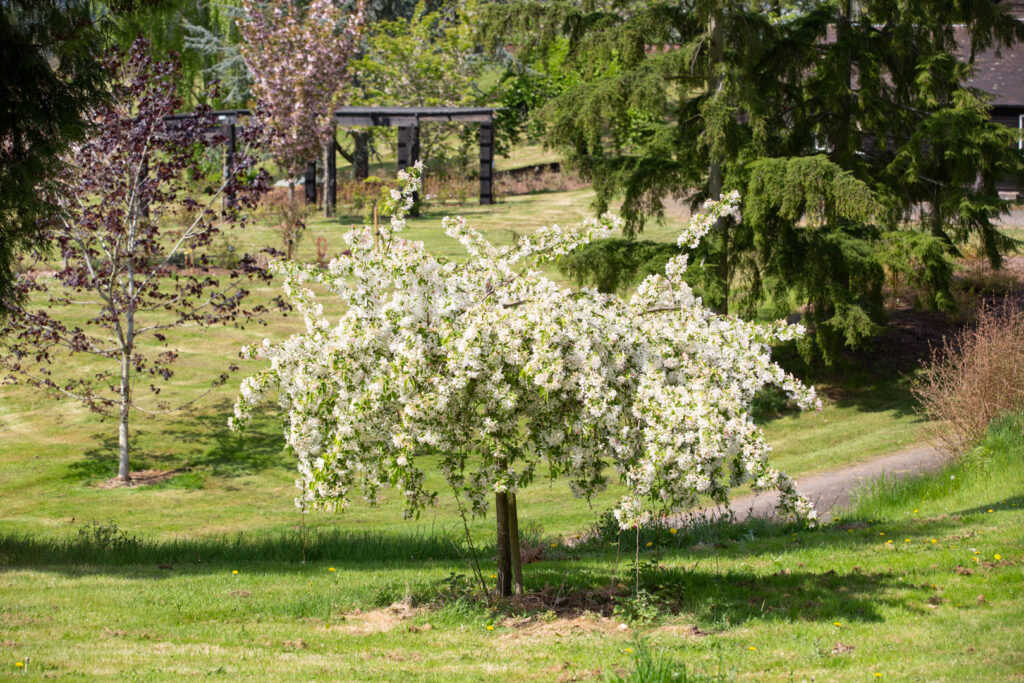
Japanese maples are a common favorite in fine gardens. Careful pruning helps maintain their elegant branching pattern while preventing crowded growth. Crabapples also benefit from thinning to improve airflow and encourage healthier flowering.
Serviceberries, ornamental cherries, and small flowering plums can also benefit from early structural pruning. Removing competing leaders and inward growing branches helps maintain the graceful form that makes these trees such focal points in the landscape.
How Pruning Shapes Healthier Trees
Pruning is not simply cutting branches. Good pruning is about understanding how a tree wants to grow and guiding it in a way that supports its natural structure.
One of the first steps is removing dead, damaged, or diseased wood. These branches not only weaken the tree but can also invite pests and disease. Early removal keeps the plant healthier as the season progresses.
Next comes thinning crowded areas of the canopy. Many ornamental trees develop crossing branches that rub against each other during windy coastal weather. Removing these improves airflow and reduces the risk of bark damage.
Finally, shaping cuts help guide the direction of new growth. By selectively pruning branches that grow inward or vertically, the tree develops a balanced, open structure that looks natural and elegant.
Understanding Seacoast Conditions
Gardening along the New Hampshire Seacoast comes with its own unique challenges. Coastal winds, sandy soils, and fluctuating spring temperatures all influence how ornamental trees grow.
In towns like Rye and North Hampton, salt exposure and strong winter winds can cause branch damage that only becomes visible in early spring. Pruning allows gardeners to remove stressed or weakened limbs before they become larger problems later in the year.
Soil conditions also play a role. Many areas across Exeter and Portsmouth have lighter soils that drain quickly. Proper pruning helps trees maintain a balanced canopy that matches the root system's ability to support growth.
This local understanding is why fine gardening services are so valuable. Pruning decisions are not just about the tree species, but also about the environment it grows in.
Pruning as Part of Complete Garden Care
Ornamental tree pruning works best when it is part of a broader garden care approach. Healthy landscapes rely on the combination of pruning, shrub care, weeding, mulching, and proper seasonal timing.
Early spring is also an excellent time to refresh mulch beds around trees and shrubs. Mulch helps retain soil moisture and moderates temperature changes that are common during Seacoast spring weather.
Weeding is another important step that often begins early in the season. Removing weeds before they take hold reduces competition for nutrients and keeps garden beds clean as plants begin to grow.
Shrub care often happens alongside ornamental tree pruning as well. Many flowering shrubs benefit from light shaping and removal of winter damage at the same time trees are being evaluated.
The Art of Fine Gardening
Fine gardening is different from standard landscaping maintenance. It focuses on careful observation, plant knowledge, and thoughtful timing.
When pruning ornamental trees, each cut is made with a purpose. The goal is to enhance the natural form of the plant rather than force it into an artificial shape.
Over time, this approach creates landscapes that look mature, balanced, and healthy. Trees become architectural features in the garden, providing structure throughout every season.
This is especially important in established Seacoast gardens, where ornamental trees often anchor the entire design of the property.
Knowing When to Call a Professional
While homeowners can certainly remove small dead branches or obvious damage, structural pruning often requires a trained eye. Incorrect cuts can weaken trees, encourage poor growth patterns, or remove too much canopy.
Professional fine gardeners understand how different species respond to pruning and how much can safely be removed in a single season. They also recognize early signs of disease, stress, or structural problems that might otherwise go unnoticed.
For homeowners in Portsmouth, Rye, Exeter, and surrounding Seacoast communities, professional pruning ensures ornamental trees remain healthy and beautifully shaped year after year.
A Thoughtful Start to the Gardening Season
There is something satisfying about working in the garden just before spring fully arrives. The air is still cool, the garden is quiet, and each careful cut helps prepare plants for the season ahead.
Pruning ornamental trees before bud break is one of the most impactful steps gardeners can take to improve the health, structure, and beauty of their landscape.
If your ornamental trees or shrubs could benefit from expert care this season, Seacoast Gardener provides professional fine gardening services throughout the New Hampshire Seacoast and Southern Maine. From pruning and shrub care to mulching, weeding, and seasonal garden maintenance, our team helps homeowners keep their landscapes thriving year after year. Reach out to schedule your early season garden care and start the growing season with a healthy, beautifully shaped garden.
