

Top Tools for Late Winter Pruning: What Every Gardener Needs
Equipping Your Seacoast Garden for a Strong Start
Late winter along the Seacoast of New Hampshire and Southern Maine is a season of quiet preparation. While snow may still linger in Portsmouth or coastal winds sweep through Rye, experienced gardeners know this is prime time for pruning. In Zone 6b, many trees and shrubs are still dormant, making structure easier to see and cuts less stressful on the plant.
As a Master Gardener and professional pruning specialist, I often remind homeowners that successful pruning begins with the right tools. Clean, sharp, well chosen equipment protects plant health, improves efficiency, and ensures precise cuts that heal properly.
Hand Pruners for Precision Work
A high quality pair of bypass hand pruners is the most essential tool in any gardener’s kit. Bypass pruners operate like scissors, making clean cuts that reduce damage to living tissue. They are ideal for trimming small branches on shrubs and ornamental trees throughout Portsmouth and North Hampton gardens.
Avoid anvil style pruners for live wood, as they can crush stems rather than slice them cleanly. In late winter, when wood may be slightly brittle from cold, sharp blades make all the difference in preserving plant health.
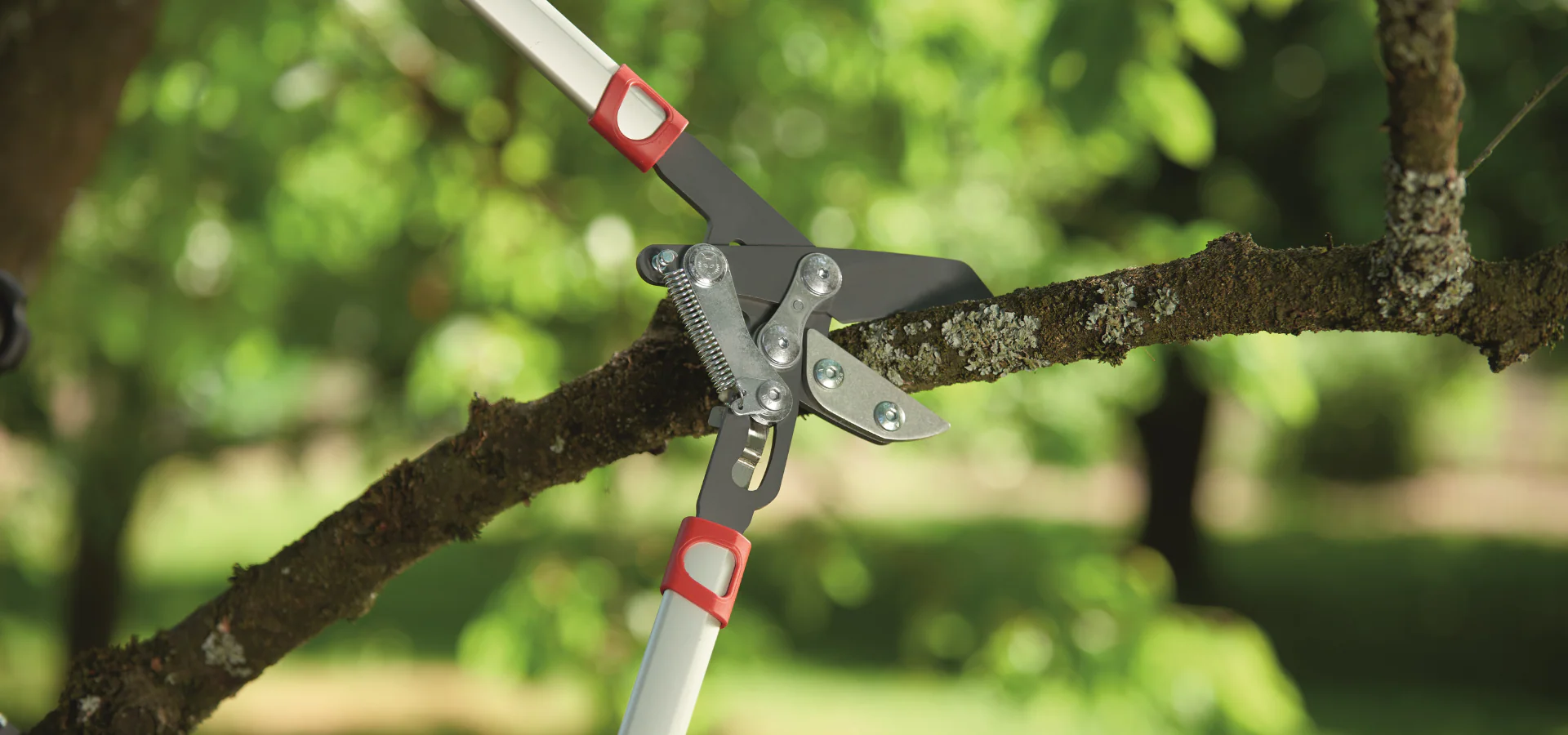
Loppers for Thicker Branches
When branches exceed the capacity of hand pruners, loppers step in. With longer handles and greater leverage, loppers are perfect for medium sized limbs on lilacs, viburnums, and other common Seacoast shrubs.
Look for loppers with sturdy construction and comfortable grips. Clean cuts reduce stress on the plant and lower the risk of disease entry, especially important in humid coastal summers in Rye and Portsmouth.
Pruning Saws for Structural Cuts
For larger limbs on fruit trees and ornamental trees, a pruning saw is indispensable. Folding or fixed blade pruning saws allow you to remove thicker branches safely and efficiently.
In Exeter and inland areas where mature trees may require more substantial structural work, a sharp saw ensures smooth cuts near the branch collar. Proper technique combined with the right saw helps trees heal more effectively.
Pole Pruners for Height and Reach
Many ornamental trees and larger shrubs in North Hampton and Southern Maine landscapes require attention beyond arm’s reach. Pole pruners extend your reach without the need for unstable ladders.
These tools are especially useful in late winter when assessing canopy structure. Removing crossing or damaged branches early sets the stage for healthy spring growth.
Sharpening and Maintenance Tools
Even the best pruning tools are only as good as their maintenance. A sharpening stone or file keeps blades razor sharp, ensuring clean cuts every time. Dull tools tear bark and leave wounds that take longer to heal.
Disinfecting tools between plants is equally important. A simple solution of rubbing alcohol helps prevent the spread of disease, especially when working on fruit trees or shrubs that may have experienced winter damage.
Protective Gear for Safety
Late winter pruning often involves cold temperatures and uneven ground. Durable gloves protect hands from sharp branches and rough bark. Eye protection shields against flying debris.
In coastal areas like Rye, where wind can be brisk even in late winter, stable footing and protective clothing are essential. Safety allows you to focus on careful, thoughtful pruning rather than rushing through the job.
Timing and Tool Selection
Having the right tools also means knowing when to use them. In Zone 6b, late winter is ideal for pruning many deciduous shrubs and fruit trees. Dormant pruning improves structure without sacrificing bloom on summer flowering plants.
However, spring flowering shrubs such as lilacs and azaleas should be pruned after bloom. Choosing the right tool for the right plant at the right time ensures optimal results.
Supporting Plant Health After Pruning
Pruning is only part of the equation. After late winter cuts, supporting plants with proper soil care enhances recovery. Compost added around the root zone improves nutrient availability in sandy Seacoast soils.
A fresh layer of mulch helps regulate soil temperature as spring approaches. Mulching also suppresses weeds, reducing competition as new growth emerges.
Integrating Pruning with Fine Gardening
Late winter pruning is often the first step in a comprehensive fine gardening plan. Coordinating shrub care, ornamental tree maintenance, and seasonal weeding prepares the landscape for a strong growing season.
In Portsmouth, Rye, Exeter, and North Hampton, we often integrate pruning with broader garden assessments. Addressing structure, soil health, and plant placement together creates balanced, resilient landscapes.
Common Mistakes to Avoid
Using the wrong tool for the job can cause unnecessary damage. Attempting to cut thick branches with hand pruners may result in torn bark. Neglecting tool maintenance reduces precision and plant health.
Over pruning is another common mistake. Late winter is a time for thoughtful structural improvement, not drastic reshaping. Careful, measured cuts protect long term vitality.
The Value of Professional Expertise
While many homeowners enjoy tending their gardens, certain pruning tasks require experience and specialized equipment. Large ornamental trees, mature fruit trees, and complex shrub rejuvenation projects benefit from professional care.
At Expert Pruning, we combine proper tools with knowledge of local Seacoast conditions. Our understanding of Zone 6b timing, soil types, and plant varieties ensures that every cut supports plant health and longevity.
If you are preparing for late winter pruning in Portsmouth, Rye, Exeter, North Hampton, or anywhere along the Seacoast of New Hampshire and Southern Maine, Expert Pruning is here to help. We provide professional pruning, shrub care, ornamental tree maintenance, mulching, and comprehensive fine gardening services tailored to your landscape.
With the right tools and expert guidance, late winter becomes an opportunity rather than a challenge. Let Expert Pruning help you equip your garden for a healthy, beautiful season ahead.
Contact Us
📧 info@expertpruning.com
📞 (603) 999-7470
