

How to Shape Shrubs Before Dormancy Begins
How to Shape Shrubs Before Dormancy Begins
There's a narrow window every fall when shaping a shrub actually helps it rather than working against it. Miss that window and you either stress the plant heading into winter or set it up for lopsided growth come spring. Understanding when dormancy actually begins for our Seacoast climate, and what kind of pruning is appropriate right up until then, makes all the difference.
Understanding Dormancy in Zone 6b
Dormancy isn't a single switch that flips on the first frost, it's a gradual process that starts as day length shortens and temperatures cool. Here on the Seacoast, most shrubs begin slowing their growth by mid to late September, even though we might not see our first hard frost until well into October or November. That in-between period is actually a good time for certain kinds of shaping, as long as you know which cuts are appropriate.
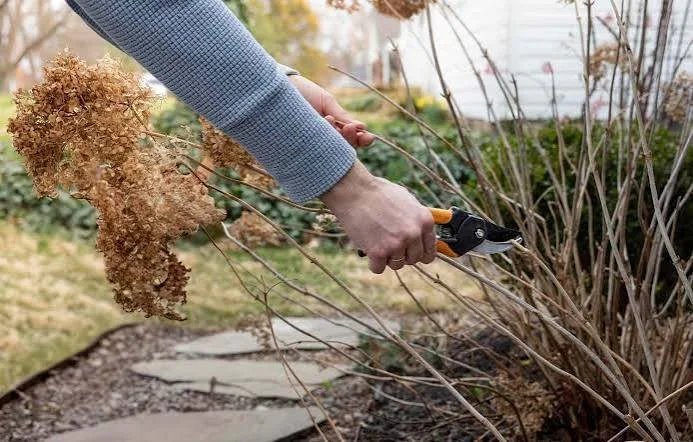
The key distinction is between light maintenance shaping and hard structural pruning. Light shaping now helps a shrub hold its form through winter. Hard pruning now can push out a flush of tender new growth that won't have time to harden off before the cold arrives, leaving those new shoots vulnerable to dieback.
Which Shrubs Are Good Candidates Right Now
Evergreen shrubs like boxwood, yew, and holly respond well to a light shaping pass in early fall, since they're not pushing significant new growth this time of year the way they do in spring. A gentle trim to clean up the outline and remove any wayward shoots keeps them looking sharp through the winter months when there's not much else happening in the garden.
Deciduous shrubs are a different story. Many spring-flowering varieties, like forsythia and lilac, have already set next year's flower buds by late summer, so any significant shaping now removes the very growth that would have bloomed. For these, stick to removing dead or damaged branches only, and save the real shaping for right after they finish flowering next year.
The Case for Restraint
It's worth saying plainly that less is often more here. A shrub that's been shaped hard every fall for years can start to develop a dense, twiggy outer shell with very little growth happening on the interior, which actually reduces airflow and invites the kind of fungal issues that our damp Seacoast autumns are so good at encouraging. If a shrub in your Portsmouth yard has gotten into that pattern, this is a good year to shape it more conservatively and let some interior growth fill back in.
When you do shape, try to follow the plant's natural form rather than forcing it into a rigid geometric shape it doesn't want to hold. Not only does this look more relaxed and at home in a New England landscape, it also puts less stress on the plant overall.
Reading Your Shrubs Before You Cut
Walk your property and take note of which shrubs have simply outgrown their space, which have developed a lopsided shape from reaching toward light, and which are otherwise healthy and just need a light touch-up. This assessment takes ten minutes and saves you from cutting on impulse, which is how a lot of over-pruning happens.
If you notice significant deadwood, cracked branches, or signs of disease while you're looking things over, those can and should be removed now regardless of species or dormancy timing. Sanitation pruning is always appropriate, since leaving damaged wood in place through winter only invites further problems.
Finishing Up for the Season
Once you've done your shaping, a fresh layer of mulch, kept a few inches back from the base of each shrub, helps regulate soil temperature and moisture through our freeze-thaw winters. Clearing weeds from the base at the same time removes competition right as your shrubs are settling in for the cold months ahead.
Timing your last cuts of the season for late September through early October, well before a hard freeze, gives any fresh wounds time to begin healing before dormancy fully sets in.
Let an Experienced Eye Guide the Cuts
Knowing exactly which shrubs want shaping now and which want to be left alone takes an experienced eye, and getting it wrong can cost you a season of blooms or leave a shrub more vulnerable to winter damage. If your Portsmouth property could use a professional assessment before the cold sets in, we'd love to help. Contact Expert Pruning today at (603) 999-7470 or info@expertpruning.com to schedule a fall visit, and let's get your shrubs shaped up right before dormancy begins.
