

How to Spot and Remove Winter Damaged Branches
Restoring Health to Seacoast Trees and Shrubs
Winter along the Seacoast of New Hampshire and Southern Maine can be beautiful, but it is rarely gentle. Between coastal winds in Rye, heavy wet snow in Portsmouth, and fluctuating temperatures in Exeter and North Hampton, trees and shrubs endure a great deal in Zone 6b. By early spring, many homeowners notice broken limbs, split branches, or sections that simply did not survive the cold.
As a Master Gardener and professional pruning specialist, I often remind clients that early spring is the ideal time to assess and address winter damage. Removing compromised wood promptly protects plant health, improves structure, and sets the stage for strong seasonal growth.
Why Winter Damage Happens
Winter damage typically results from a combination of factors. Heavy snow and ice can bend or snap branches, especially on ornamental trees and multi stem shrubs. Sudden temperature swings cause bark splitting and frost cracks.
Coastal exposure adds another layer of stress. Salt laden winds in Portsmouth and Rye can dry out buds and twigs, while repeated freeze and thaw cycles weaken branch joints. Even well established trees can show signs of strain by late winter.
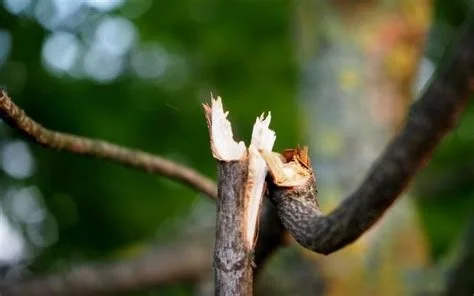
How to Identify Dead or Damaged Wood
The first step is careful observation. Dead branches often appear brittle, discolored, or lacking visible buds. If you gently scratch the bark with a fingernail and see brown tissue beneath instead of green, the branch is likely no longer alive.
Look for cracks where branches meet the trunk. These weak points may not break immediately but can fail during spring storms. Split limbs, hanging branches, or areas with peeling bark are also signs that pruning is needed.
Assessing Shrubs and Ornamental Trees
Shrubs such as hydrangeas, lilacs, and viburnums frequently suffer tip dieback after harsh winters in Zone 6b. Inspect each stem individually. Some may show new growth at the base while upper portions remain lifeless.
Ornamental trees require similar attention. Dogwoods, crabapples, and maples in North Hampton and Exeter landscapes often develop minor structural damage that should be corrected before leaf out. Early assessment prevents future breakage and disease entry.
When to Prune Winter Damaged Branches
Late winter to early spring is typically the best window for corrective pruning. Trees are still dormant, making structure easier to see. Removing damaged wood before active growth begins allows plants to direct energy into healthy branches.
However, avoid pruning during extreme cold. Wait for a milder stretch of weather when temperatures are consistently above freezing. Clean cuts heal more efficiently under moderate conditions.
Making Proper Pruning Cuts
Use sharp, clean tools to make precise cuts just outside the branch collar, the slightly swollen area where the branch meets the trunk. Cutting too close damages protective tissue. Leaving a long stub invites decay.
For larger limbs, use the three cut method to prevent bark tearing. First make a small undercut, then a second cut from above to remove the weight, and finally a clean finishing cut near the collar. Proper technique reduces stress and supports long term tree health.
Supporting Recovery Through Soil Care
Pruning is only part of the recovery process. Healthy soil helps plants rebound more quickly from winter stress. Applying compost around the root zone improves nutrient availability, especially in sandy Seacoast soils.
A fresh layer of mulch conserves moisture and stabilizes soil temperature as spring progresses. Mulching also reduces weed competition, allowing trees and shrubs to focus energy on new growth.
Monitoring for Hidden Damage
Some winter injuries are not immediately visible. Watch for delayed leafing or sections that fail to bloom. In fruit trees, reduced flower production can signal damage to buds formed the previous season.
Regular inspection throughout spring helps you identify lingering issues. Addressing small problems early prevents larger structural concerns later in the growing season.
Protecting Long Term Plant Structure
Removing winter damaged branches is not just about aesthetics. It preserves structural integrity. Weak or split limbs left unattended can fail during summer storms, causing further harm to the tree and surrounding landscape.
In many Portsmouth and Rye properties, we integrate winter damage assessment into comprehensive pruning and shrub care plans. Coordinated seasonal maintenance keeps landscapes safe, healthy, and visually balanced.
Common Mistakes to Avoid
One common mistake is over pruning in response to winter damage. Removing too much live growth can stress the plant further. Focus only on clearly dead, broken, or compromised wood.
Another mistake is delaying action too long. Damaged branches can become entry points for pests and disease. Prompt, careful pruning protects both the plant and nearby shrubs and ornamental trees.
The Value of Professional Pruning
Winter damage can be subtle, and improper cuts can do more harm than good. Professional pruning ensures that corrective work strengthens the plant rather than weakening it. Experience with local Seacoast conditions allows for precise timing and technique.
At Expert Pruning, we understand how coastal winds, fluctuating temperatures, and varied soil types affect trees and shrubs throughout Portsmouth, Rye, Exeter, North Hampton, and the surrounding Seacoast of New Hampshire and Southern Maine.
If you notice broken, cracked, or lifeless branches in your landscape, now is the time to act. Expert Pruning provides professional pruning, shrub care, ornamental tree maintenance, mulching, and fine gardening services tailored to Zone 6b conditions.
Removing winter damaged branches thoughtfully and at the right time sets your garden up for a healthier, more resilient growing season. Let Expert Pruning help restore strength and beauty to your landscape with careful, knowledgeable care.
