

Late Winter Hedge Pruning: Setting the Stage for Dense Growth
Setting the Stage for Dense Growth
Hedges do a lot of quiet work in Seacoast landscapes. They define property lines, block winter winds, soften hard edges, and create privacy in towns like Portsmouth, Rye, and Exeter. When cared for properly, a hedge becomes a living structure that looks intentional rather than overgrown. As a Master Gardener working in Zone 6b, I often tell homeowners that late winter is one of the most important moments for hedge health. Pruning now sets the tone for the entire growing season. The right cuts at the right time encourage dense growth, better shape, and fewer problems later in the year.
Why Late Winter Matters in the Seacoast Climate
Late winter offers a unique opportunity because plants are still dormant. In our Seacoast climate, temperatures fluctuate, but most hedges have not yet begun active growth. This dormancy allows plants to tolerate pruning with minimal stress. Coastal soils in areas like North Hampton and Hampton Falls often drain well and warm early in spring. By pruning before growth starts, you allow hedges to respond evenly once daylight and soil temperatures increase. This results in fuller growth from top to bottom rather than thin, leggy sections.
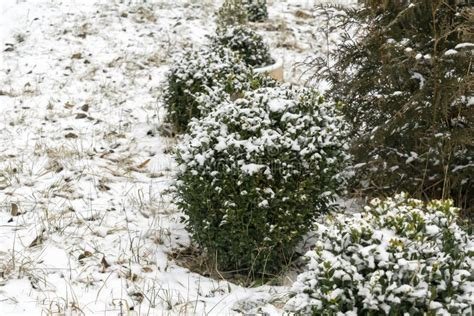
How Hedge Plants Respond to Pruning
Hedges respond to pruning by redirecting energy to dormant buds below the cut. Late winter pruning activates these buds evenly as the season begins. This is what creates a dense, healthy hedge instead of one that grows tall but sparse. If pruning is delayed until late spring, new growth may already be concentrated at the tips. Cutting at that stage removes energy the plant has already spent. Late winter timing works with the plant’s biology rather than against it.
Choosing the Right Time in Zone 6b
In Zone 6b, late winter typically falls between mid February and early March. The goal is to prune after the harshest cold has passed but before buds swell. This window varies slightly depending on exposure and plant type. Hedges in sheltered areas of Portsmouth may wake earlier than those in open, windy locations. Observing your landscape closely helps determine the right moment. When buds are still tight and dormant, it is time to prune.
What to Prune and What to Preserve
Start by removing dead, damaged, or diseased branches. These weaken the hedge and interfere with healthy growth. Clearing them first allows you to see the true structure of the plant. Next, focus on shaping rather than shortening. Pruning should encourage light to reach the lower branches. Slightly tapering hedges so they are wider at the base helps prevent bare spots and promotes even growth from top to bottom.
Common Hedge Pruning Mistakes
One common mistake is shearing hedges into rigid shapes year after year. This creates a dense outer shell while the interior becomes woody and lifeless. Over time, this weakens the plant and reduces its ability to recover. Another mistake is removing too much at once. Heavy pruning in late winter can shock certain hedge species. Gradual, consistent pruning supports longevity and keeps hedges looking natural rather than forced.
Shrub Care and Soil Support Matter
Healthy hedges depend on more than pruning alone. Shrub care practices like weeding and mulching play a major role in how well hedges respond. Weeds compete for moisture and nutrients just as growth begins in spring. Mulching after pruning helps regulate soil temperature and retain moisture. In sandy Seacoast soils, mulch also improves soil structure over time. Keeping mulch a few inches away from stems prevents rot and pest issues.
Evergreen vs Deciduous Hedges
Not all hedges respond the same way to late winter pruning. Deciduous hedges such as privet or hornbeam benefit greatly from dormant season pruning. This timing encourages vigorous, uniform spring growth. Evergreen hedges require a lighter touch. Late winter pruning should focus on removing damaged branches rather than heavy shaping. Fine gardening means understanding the specific needs of each plant type rather than applying a single approach.
How Ornamental Trees and Hedges Work Together
Hedges often share space with ornamental trees and perennial plantings. Proper pruning keeps hedges from competing with nearby trees for light and air. This is especially important in tightly planted gardens common in Exeter and older neighborhoods along the coast. Balancing hedge height and width allows ornamental trees to thrive while maintaining privacy and structure. A well planned pruning strategy supports the entire landscape, not just individual plants.
What Homeowners Can Do Now
Homeowners can begin by walking their property and assessing hedge condition. Look for bare sections, uneven growth, or signs of winter damage. These observations guide pruning decisions. Use sharp, clean tools to make precise cuts. Avoid rushing and step back frequently to assess balance and shape. When uncertainty arises, stopping early is always better than over pruning.
When Professional Pruning Makes the Difference
Hedges may look simple, but maintaining them properly takes experience. Plant species, age, exposure, and soil conditions all influence how a hedge should be pruned. Incorrect cuts can take years to correct. Professional pruning ensures that hedges are shaped with long term health in mind. In Seacoast towns where landscapes face wind, salt exposure, and changing weather, knowledgeable care matters.
Setting Up a Strong Growing Season
Late winter hedge pruning is one of the most effective ways to improve the appearance and health of your landscape. When done thoughtfully, it reduces maintenance later in the season and encourages strong, dense growth. Expert Pruning is here to help homeowners make the most of this important seasonal window. With a fine gardening approach and deep understanding of Zone 6b conditions, Expert Pruning provides careful, well timed pruning that supports healthy hedges and beautiful landscapes across the Seacoast of New Hampshire and Southern Maine.
