

March Pruning Guide: Transitioning From Dormant to Active Growth
March: The Bridge to Spring Growth
If you garden along the Seacoast, you know March is a month of quiet change. The snow recedes in patches across Portsmouth and Rye, and the soil begins to soften in Exeter and North Hampton. Buds are still tight, but the energy inside your shrubs and ornamental trees is waking up. This is the moment when thoughtful pruning sets the stage for a strong, beautiful growing season.
As a Master Gardener working in Zone 6b, I think of March as a bridge between dormancy and active growth. Plants are still resting, which makes structure easier to see, but sap will soon begin to rise. Pruning now, when timed correctly, helps guide that new growth in healthy directions. It is less about cutting back and more about shaping the year ahead.
Why March Matters in Zone 6b
Our coastal climate brings its own rhythm. The ocean moderates temperatures in towns like Rye and Portsmouth, but inland areas such as Exeter may hold frost a little longer. Soils can range from sandy and fast draining near the coast to heavier and more compacted further inland. Understanding these local differences is key to smart seasonal pruning.
During dormancy, trees and shrubs store energy in their roots. When we prune just before active growth begins, we direct that stored energy into fewer, stronger buds. The result is more vigorous growth, better flowering, and improved overall plant health. Done properly, March pruning supports longevity rather than stressing the plant.
What to Prune in Early March
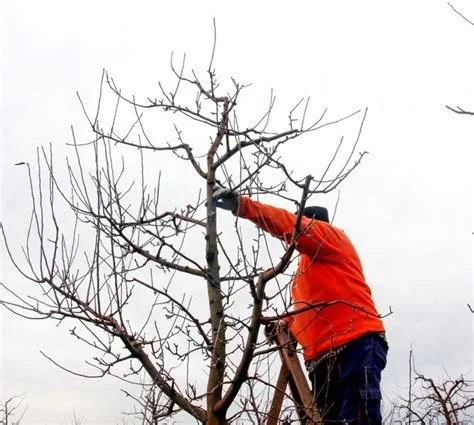
Many ornamental trees and deciduous shrubs benefit from late winter to early spring pruning. This includes apple and crabapple trees, hydrangeas that bloom on new wood, roses, and summer flowering shrubs like spirea. Structural pruning is especially important now, before leaves hide crossing branches and weak growth.
Focus first on removing dead, damaged, or diseased wood. Winter storms along the Seacoast can cause subtle breakage that is not obvious until you look closely.
Clean, precise cuts reduce the risk of disease and encourage proper healing. Avoid tearing bark, and always prune just outside the branch collar to support natural wound closure.
For ornamental trees in established landscapes, March is also ideal for corrective pruning. This is when we improve branch spacing, reduce competing leaders, and restore balance after years of unmanaged growth. In neighborhoods across North Hampton and Southern Maine, I often see trees that were planted beautifully but never shaped properly. A careful structural approach now can prevent costly issues later.
What to Leave Alone
Not everything should be pruned in March. Spring flowering shrubs like lilac, forsythia, and rhododendron set their buds the previous year. If you prune them now, you will remove this season’s blooms. For these plants, wait until just after flowering in late spring.
It is also wise to be patient if the ground is still frozen or saturated. Heavy foot traffic around root zones in waterlogged soil can cause compaction. In parts of Exeter with heavier soils, this is especially important. Good timing protects both plant structure and soil health.
Transitioning From Pruning to Full Spring Care
Pruning in March is only one piece of the puzzle. As plants move from dormancy to active growth, this is also the time to prepare beds for the season ahead. Light weeding removes early invaders before they establish deep roots. Refreshing mulch helps regulate soil temperature and retain moisture as spring warms.
In sandy soils near the coast, mulch is particularly valuable for moisture retention. In heavier soils, it improves surface structure and reduces erosion from spring rains. Keep mulch a few inches away from the base of trunks and stems to prevent rot. A well mulched bed not only looks polished but supports long term plant health.
Shrub care in March may also include selective thinning. Opening up dense shrubs improves air circulation, which reduces fungal issues later in the humid summer months. Along the Seacoast, where coastal fog and morning dew are common, airflow is one of your best defenses against disease.
Ornamental grasses can be cut back now before new blades emerge. Cut them down to several inches above the ground to make space for fresh growth. This simple step keeps landscapes in Portsmouth and Rye looking tidy while encouraging vigorous spring development.
A Story From a Portsmouth Garden
I remember a property in Portsmouth where the homeowner felt her front yard had lost its charm. The shrubs were overgrown, the ornamental trees uneven, and winter damage had left everything looking tired. In early March, before the buds broke, we performed a careful structural pruning.
We removed crossing branches, reduced height where needed, and thinned crowded interiors. Within weeks, as active growth began, the transformation was clear. The plants flushed out evenly, flowered more abundantly, and the entire garden regained its balance. That is the quiet power of well timed pruning.
Practical Tips for Homeowners
Walk your property in March with a critical eye. Look for branches rubbing against each other, stems growing inward, and any signs of winter damage. Use sharp, clean tools and make deliberate cuts rather than random trims. Avoid topping trees or shearing shrubs into tight shapes unless they are formal hedges.
If you are unsure about the flowering habits of a plant, pause before pruning. Identifying whether it blooms on old wood or new wood makes all the difference. When in doubt, consult a professional fine gardening and pruning service familiar with Zone 6b conditions.
Remember that healthy plants are the result of consistent, thoughtful care. Pruning, weeding, mulching, and seasonal timing work together. March is not about rushing into spring, but about preparing for it with intention.
Partnering With a Local Expert
Transitioning from dormant to active growth is a delicate phase. The right cuts at the right time can enhance structure, improve flowering, and extend the life of your landscape. The wrong cuts can set plants back for years.
At Expert Pruning, we specialize in professional pruning, shrub care, ornamental trees, and seasonal garden maintenance throughout Portsmouth, Rye, Exeter, North Hampton, and Southern Maine. Our approach blends technical knowledge with an understanding of the Seacoast climate and soils. If you would like your landscape to move confidently into the growing season, we would be honored to help guide it there.
March is the bridge between winter and spring. With careful hands and local expertise, that bridge can lead to a garden that thrives all year long.
Reach out to schedule a consultation or ask a question about your garden.
📧 info@expertpruning.com
📞 (603) 999-7470
