

The Role of Heading Cuts vs. Thinning Cuts in Shrub Health
Understanding the Difference for Stronger Seacoast Gardens
If you have ever wondered why one shrub looks naturally full and graceful while another appears tight and overgrown, the answer often comes down to pruning technique. Here on the Seacoast of New Hampshire and Southern Maine, proper pruning is not just about cutting back growth. It is about making the right type of cut at the right time.
As a Master Gardener working in Zone 6b, I often explain to homeowners in Portsmouth, Rye, Exeter, and North Hampton that there are two primary types of pruning cuts used in shrub care: heading cuts and thinning cuts. Understanding how each affects plant health is key to maintaining beautiful, long lived landscapes.
What Is a Heading Cut
A heading cut shortens a branch by cutting it back to a bud or smaller side branch. This type of cut stimulates new growth just below where the cut is made. It encourages branching and can make a shrub appear fuller.
Heading cuts are often used to shape young plants or encourage denser growth in certain species. However, when overused, they can lead to a thick outer shell of foliage that blocks light from reaching the interior of the shrub.
What Is a Thinning Cut
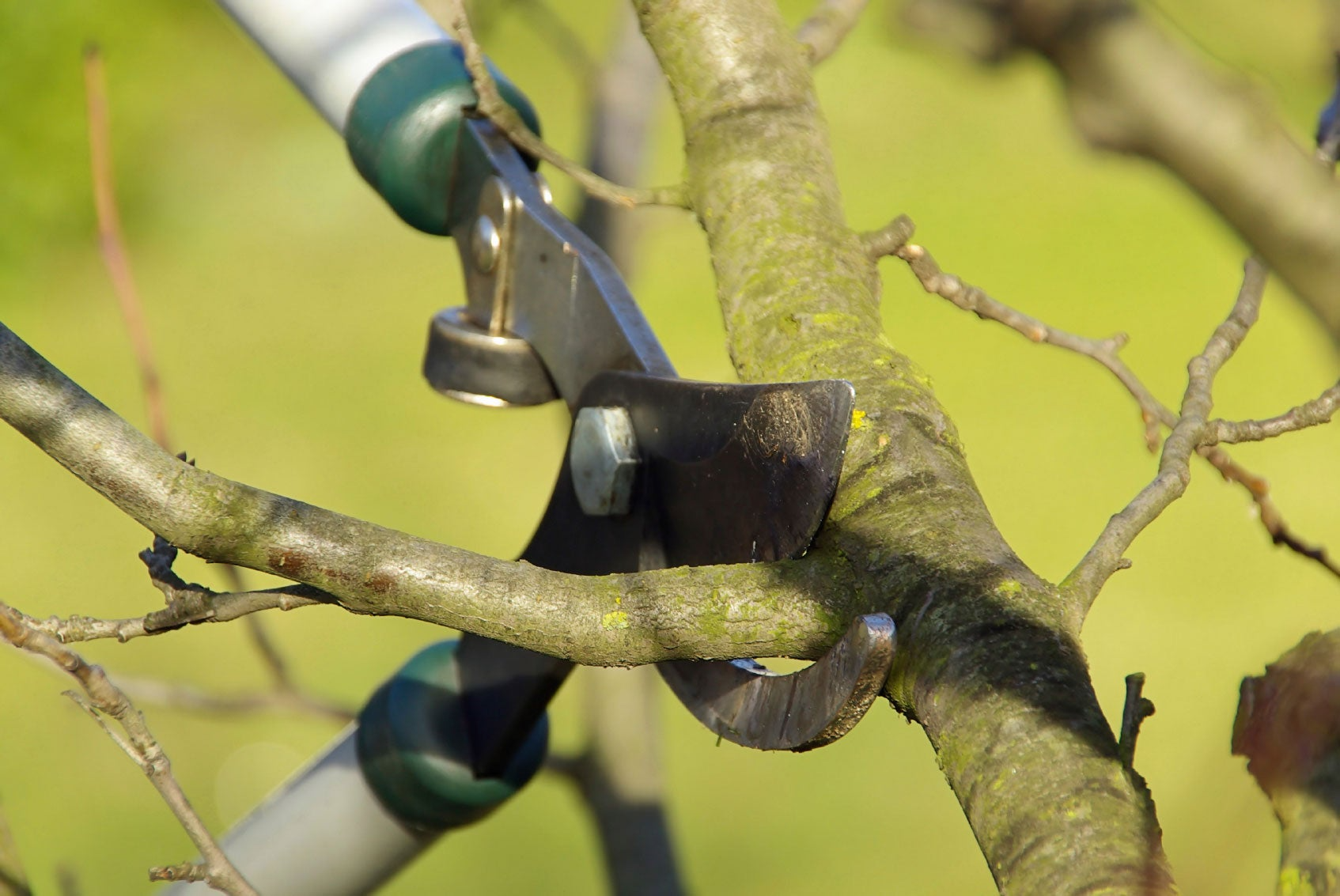
A thinning cut removes an entire branch back to its point of origin, either at the base of the shrub or where it joins a larger branch. This type of cut opens up the plant without stimulating excessive new growth at the cut site.
Thinning cuts improve airflow and light penetration. In the humid Seacoast summers, better air circulation reduces the risk of fungal disease. Thinning also maintains a more natural form, which is often preferable in fine gardening design.
How Each Cut Affects Shrub Health
Heading cuts stimulate vigorous new shoots. While this can be useful, it can also result in crowded growth if not balanced with thinning. Dense outer growth shades inner branches, which may decline or die over time.
Thinning cuts promote structural strength. By removing selected stems, you reduce competition and allow remaining branches to develop fully. In established Portsmouth and North Hampton landscapes, thinning often leads to healthier shrubs with improved bloom and leaf quality.
When to Use Heading Cuts
Heading cuts are best used strategically. For example, if a shrub has grown leggy or uneven, selective heading can encourage branching where it is needed. They are also helpful when shaping hedges or encouraging compact growth in young plants.
Timing matters. For spring flowering shrubs in Zone 6b, heading cuts should generally be made right after bloom to avoid removing next year’s buds. For summer flowering shrubs, late winter or early spring may be appropriate.
When to Use Thinning Cuts
Thinning cuts are often the foundation of long term shrub care. They are especially valuable for mature shrubs that have become dense or overgrown. Removing one or two of the oldest stems at the base each year encourages renewal and keeps the plant from becoming woody.
In coastal areas like Rye and Portsmouth, thinning helps shrubs withstand strong winds by reducing excess surface area. In inland Exeter gardens, improved airflow also limits moisture related diseases.
Balancing Both Techniques
Healthy pruning rarely relies on only one type of cut. A balanced approach often produces the best results. Thinning provides structure and light, while occasional heading refines shape and density.
This balance is especially important in ornamental shrubs that serve as focal points within a landscape. Proper pruning enhances their natural beauty rather than forcing them into artificial shapes.
Integrating Pruning With Overall Garden Care
Pruning does not happen in isolation. After making heading or thinning cuts, supporting the shrub with proper soil care is essential. Compost improves nutrient availability, especially in sandy Seacoast soils.
A fresh layer of mulch conserves moisture and regulates soil temperature during summer heat. Regular weeding reduces competition and allows shrubs to channel energy into healthy growth and flowering.
Common Mistakes to Avoid
One common mistake is shearing shrubs uniformly without understanding the difference between cut types. Shearing primarily relies on heading cuts and can create dense outer growth that hides interior decline.
Another mistake is removing too much at once. Gradual, thoughtful pruning protects plant health and reduces stress. Clean, sharp tools are also critical to ensure precise cuts that heal quickly.
Why Professional Pruning Makes a Difference
Understanding when and how to apply heading and thinning cuts requires experience. Each shrub species responds differently, and local climate conditions in Zone 6b influence timing and recovery.
At Expert Pruning, we tailor our approach to each property in Portsmouth, Rye, Exeter, North Hampton, and throughout the Seacoast of New Hampshire and Southern Maine. Our goal is to enhance shrub health, maintain structural integrity, and preserve the natural beauty of your landscape.
If you are unsure which pruning technique your shrubs need, professional guidance can make all the difference. Expert Pruning provides comprehensive shrub care, ornamental tree maintenance, mulching, and fine gardening services designed for long term plant health.
With the right combination of heading and thinning cuts, your shrubs can remain vibrant, well shaped, and resilient for years to come. Let Expert Pruning help you maintain a healthy, thriving garden rooted in knowledge and careful craftsmanship.
For professional shrub pruning and expert pruning care throughout the Seacoast of New Hampshire and Southern Maine, contact us at 📧info@expertpruning.com
or call 📞 (603) 999-7470 to schedule your consultation.
