

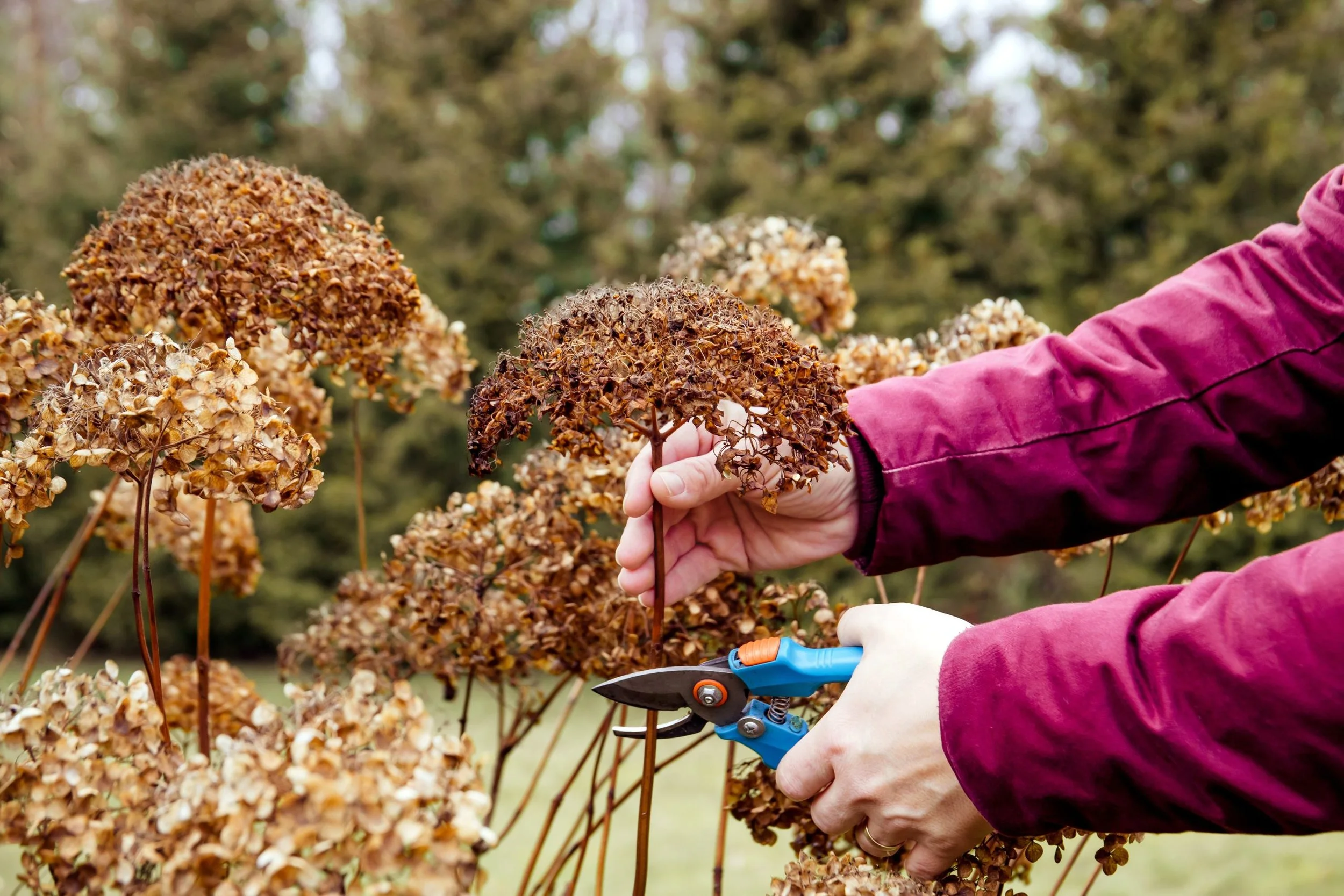
Prune Your Limelight Hydrangeas the Right Way for Strong Growth
Limelight hydrangeas are one of the most rewarding shrubs in a Seacoast garden — but only when they're pruned at the right time, in the right way. Learn how a simple late-winter cutback can transform a tired, floppy plant into a sturdy, bloom-covered showstopper, and why the new-wood habit of Hydrangea paniculata makes all the difference.
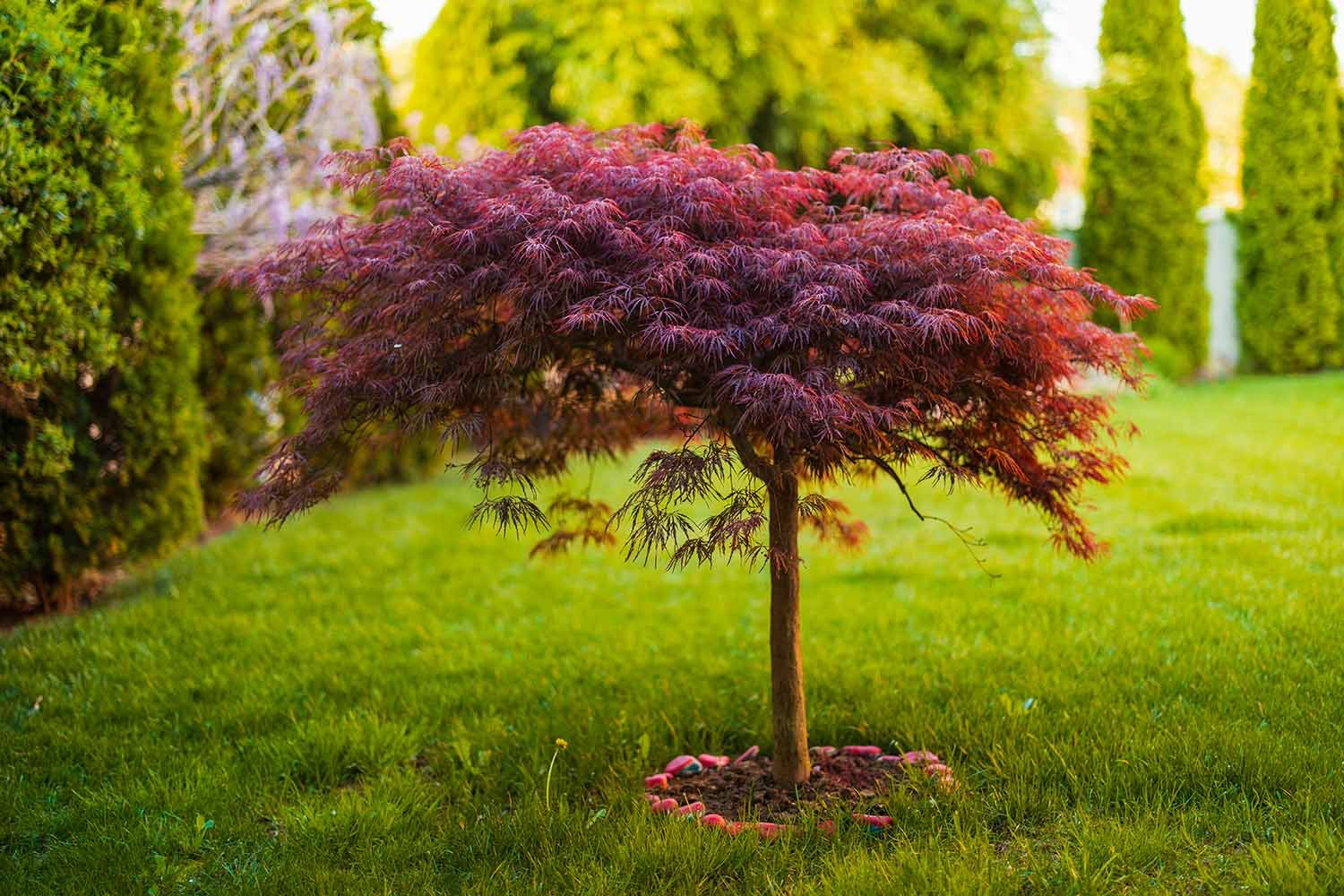
Ornamental Tree Pruning: Shaping Before Bud Break
Early spring is the ideal time to prune ornamental trees along the New Hampshire Seacoast. Before bud break in Zone 6b, careful pruning helps shape structure, remove damaged branches, and guide healthy new growth. This guide explains how thoughtful pruning keeps ornamental trees in Portsmouth, Rye, Exeter, and nearby towns strong, balanced, and beautiful for years to come.
How to Refresh Overgrown Hedges Before Spring Growth
Late winter is the ideal time to refresh overgrown hedges across the New Hampshire Seacoast. With shrubs still dormant in Zone 6b, thoughtful pruning can restore structure, improve airflow, and encourage stronger spring growth. This guide shares practical steps for homeowners in Portsmouth, Rye, Exeter, and nearby towns to reshape hedges and prepare their landscapes for the growing season.
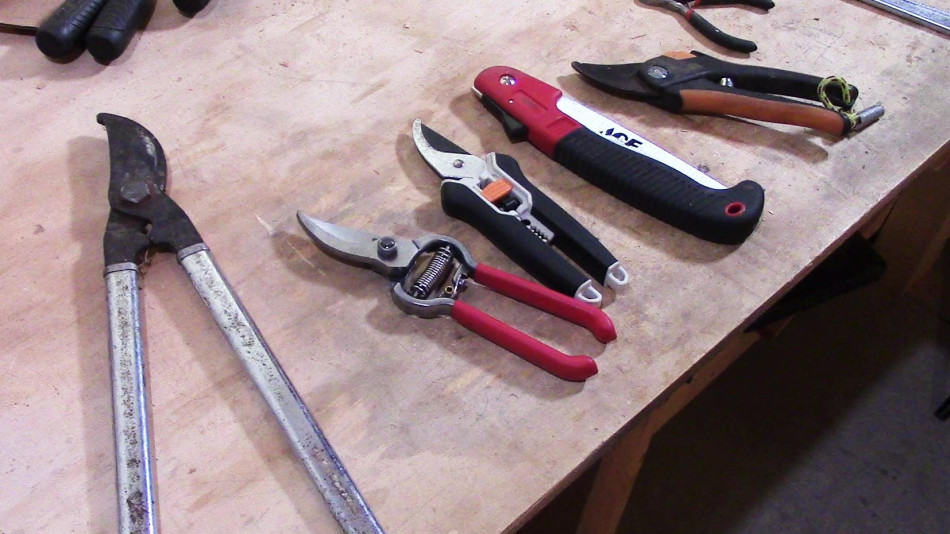
Top Tools for Late Winter Pruning: What Every Gardener Needs
Late winter is the perfect time to shape and strengthen your landscape, but success starts with the right tools. From sharp hand pruners and loppers to pruning saws and proper safety gear, having quality equipment ensures clean cuts and healthier shrubs and trees in Zone 6b. With the right preparation, Seacoast gardens in Portsmouth, Rye, Exeter, and North Hampton can enter spring strong and ready to thrive.
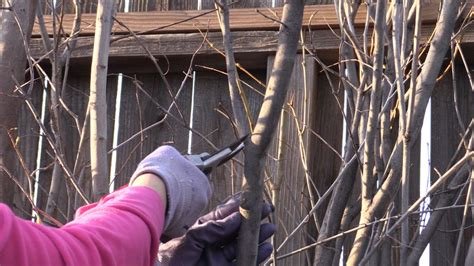
The Role of Heading Cuts vs. Thinning Cuts in Shrub Health
Understanding the difference between heading cuts and thinning cuts is essential for maintaining healthy, well structured shrubs. While heading cuts encourage dense new growth, thinning cuts improve airflow, light penetration, and overall plant strength. Using the right technique at the right time helps Seacoast shrubs thrive season after season.
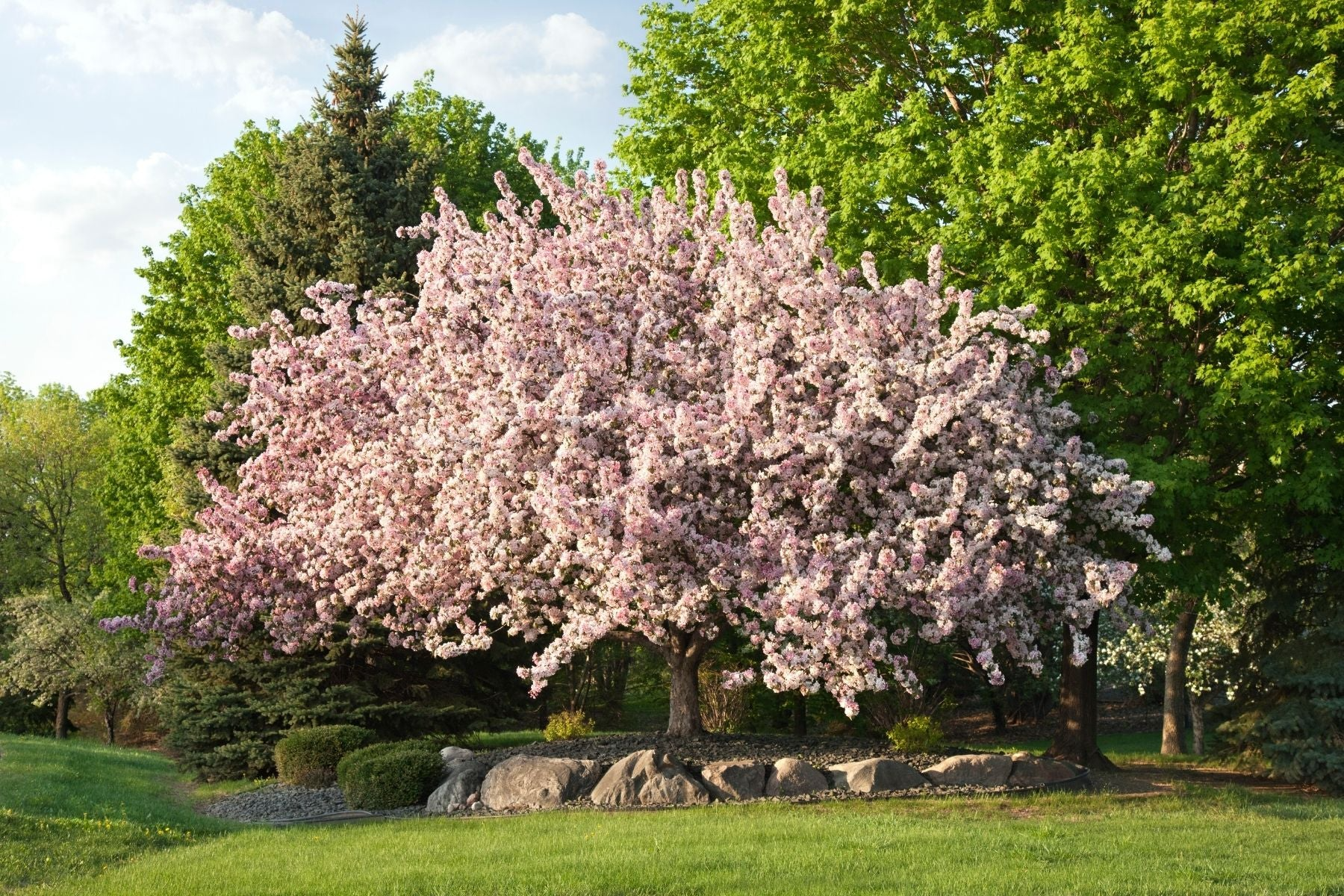
March Pruning Guide: Transitioning From Dormant to Active Growth
March is the ideal time for pruning in the Seacoast of New Hampshire and Southern Maine. Learn how to transition shrubs and ornamental trees from dormancy to active growth with expert pruning tips for Zone 6b gardens in Portsmouth, Rye, Exeter, and North Hampton.
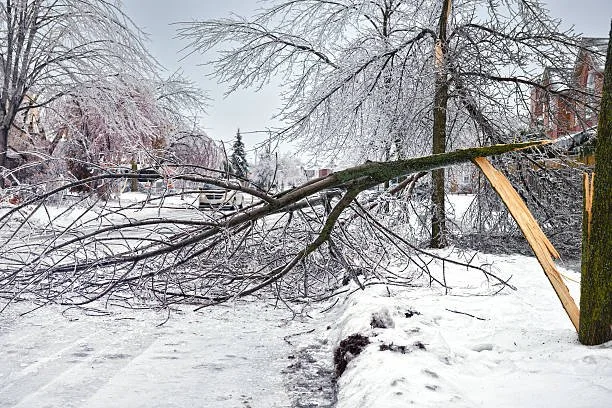
How to Spot and Remove Winter Damaged Branches
Winter on the Seacoast can leave trees and shrubs with cracked, broken, or lifeless branches. Learning how to spot and properly remove winter damaged wood helps protect plant health, improve structure, and encourage strong spring growth in Zone 6b. With timely, professional pruning, your Portsmouth, Rye, Exeter, or North Hampton landscape can recover beautifully for the season ahead.

Late Winter Hedge Pruning: Setting the Stage for Dense Growth
Late winter is the ideal time to prune hedges for dense, healthy growth in Seacoast landscapes. This article explains how proper timing, thoughtful shaping, and Zone 6b–specific care help hedges fill in evenly and stay strong across New Hampshire and Southern Maine.
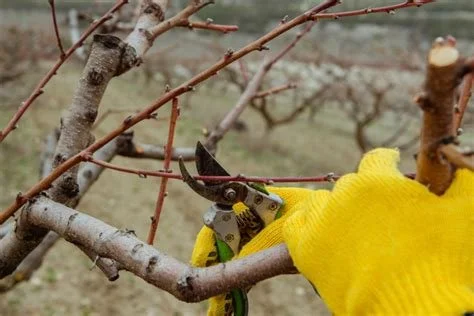
Fruit Tree Pruning for Maximum Bloom and Fruit Set
Understanding how and when your fruit trees set their buds is key to maximizing bloom and fruit set in Zone 6b. Apples and pears rely on last year’s growth, while peaches and plums fruit on younger wood, making proper annual pruning essential. With the right balance of thinning and shaping, your Seacoast orchard can produce healthier blossoms and more consistent harvests year after year.
Why Dormant Pruning Heals Faster: The Science Behind Winter Cuts
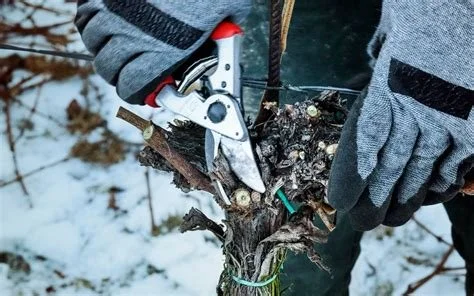
Expert Pruning provides precise, plant-specific pruning services for residential properties across the New Hampshire Seacoast and southern Maine. We focus on structural integrity, plant health, proper seasonal timing, and long-term landscape performance rather than quick trimming. Our services include shrub rejuvenation, hedge refinement, small tree structural pruning, size Dormant pruning isn’t convenient — it’s biologically strategic. In January and February, plants are in conservation mode, pathogen pressure is low, and spring growth delivers the strongest healing response of the year. Once you understand the mechanism, winter becomes the most confident time to cut.
Pruning Safety in Winter: Tools, Ladders, and Cold Weather Tips
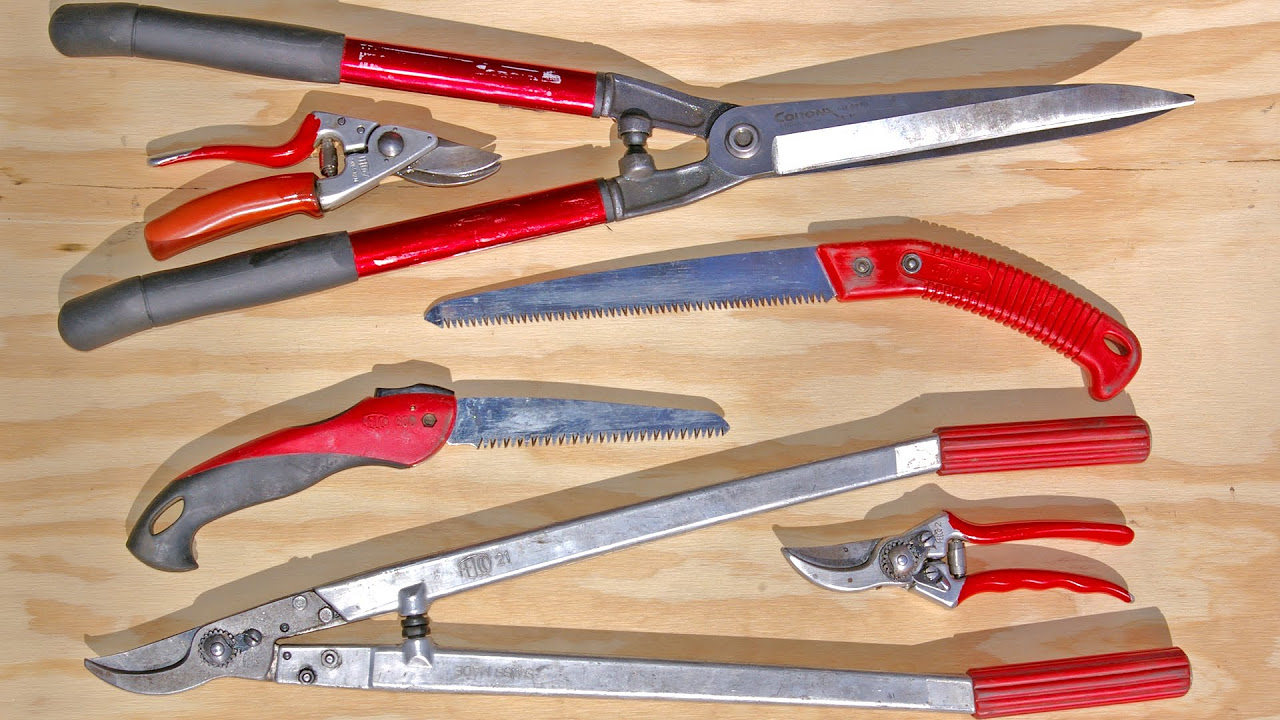
Winter pruning offers important benefits, but it also brings added safety risks. This article covers practical cold weather pruning tips, including tool selection, ladder safety, and how to protect both yourself and your plants while caring for trees and shrubs in Zone 6b across the Seacoast of New Hampshire and Southern Maine.
The Science Behind Sap Flow: Why February Pruning Matters
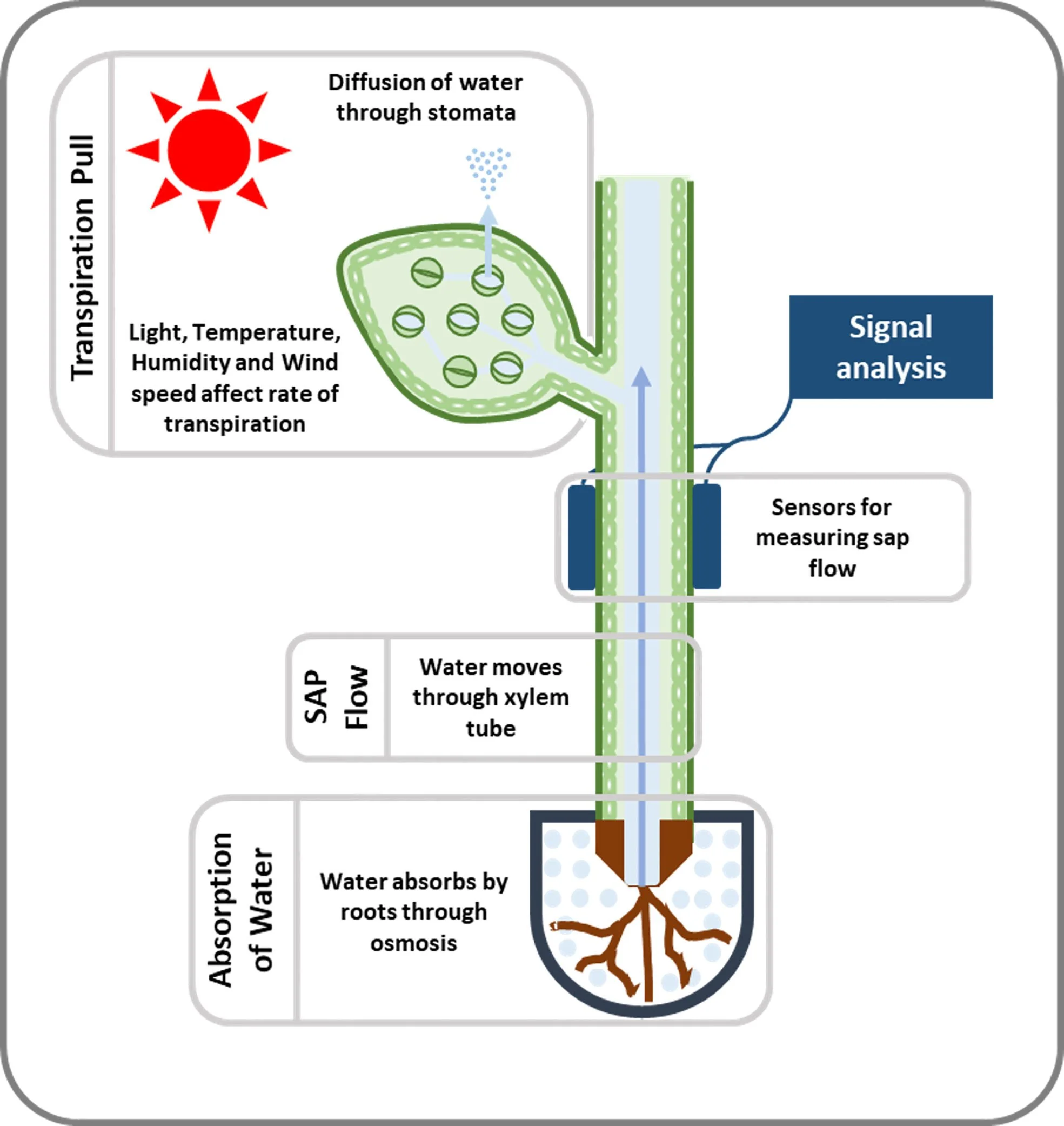
February is more than a quiet month in the garden. It’s a critical window for pruning that supports healthy sap flow, stronger structure, and better spring growth. In this post, a Master Gardener explains why late winter pruning matters in the Seacoast’s Zone 6b climate and how proper timing sets trees and shrubs up for long term health and beauty across New Hampshire and Southern Maine.

The Science of Dormancy: Why Plants React Differently to Fall Pruning
As fall settles in along the New Hampshire Seacoast, understanding how plants enter dormancy is key to making the right pruning choices. Some species slow down quickly, while others remain semi-active through early winter—especially in coastal towns like Rye and Portsmouth.

How to Safely Prune Trees Near Power Lines or Homes
Trees add beauty and value to your property—but when branches grow too close to power lines or rooftops, they can quickly become hazards. Along the New Hampshire Seacoast, coastal winds and storms make proper structural pruning essential for both safety and tree health.

Coastal Wind and Salt Spray: Pruning Tips for Rye & Portsmouth Properties
Living and gardening along New Hampshire’s Seacoast—especially in towns like Rye, Portsmouth, and North Hampton—means balancing beauty with the challenges of ocean air, salt spray, and steady coastal winds. These natural forces can stress trees and shrubs, but with the right pruning techniques, your garden can thrive year after year.

Shrubs to Rejuvenate With Hard Pruning in November
November is the perfect time to renew tired, overgrown shrubs on the Seacoast. As plants enter dormancy, hard pruning — or rejuvenation pruning — helps restore shape, encourage strong new growth, and improve flowering for next spring. Learn which shrubs, from spirea and lilac to hydrangea and dogwood, respond best to a deep cutback in coastal towns like Portsmouth, Rye, and Exeter.

Structural Pruning for Ornamental Trees Before Winter Snow
October is the perfect time to prepare ornamental trees for winter on the New Hampshire Seacoast. Structural pruning now helps prevent snow and wind damage, strengthens branch unions, and preserves natural form through the harsh coastal season. Learn how selective pruning, proper timing, and simple aftercare can keep your trees balanced, resilient, and ready to flourish again in spring.

What Is Dormant Pruning? A Beginner’s Guide
Winter is the perfect time to prune for healthier, stronger plants. In the Seacoast’s Zone 6b climate, dormant pruning helps trees and shrubs recover from coastal winds, salt exposure, and uneven growth. Learn when and how to prune during this natural rest period to shape your landscape, reduce disease risk, and prepare your garden in Portsmouth, Rye, and Exeter for a vibrant spring.

End-of-Season Hedge Maintenance: Keeping Privacy Through Winter
As fall settles across the New Hampshire Seacoast, hedges that offered privacy and structure all summer need one last round of care. End-of-season pruning helps them stay strong against coastal winds, heavy snow, and salt exposure common in towns like Portsmouth, Rye, and Exeter.

How to Thin Overgrown Lilacs Without Losing Next Year’s Blooms
Overgrown lilacs can lose their shape and bloom power, but with careful thinning and the right timing, they can be restored without sacrificing next year’s flowers. This October pruning guide explains when and how to remove old canes, improve airflow, and rejuvenate lilacs in New Hampshire’s coastal Zone 6b climate. Learn how thoughtful, selective pruning keeps your shrubs healthy, fragrant, and full of blossoms year after year.