

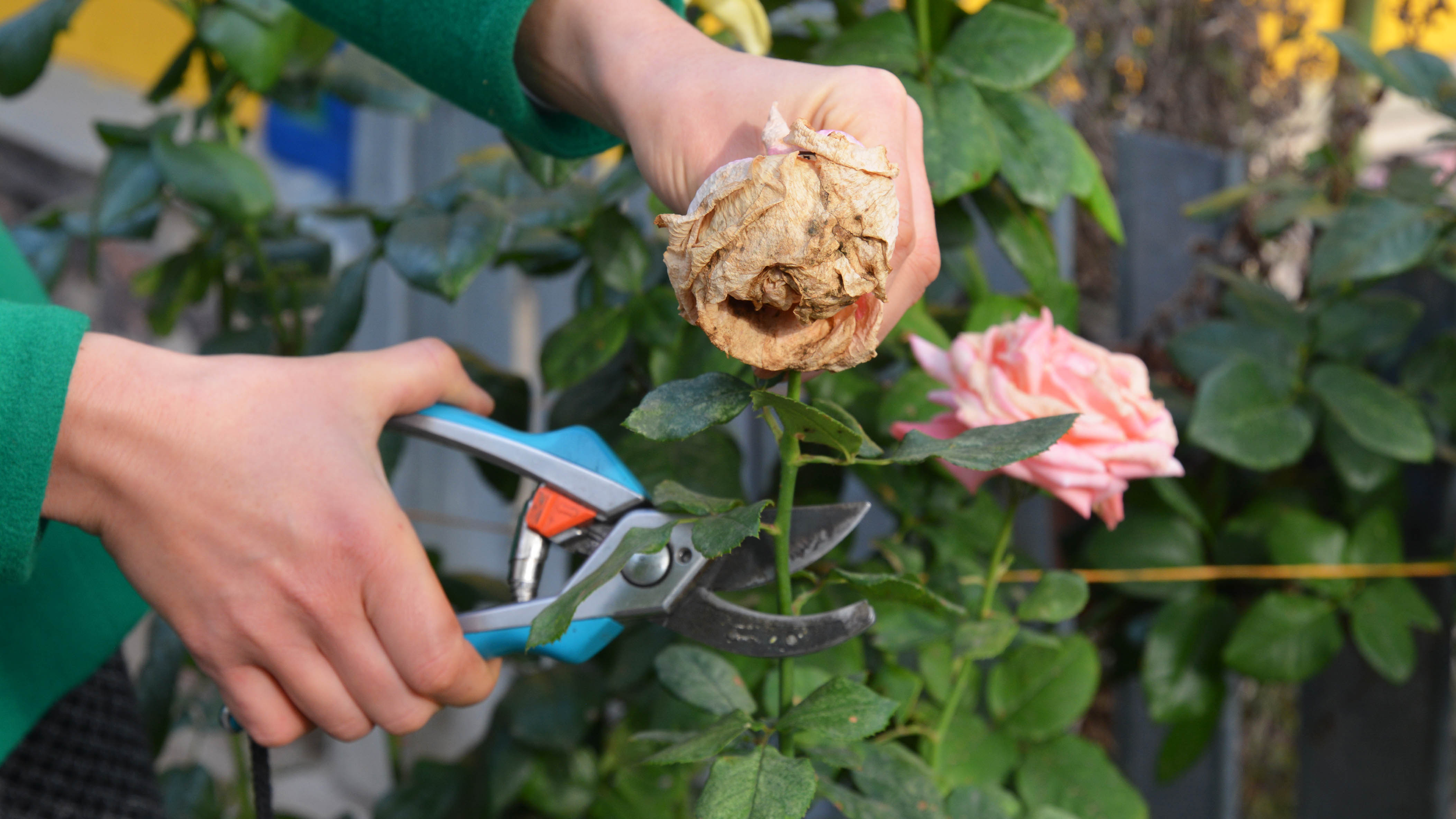
When and How to Deadhead Roses in Late Spring
Deadheading roses at the right moment keeps your plants blooming all season long. Here is what every Seacoast gardener should know about timing, the correct cut, and why this one small habit makes an enormous difference in how your roses perform from June through September.
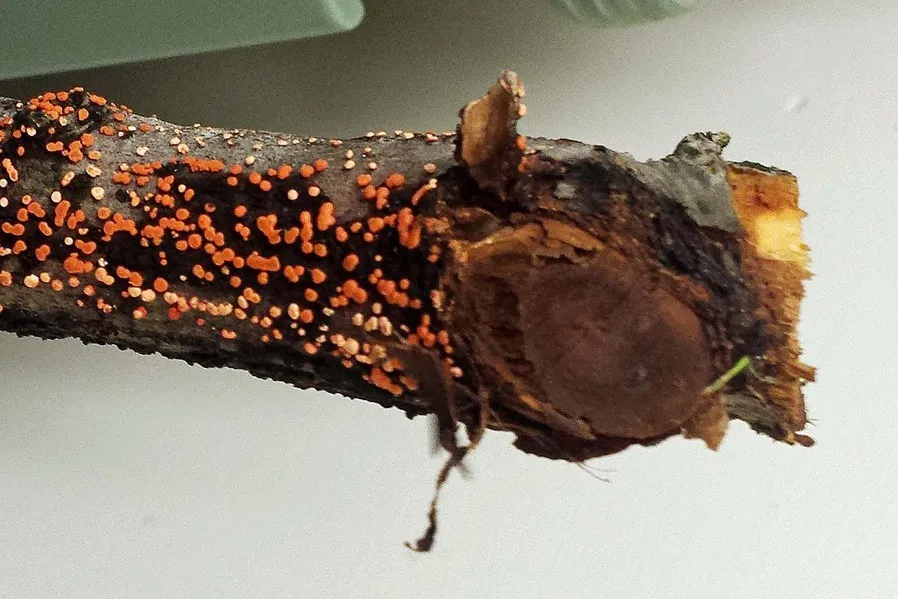
Nectria Canker: How to Recognize It and Why the Pruning Cut Is the Only Real Solution
If you have noticed sunken, discolored patches on the bark of your maple or dogwood, with small orange or red pustules scattered across the dead tissue, you are likely looking at Nectria canker. It is one of the more common and underdiagnosed bark diseases in Seacoast gardens, and it spreads quietly through stressed trees before most homeowners realize anything is wrong. The pruning cut is the only tool that actually works, and timing it correctly makes all the difference.
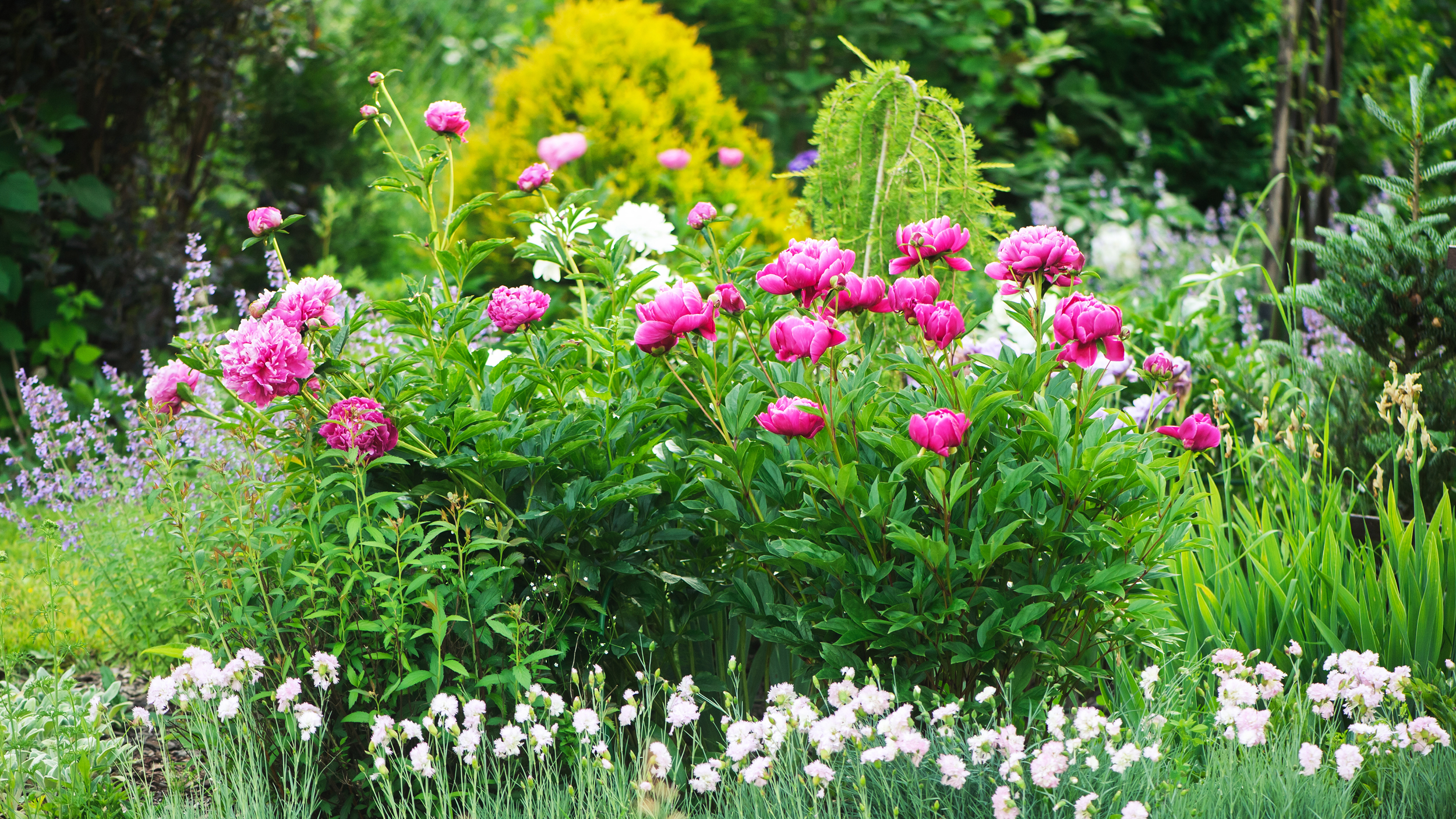
How to Prune Rhododendrons After Bloom on the NH Seacoast
The weeks immediately after your rhododendrons finish blooming are the most important pruning window of the entire year, and missing it by even a few weeks can cost you next season's flowers. From deadheading spent trusses to shaping for a natural silhouette and renovating overgrown specimens over multiple seasons, this guide walks Stratham homeowners through every step of post-bloom rhododendron pruning with the timing, technique, and plant biology that make the difference between a shrub that blooms reliably year after year and one that quietly underperforms.
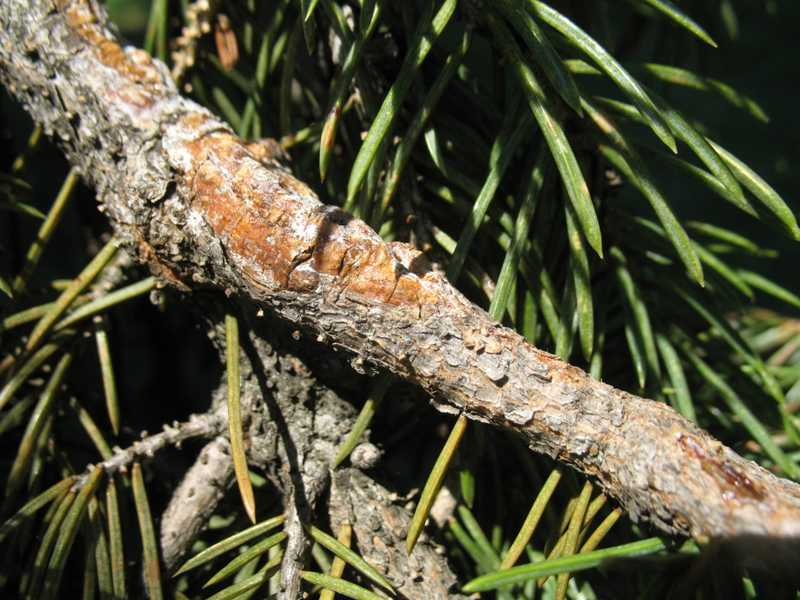
Cytospora Canker on Spruce Trees: Why Pruning Is the Only Answer | Expert Pruning NH
If the lower branches of your spruce tree are weeping amber resin and turning brown from the trunk outward, Cytospora canker is likely the cause. It is one of the most common and destructive diseases affecting spruce trees on the Seacoast, and there is no spray treatment that will cure it. The only effective tool is a well-timed pruning cut made back to healthy wood before summer heat stress drives the disease deeper into the tree.
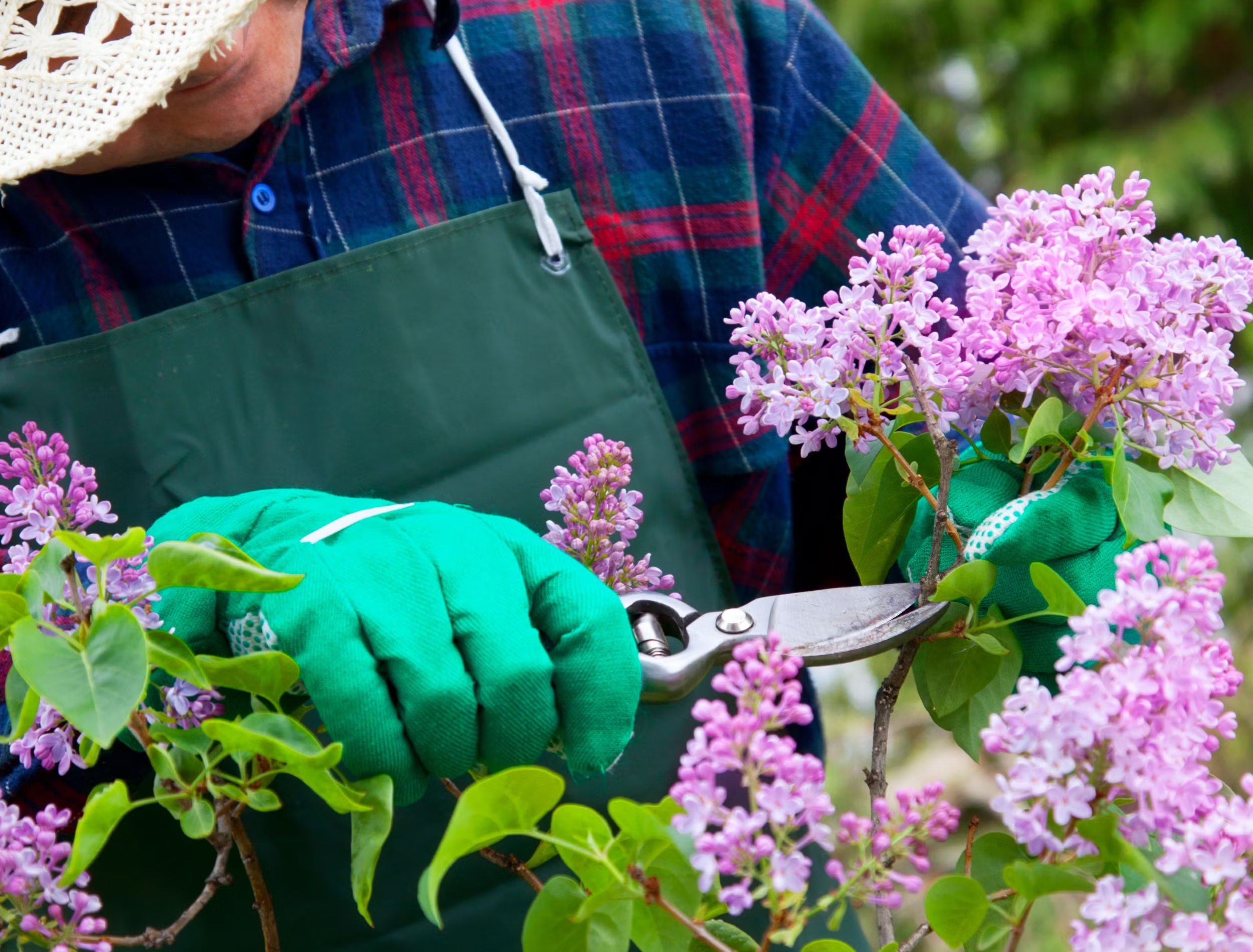
Pruning Lilacs in Early Spring: Dos and Don’ts
Lilacs are a classic spring shrub across the New Hampshire Seacoast, but improper pruning can easily reduce their blooms. Understanding when and how to prune helps maintain healthy plants and abundant flowers year after year. This guide explains the key dos and don’ts for caring for lilacs in Portsmouth, Rye, Exeter, and nearby Zone 6b communities.
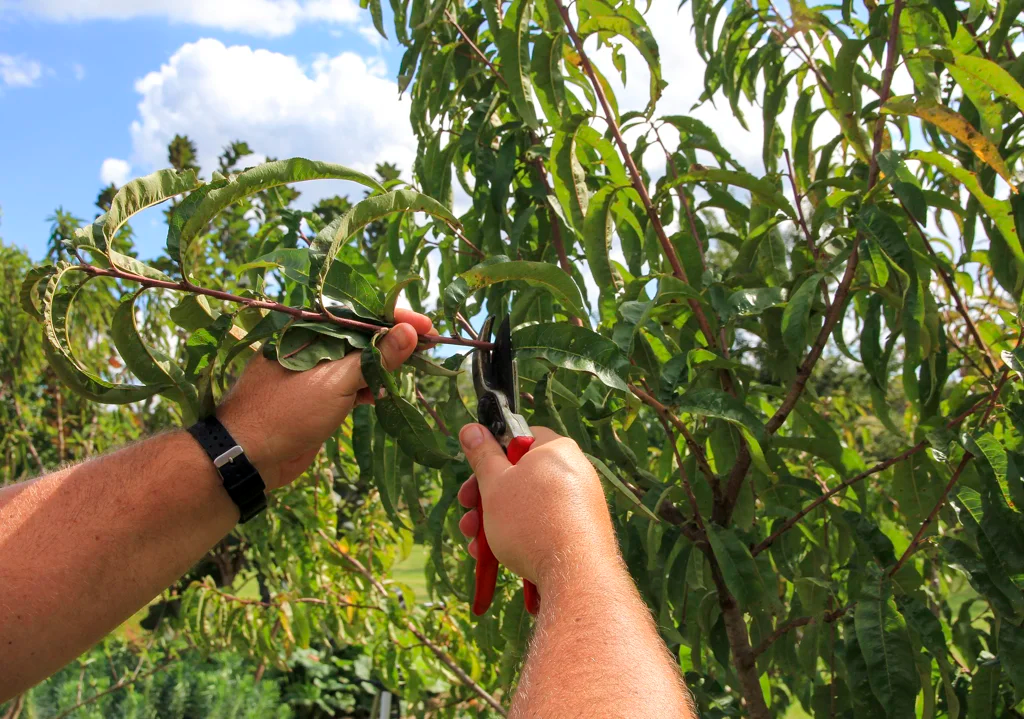
How to Prune Fruit Trees After Bloom for Healthier Crops
The weeks just after bloom are one of the most valuable — and most overlooked — windows in the fruit tree calendar. Learn how post-bloom pruning, smart fruit thinning, and a few targeted cuts in late May can improve your harvest, strengthen your tree's structure, and set up a healthier, more productive season from root to canopy.
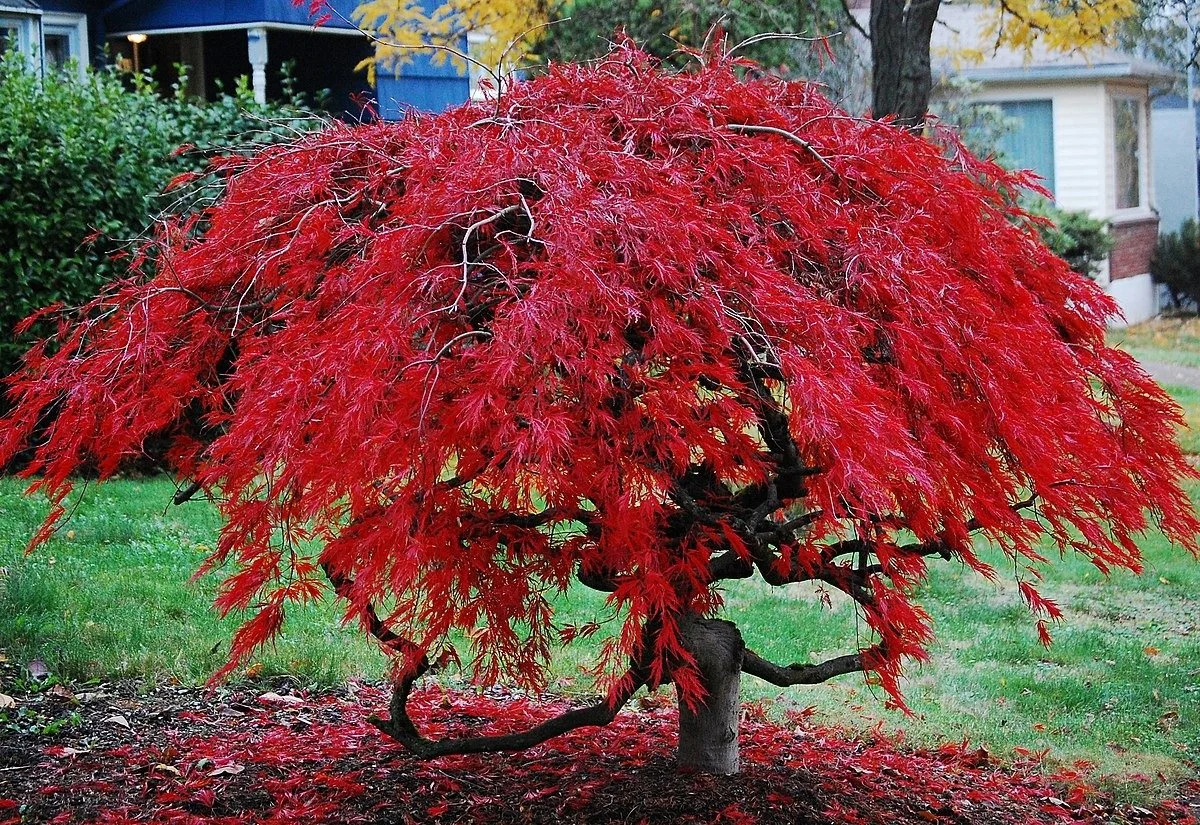
How to Prune Ornamental Maples Without Stressing Them
Ornamental maples bring elegance and structure to Seacoast landscapes, but improper pruning can easily stress these sensitive trees. This article explains how correct timing, gentle techniques, and an understanding of Zone 6b conditions help ornamental maples stay healthy, balanced, and beautiful across New Hampshire and Southern Maine.
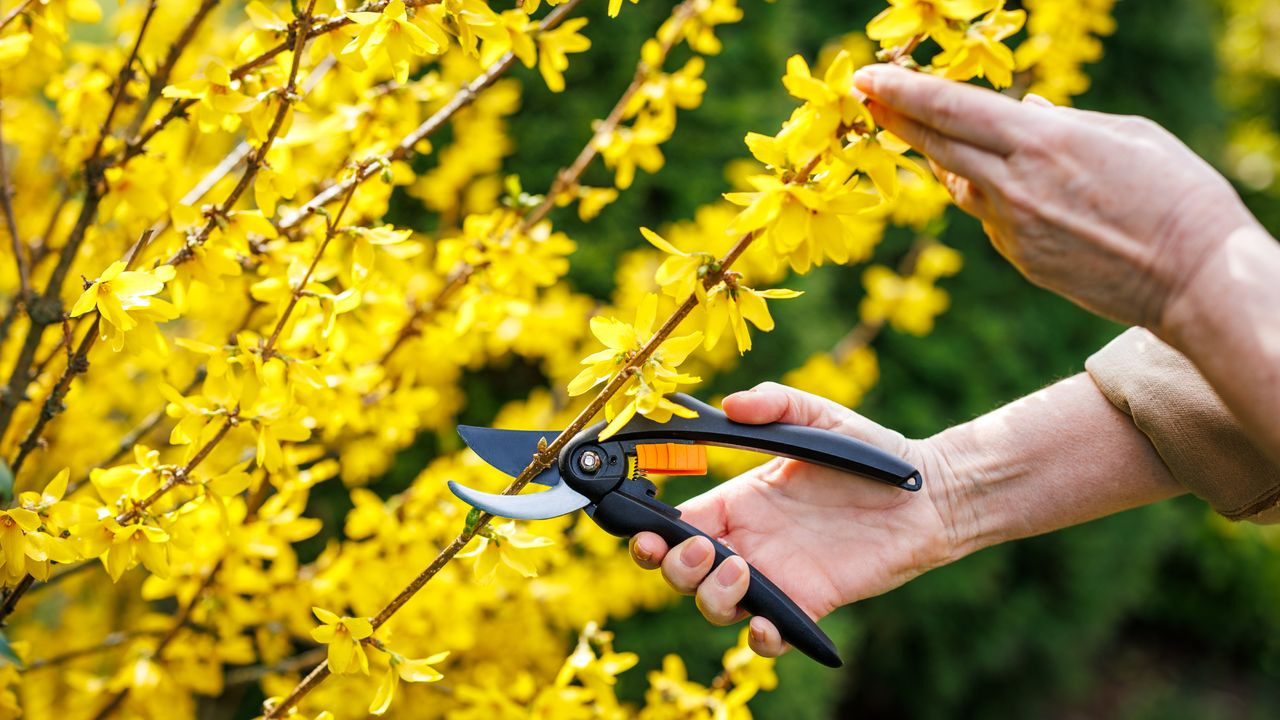
Pruning Forsythia for Shape and Longevity in Kittery, Maine
Forsythia is one of the most recognizable signs of spring in Kittery, Maine — and one of the most frequently pruned at exactly the wrong time. Learn the right moment to cut, how to restore an overgrown shrub, and how to keep yours blooming generously for decades.

Pruning Forsythia: Setting the Stage for a Better Spring Bloom
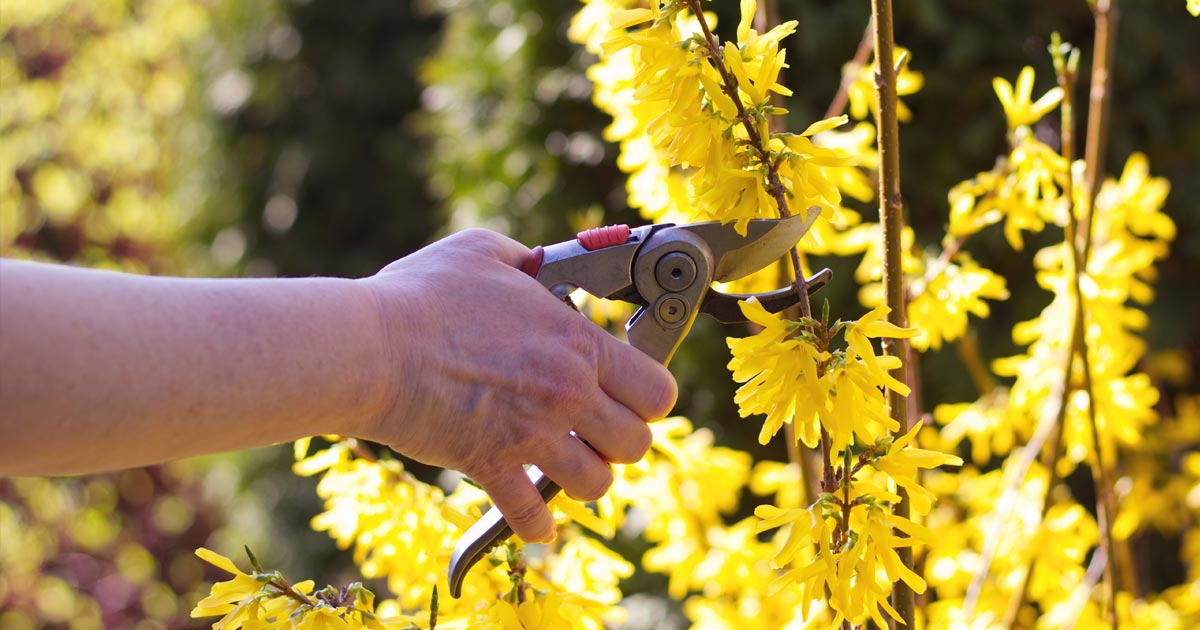
Bright yellow forsythia blooms are one of the first signs of spring on the Seacoast — but a full, vibrant display starts with proper pruning. Learn when and how to prune your forsythia to keep it healthy, balanced, and bursting with blooms each year. This guide shares expert timing, techniques, and care tips tailored for gardens in Portsmouth, Rye, Exeter, and beyond.
How to Prune Forsythia for Bigger BloomsExpert Pruning
Forsythia is one of the first bright signs of spring across the New Hampshire Seacoast, but proper pruning is the key to achieving bigger, more vibrant blooms. Because forsythia flowers on old wood, timing and technique matter. This guide explains how homeowners in Portsmouth, Rye, Exeter, and nearby Zone 6b communities can prune forsythia correctly for stronger growth and more spectacular spring color.
Spring Safety: Sanitizing Tools to Prevent Disease Spread
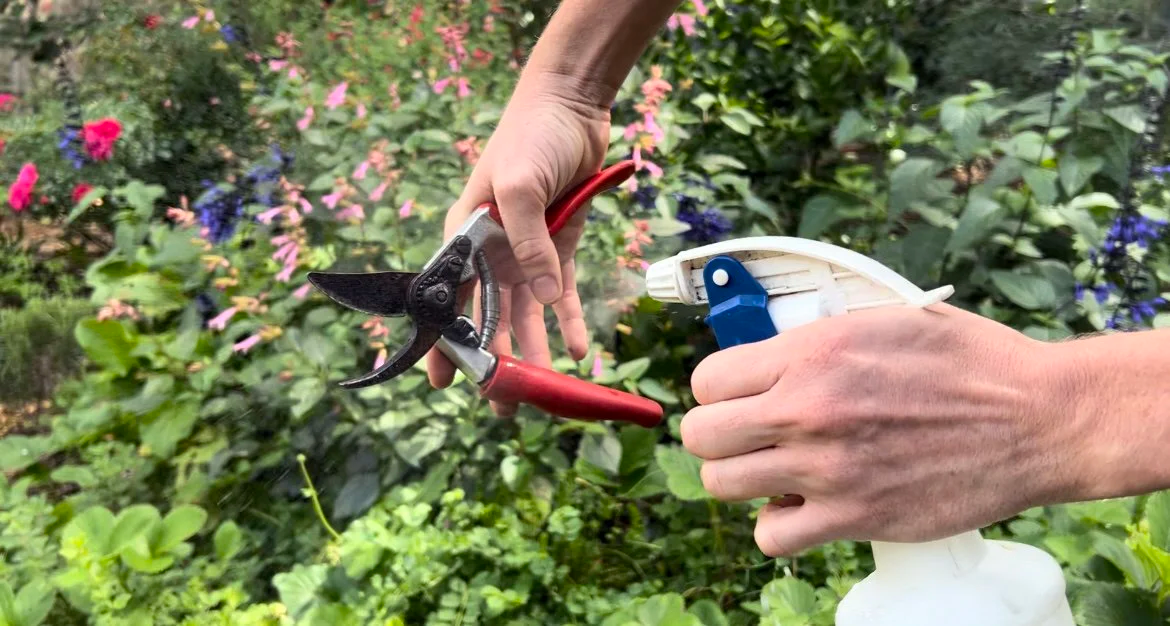
A dirty blade can do more damage than a missed pruning altogether — and most gardeners never realize it. Learn which sanitizing solutions actually work, when to use them during an active pruning session, and why clean, sharp tools are the single most underrated habit in a healthy Seacoast garden.

How to Prune Early-Spring Flowering Shrubs After Bloom
Forsythia, lilac, and rhododendron all share one critical pruning rule — wait until after bloom. Miss that window and you will be waiting a full year to try again. Learn exactly when to cut, how much to remove, and how to set your spring shrubs up for their best season yet.
Pruning Shrub Roses for a Longer Blooming Season in the New Hampshire Seacoast
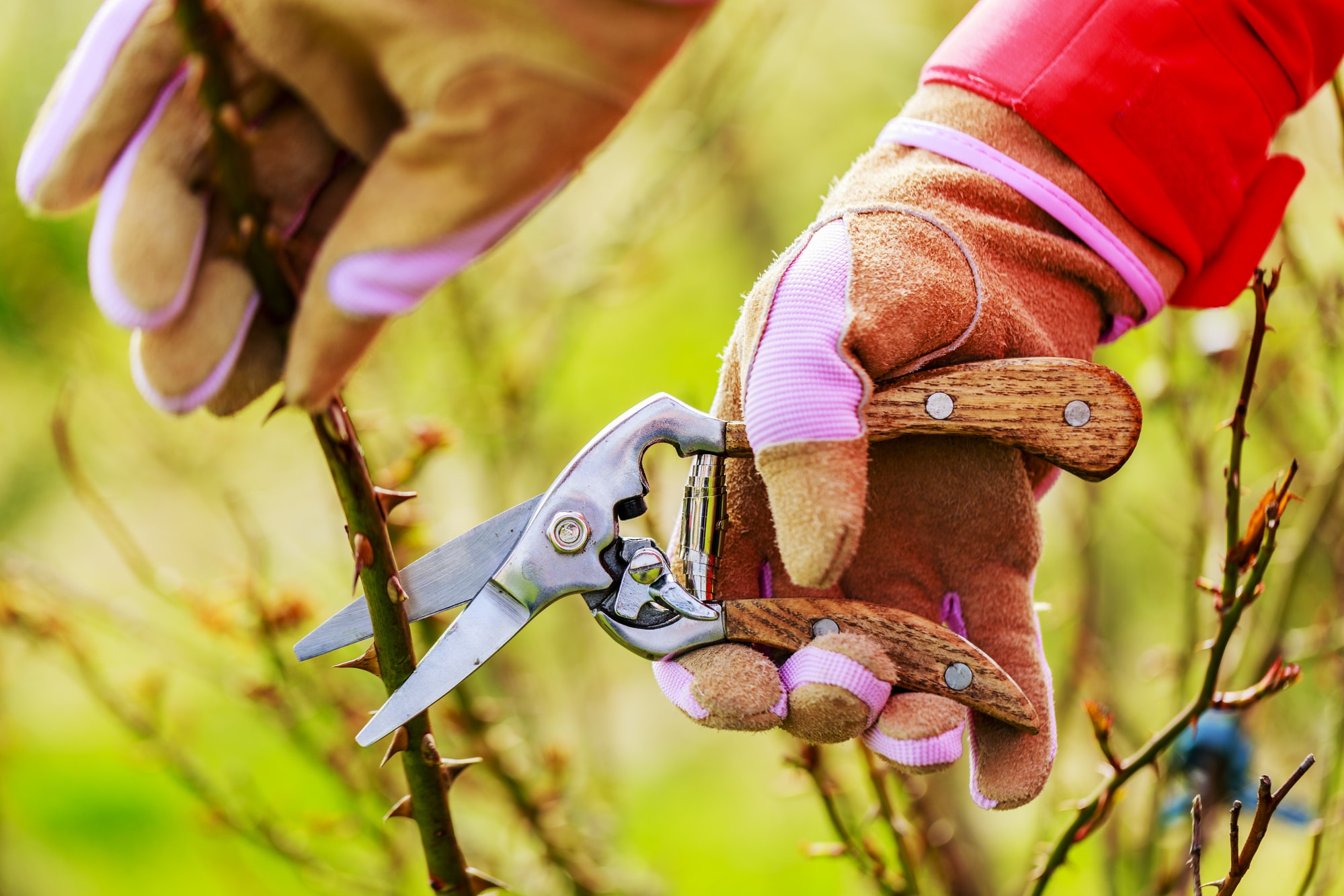
Proper pruning is the key to helping shrub roses bloom longer throughout the growing season in the New Hampshire Seacoast. By removing old wood, improving airflow, and shaping plants at the right time in early spring, gardeners can encourage stronger growth and repeat blooms. This guide shares practical pruning tips for homeowners in Portsmouth, Rye, Exeter, and surrounding Zone 6b communities.

April Pruning Guide: Kickstarting the Growing Season
April on the Seacoast moves fast — and the difference between a well-timed pruning cut and a mistimed one can shape how your garden looks for the entire season. Learn which plants are ready to cut now, which ones need to wait, and how to make every cut count.
Tools for Fall Pruning: Hand Pruners vs. Loppers vs. Saws
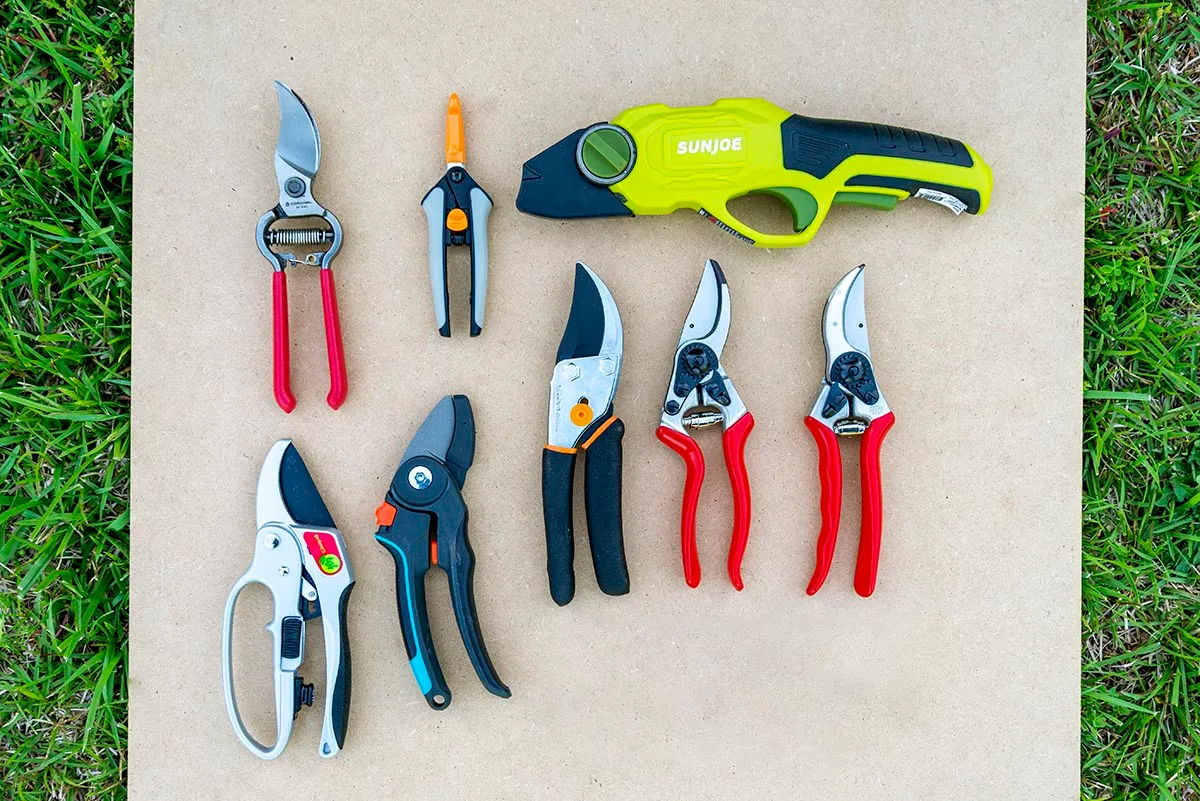
Fall is the perfect time to tidy up trees and shrubs before winter sets in—but choosing the right pruning tool makes all the difference. From precision hand pruners to powerful loppers and saws, each tool serves a unique purpose in keeping your landscape healthy and well-shaped through the cold months.
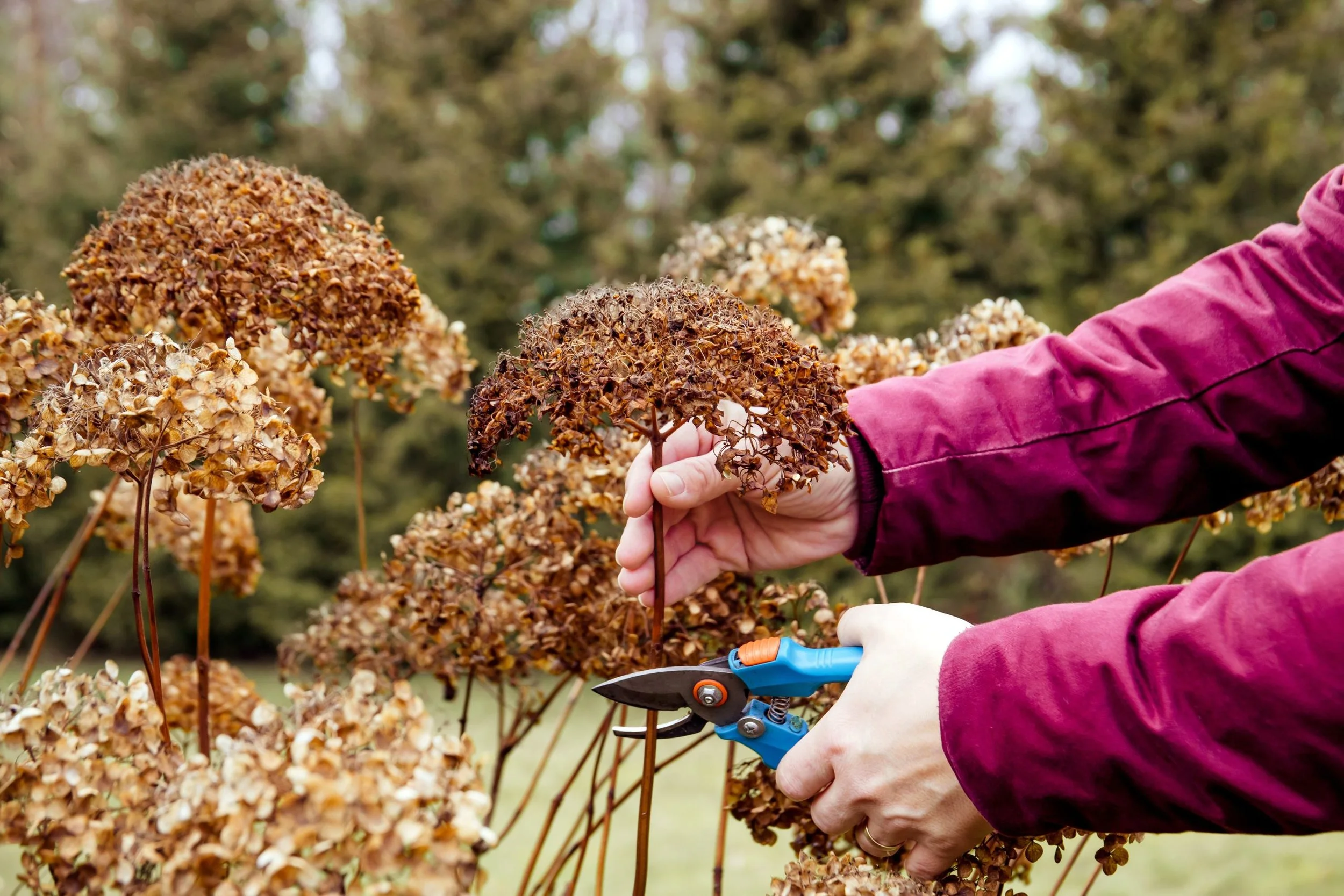
Prune Your Limelight Hydrangeas the Right Way for Strong Growth
Limelight hydrangeas are one of the most rewarding shrubs in a Seacoast garden — but only when they're pruned at the right time, in the right way. Learn how a simple late-winter cutback can transform a tired, floppy plant into a sturdy, bloom-covered showstopper, and why the new-wood habit of Hydrangea paniculata makes all the difference.
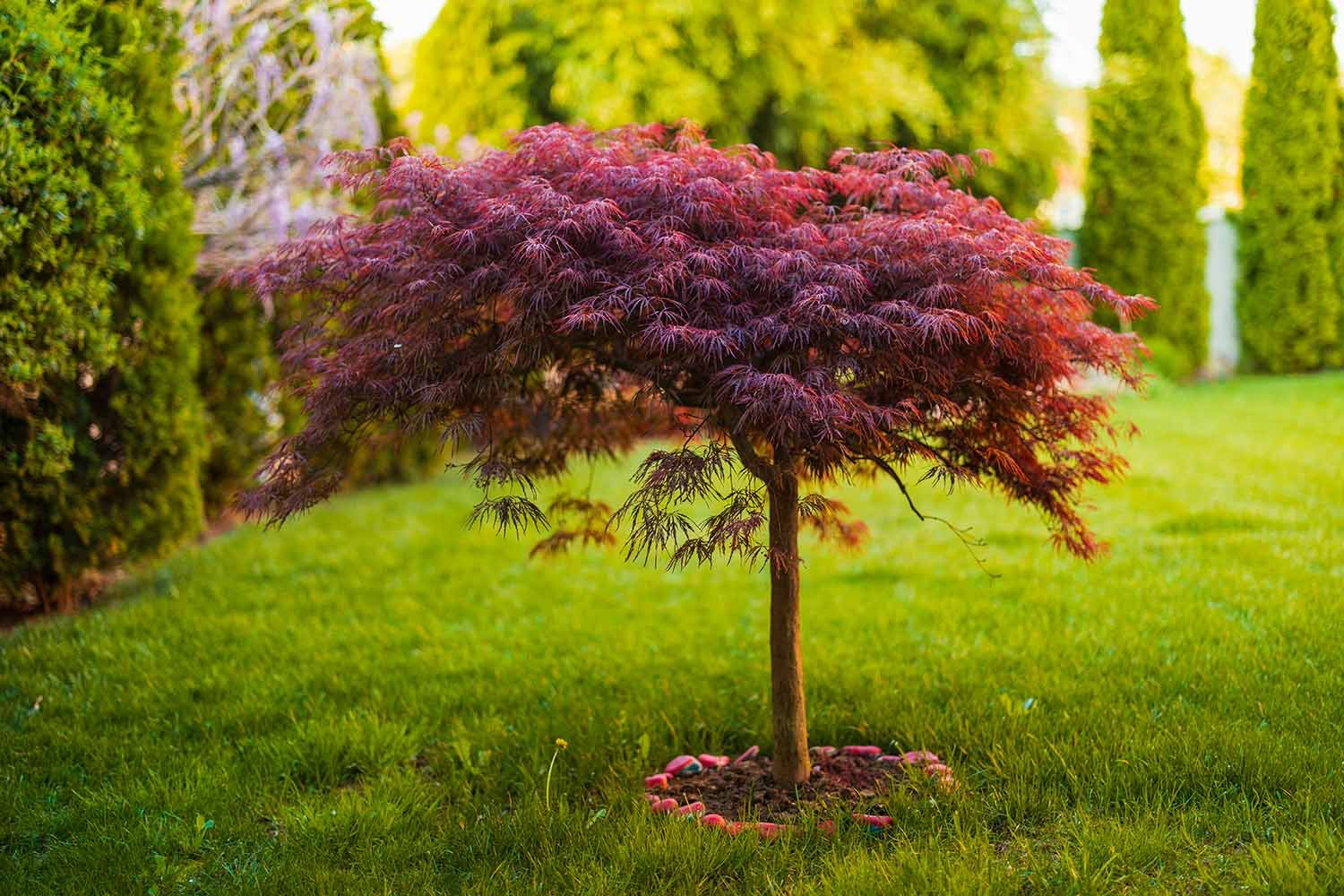
Ornamental Tree Pruning: Shaping Before Bud Break
Early spring is the ideal time to prune ornamental trees along the New Hampshire Seacoast. Before bud break in Zone 6b, careful pruning helps shape structure, remove damaged branches, and guide healthy new growth. This guide explains how thoughtful pruning keeps ornamental trees in Portsmouth, Rye, Exeter, and nearby towns strong, balanced, and beautiful for years to come.
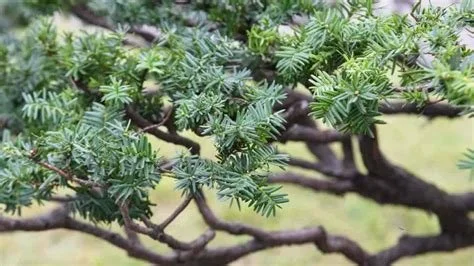
How to Refresh Overgrown Hedges Before Spring Growth
Late winter is the ideal time to refresh overgrown hedges across the New Hampshire Seacoast. With shrubs still dormant in Zone 6b, thoughtful pruning can restore structure, improve airflow, and encourage stronger spring growth. This guide shares practical steps for homeowners in Portsmouth, Rye, Exeter, and nearby towns to reshape hedges and prepare their landscapes for the growing season.
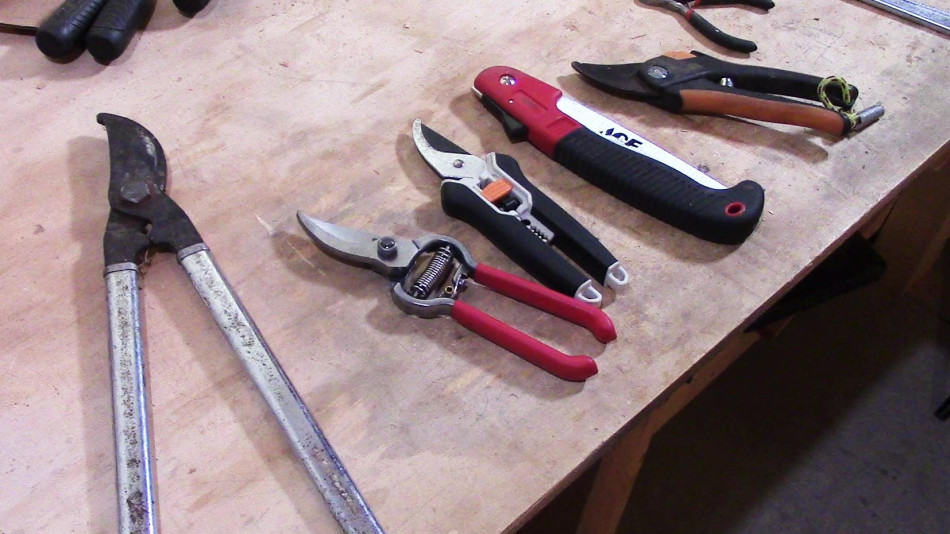
Top Tools for Late Winter Pruning: What Every Gardener Needs
Late winter is the perfect time to shape and strengthen your landscape, but success starts with the right tools. From sharp hand pruners and loppers to pruning saws and proper safety gear, having quality equipment ensures clean cuts and healthier shrubs and trees in Zone 6b. With the right preparation, Seacoast gardens in Portsmouth, Rye, Exeter, and North Hampton can enter spring strong and ready to thrive.
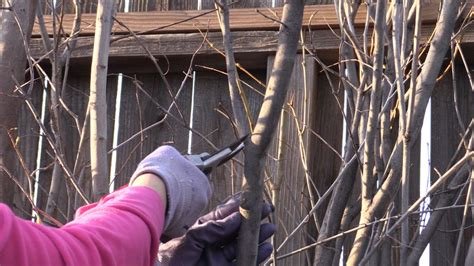
The Role of Heading Cuts vs. Thinning Cuts in Shrub Health
Understanding the difference between heading cuts and thinning cuts is essential for maintaining healthy, well structured shrubs. While heading cuts encourage dense new growth, thinning cuts improve airflow, light penetration, and overall plant strength. Using the right technique at the right time helps Seacoast shrubs thrive season after season.